



Wissen zu Frauengesundheit
In unserem fenou Magazin Wissen findest du spannende und informative Artikel rund um das Thema Frauengesundheit. Lerne mehr über deine Hormone und mögliche Beschwerden und erhalte die besten Tipps, Erfahrungsberichte und Ideen für deine Gesundheit!
Von Frauen für Frauen, von Expertinnen für Frauengesundheit für dich!
Wähle deinen Themenbereich:
Menopause
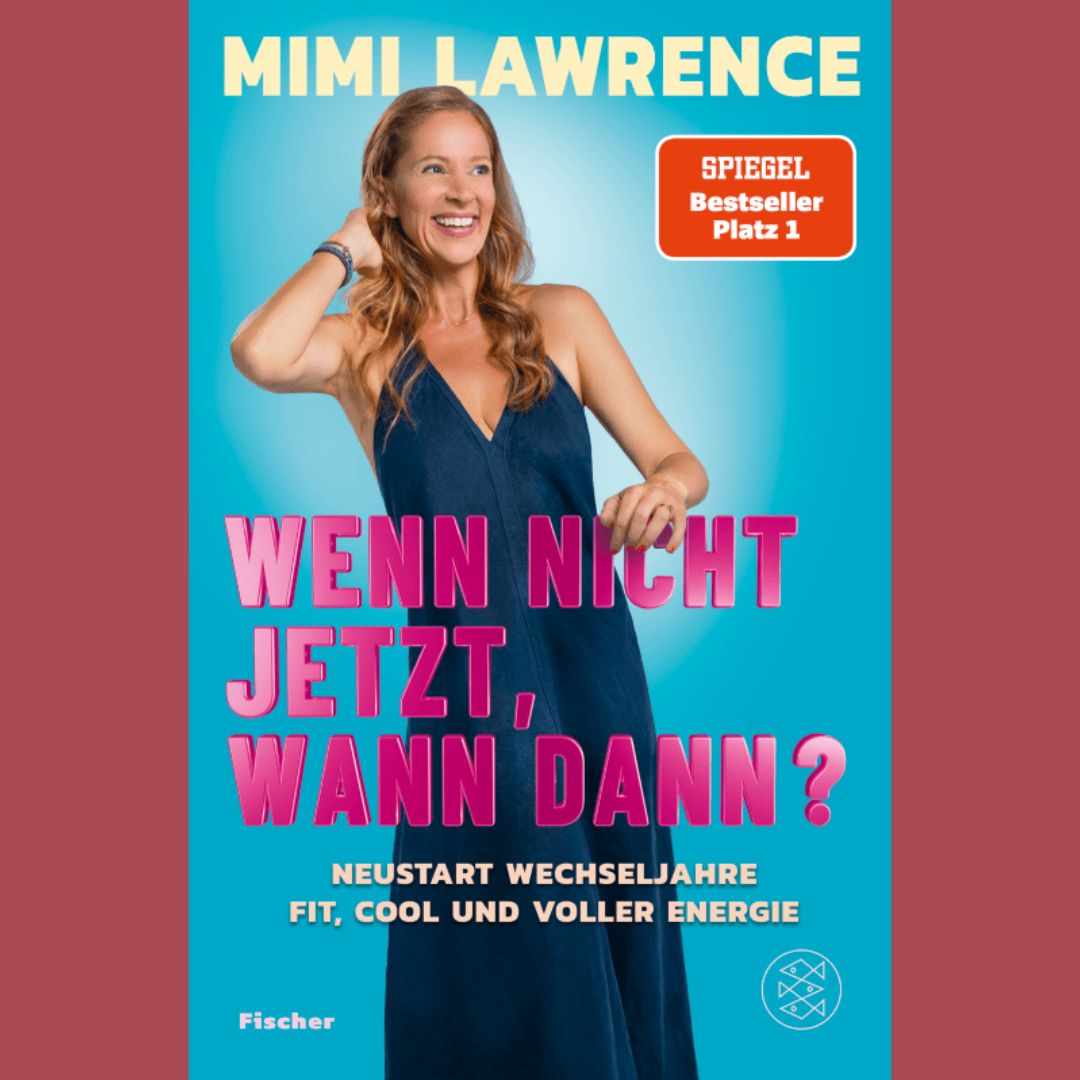
"Wenn nicht jetzt, wann dann?" von Mimi Lawrence
13. August 2025
Buchrezension: Mimi Lawrence' Wechseljahre-Ratgeber überzeugt mit positiver Einstellung, Fachwissen & praktischen Tipps. Spiegel-Bestseller im Test.
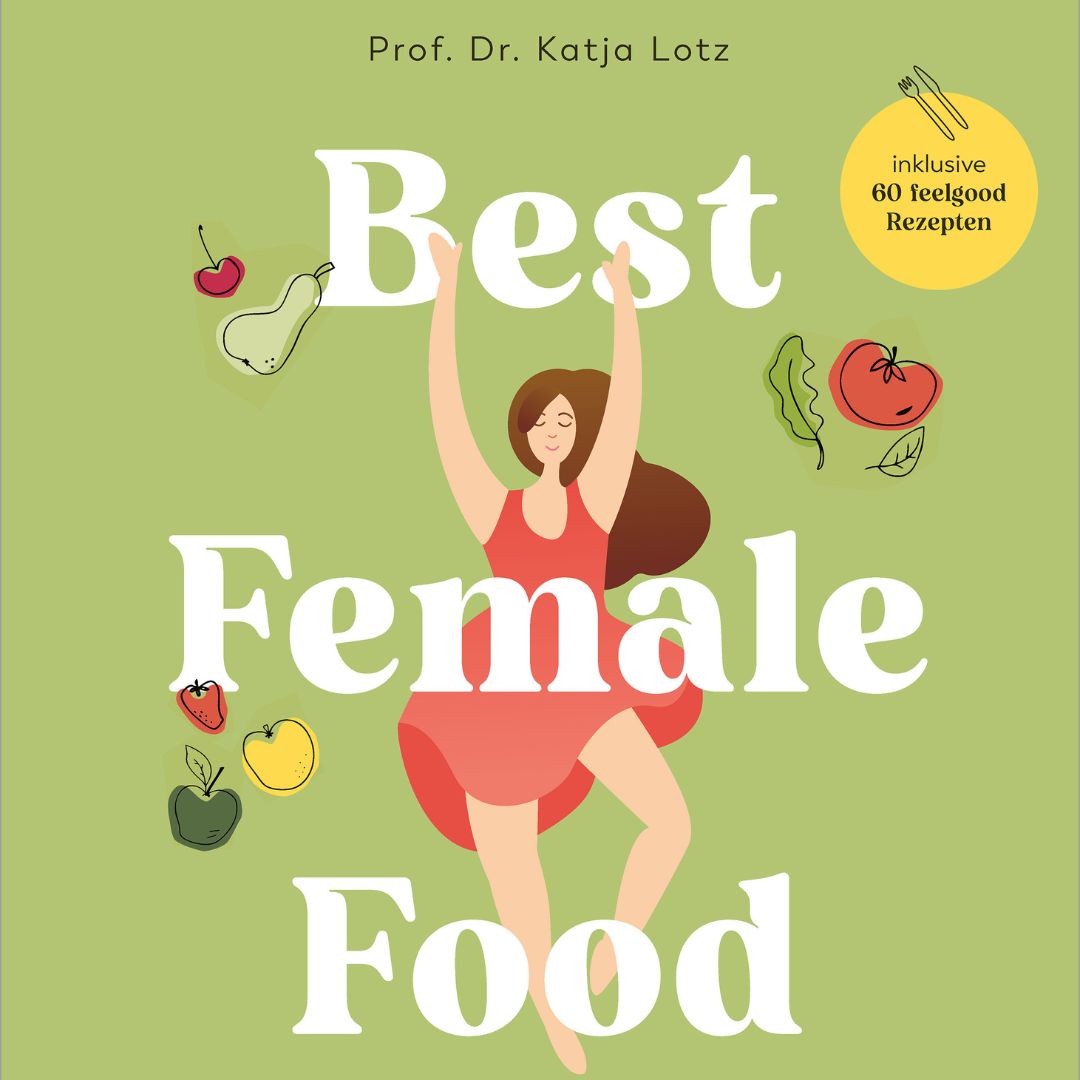
Expert interview: Prof.DrKatja Lotz
11. July 2025
Healthy, slim, and full of energy through menopause – sounds too good to be true? It isn't, because with a tailored, personalized diet, you too can improve your quality of life during this phase. An expert explains how this can work in an easily understandable, scientifically sound book. Prof.Dr.Katja Lotz. Because we liked the book so much (Read our review hereWe asked Ms. Lotz for an interview – and were not disappointed. With appreciation, scientific precision, and practical experience, Ms. Lotz illuminates key topics of nutrition during menopause: energy requirements, exercise, and stress reduction. Ms. Lotz explains why food choices are so crucial.&O represents how enjoyment and pampering are not neglected.

Best female food - interview with Prof.DrKatja Lotz
Professor Lotz and I had a stimulating conversation for 40 minutes. I am presenting an abridged version of her answers.
Dear Ms. Lotz, you are an ecotrophologist and professor of food management, as well as head of studies and research for personalized nutrition. You are considered an expert in this field of research. It is particularly interesting that you started out as a dietician and thus also bring practical experience in nutritional counseling. This is very evident in your book "Best Female Food," where you combine sound nutritional and hormonal knowledge with many practical tips.
Ms. Lotz, what exactly is meant by personalized nutrition?
Personalized nutrition is a concept that considers the individual holistically: their entire social and economic context, as well as learned behaviors from a sociological perspective. This is complemented by a physiological perspective – food intake, digestive capacity, and nutrient metabolism. Furthermore, we take into account the current physical condition, such as bone density, muscle and body fat percentage, blood sugar levels, and lipid metabolism. Additional individual factors include the genome and the microbiome, which in turn are influenced by diet, environment, and stressors, as well as height, weight, and sex. It is therefore a holistic view of the individual from physiological, biochemical, genetic, and sociological perspectives.
Her book is aimed at women going through menopause. What is the connection between personalized nutrition and this phase of life?
The connection to menopause lies in our intensive focus on individualizing nutrition for women during this phase of life: perceiving each woman from a scientific perspective within her own body, with its own unique bodily functions. This includes digestion, declining bone density, decreasing muscle mass with age due to hormonal changes, and altered exercise habits. Added to this is the social aspect: being involved in family life, children gradually leaving home, caring for aging parents, and professional challenges. And, of course, there's the hormonal status: these hormonal changes are not continuous but rather cyclical. This presents a significant opportunity for personalized nutrition, as we are working with a group of people who are in a similar situation but perceive it differently.
What would you recommend to women going through menopause to get started with personalized nutrition? Do you have a practical tip that's easy to implement?
My most important tip is to first consider: "How much exercise do I get?" and second: "How much energy do I actually need?" It's crucial to be very honest with yourself. Do I get enough exercise, and what are my energy requirements? This is an important topic because when we look at the nutritional information for processed foods, it often states an average energy requirement of 2000 kilocalories. This is no longer accurate for women after a certain age, especially if they are shorter or sit all day. In these cases, the energy requirement is more likely between 1600 and 1800 kcal. It's important to address this because if I eat the same thing my whole life, I will gain weight as my energy expenditure decreases. The older I get, the less energy I need due to the natural aging process. From the age of 30 onward, cell division slows down, which also results in a decrease in energy expenditure. We also need to consider that certain foods should be treated as luxuries. An ice cream or a pizza in the evening are luxuries – that's how we should view them, even if they might not be considered a luxury in economic terms. For our own bodies, however, they are a luxury.
Yes, I understand. You can also make a nice, enjoyable experience out of it.
That's precisely the core message of my book. I want women to realize that food is about enjoyment, not just nutrition. The most important thing is to engage with this concept. If I still want to eat certain food groups, like a pizza in the evening, then it's important to balance it out the next day and focus on lower-energy foods. You should really learn which food groups are particularly energy-dense. I never say that foods are bad or unhealthy – those are terms I don't use. Every food has specific properties. It might be perfectly fine to treat yourself to a nice pizza with a glass of red wine in the evening – which I don't recommend from a nutritional standpoint. Alcohol isn't generally good for your health, and neither are too many carbohydrates in the evening. But you shouldn't feel guilty about it; instead, you should balance it out in the following days. That's the approach I've always used.

You also recommend meal prep in your book. We ourselves are big fans of meal prep and have focused entirely on meal prep recipes in our book, which will be published in September. Nevertheless, one often hears criticism regarding reheating food, using the microwave, or potential nutrient loss. What are your thoughts on this?
Here we simply have to weigh the options. We would all love to cook fresh meals every day, shop for fresh produce, and ideally bring vegetables straight from our own garden to our plates. I'd like to dispel this romanticized notion. There are people who have the privilege of eating that way and maintaining such a lifestyle. But very few people have that privilege today. From a scientific perspective, it's true that we should consume as much fresh food as possible. The loss of nutrients through storage, freezing, and reheating is undeniable. However, we want to have certain meals on the table, and prepared meals help to reduce the stress of everyday life. Stress is a very bad companion, especially during menopause.Hormonal changes can also lead to depressive moods and a lack of motivation. Adding the daily task of preparing fresh meals to that is very difficult. Meal prep is therefore an essential component in managing this phase of life. One has to accept that nutritional values will change. For me, it's the best alternative to be in control of my food and take charge of what I eat – then I know exactly what's in it.
You mentioned the influence of stress on nutrition and menopause. In your book, you propose a concept for family meals. I really liked that, because I think many women often feel overlooked in this area and wonder how they're supposed to fit everything in when they also have to care for other family members. Could you explain the concept?
Basically, all the recipes in the book can be cooked for the whole family – they're not just for women. These recipes can easily be adapted to the needs of other family members. For adolescents, teenagers, very athletic children, or taller partners, you would increase the protein and carbohydrate content and add more energy-dense foods, such as nuts, seeds, or fish. Essentially, it's about the quantities of food groups and being aware that energy requirements vary at different stages of life and between individual family members. You don't need to start weighing portions – it's better to figure out how much you need and how much others need. Family members can adjust the quantities individually.
Nobody has to cook a meal for themselves, right? It's about adjusting the quantities?
Exactly, it's about adjusting the portion sizes. Not everyone in a family wants to eat the same thing. Look at Middle Eastern or Israeli cuisine: there, various dishes are placed on the table, and then everyone helps themselves and puts the amount they need on their plate. That's the most important thing: women should figure out what portion size is right for them.

Ms. Lotz, some of your or our readers may already be in the midst of menopause. Is it too late to start changing your diet then?
No, it's never too late. I think at every stage of life it's the right decision to seriously consider which foods are good for you and to understand that eating isn't a sin. You can absolutely z.BEating chocolate – you just need to learn to enjoy it and pay attention to the amount.
Your book is about menopause. What happens after that? Does your approach also work in post-menopause, or do women then have to reorient themselves?
This works very well in postmenopausal women. Considering the protein requirement, which increases after age 60, and the associated risk of further muscle loss or bone loss, it's particularly important in postmenopausal women to pay close attention to food choices, maintain a healthy level of physical activity, and keep an eye on energy management. Even after age 60, energy requirements continue to decrease, but we can compensate for this through sufficient exercise. Exercise not only increases muscle mass but also improves memory, cognitive function, and reaction time.
Therefore, especially as a woman, pay attention to food! This has nothing to do with orthorexia, which is an excessive preoccupation with food, but rather with learning what nourishes you. This is an important experience – women learn to perceive themselves anew in their bodies.
There is already a phase in women's lives when they focus intensively on nutrition, namely after the birth of a child, when it comes to feeding children. Unfortunately, this focus then disappears again when it comes to their own diet.
Especially since it's not necessarily viewed positively in society when women engage with their diet...
Yes, always having to justify why you want to eat the way you do to stay healthy and feel good in your own skin... It's also perfectly fine if, as a woman, I feel more comfortable in my own skin with – from a societal perspective – two or three extra kilos. Then it's my right to continue eating that way if the food choices make me feel good. The important thing is to be aware: this is what happens during menopause – fat shifts towards the abdomen. You have to learn to deal with it. So you just wear a different style of pants.
You've mentioned several times that food groups and food choices are important. What are your three most important food recommendations for menopause?
That's a good question, which I won't answer directly. Food choices are completely individual for every woman. My recommendation is to focus on a very high intake of plant-based foods: a wide variety of vegetables and various whole-grain products. Also, high-quality protein: smaller portions of fish such as salmon or certain types of oily fish. When it comes to meat, you should choose leaner options, for example, chicken or turkey.
This means familiarizing yourself with the food groups and then discovering your own favorites within those groups. This can be achieved through a varied diet, a colorful plate, and vibrant, fresh recipes, like those in your book.
Absolutely: Pay attention to your diet and rediscover appreciation for your own body. I believe many women develop a certain distance from their bodies during this phase of life because they can't grasp how much they're changing. Don't stress about it. Pay attention to your energy needs – there's scientific evidence for that.
And if in doubt, you can always ask for help. Thank you for the conversation!

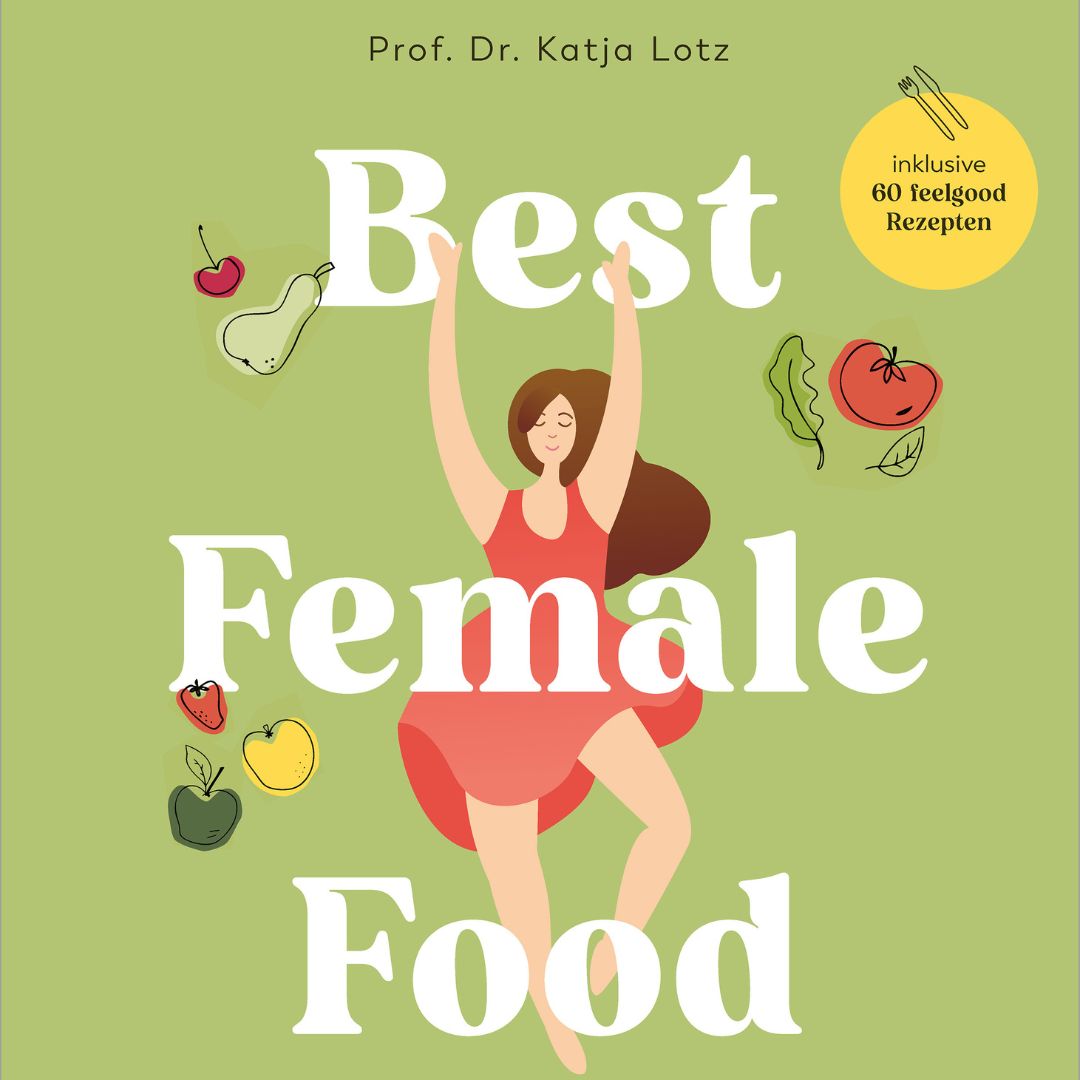
Best female food - How nutrition works during menopause
10. July 2025
The period around age 40 brings new challenges for many menstruating people – especially sudden weight gain despite unchanged habits, which leaves many feeling helpless. "Best female food" by Prof.DrKatja Lotz addresses precisely this issue and shows that women are not helplessly at the mercy of the changes of menopause, but rather have the most important tools for a healthy life in their own hands: nutrition, exercise and stress management.
Best female food: Well nourished from age 40 onwards - The individual nutrition program for women
We love good books that get to the heart of a complex topic, offer practical tips, and even provide mouthwatering recipes. That's why we took a close look at "Best Female Food" and then conducted an interview with the author. You can read about it here.
Woman Prof.DrLotz says: "I think it's the right decision at every stage of life to delve deeply into which foods are good for you and also to understand that eating isn't a sin. You can certainly eat chocolate; you just need to learn to enjoy it and pay attention to the quantity." Sounds good, right? Then I'd like to tell you how I liked the book.

The book's strengths
The author, Prof. Dr. Katja Lotz, a leading expert in personalized nutrition and an experienced dietician, succeeds in explaining complex hormonal relationships in easily understandable language. Nutritional knowledge is conveyed practically and in sufficient depth. The relaxed yet technically accurate language makes the book accessible to laypeople without sacrificing scientific rigor – for me, as a nutritionist, one of the most important aspects!
What also impressed me about the book was its attractive and clear illustrations and checklists, which further enhance understanding. As a mother, I particularly appreciate the simple modular system for families, as well as the practical extras like the seasonal calendar with quality checks and the meal prep instructions (we love them!). It's clear that Ms. Lotz has experience in practical nutritional counseling and knows what helps laypeople!
Balanced approach despite calorie focus
I briefly stumbled over the detailed discussion of energy requirements and calories. Personally, I increasingly try to promote intuitive eating and discourage people from calorie counting, as I believe it makes nutrition too cerebral and theoretical, and not always easily grasped. Ultimately, however, knowledge of energy requirements is part of basic nutritional knowledge, and Ms. Lotz has effectively addressed this with practical example tables. All readers can extract the information relevant to them. Furthermore, she explains... Prof.Lotz Their approach is logical, since energy requirements change with age. If one were to continue eating as usual, weight gain would be inevitable. It is therefore essential to at least be aware that energy requirements change during menopause.
Dietary patterns
The recommendations are based on the officially recommended mixed diet, which might initially deter vegetarians and vegans.However, plant-based foods and alternatives are consistently suggested, and the recipes are predominantly vegetarian or vegan and can easily be veganized. I must confess: the selection of recipes with fresh, varied, and sophisticated dishes made my mouth water—the aesthetically pleasing recipe photos only add to the appeal. As a herbalist, the two-page spread on herbal teas particularly delighted me—it's precisely these kinds of details that can bring joy and variety to everyday eating and raise awareness of how holistically beneficial it is to indulge in good food.
Holistic view
On the positive side, the book goes beyond mere nutrition and the explanation of necessary nutrients, also considering relaxation, enjoyment, and exercise. Ms. Lotz thus takes the whole complex individual into account – there is no more sensible approach to preventing stressful dogmatism.
Notice
One tiny drawback – perhaps just for me – is the use of the term "menopause" synonymously with "change of life." The English term for change of life is menopause, and it's often translated that way. So, using it to mean change of life isn't unusual. Personally, however, I find this usage imprecise and prefer "climacteric" or "change of life." But as you can see, if that's my only, somewhat nerdy criticism, then I really enjoyed the book and would recommend it as a useful guide to dietary changes for women over 40.
Conclusion
"Best Female Food" offers an excellent, clear overview of the hormonal changes around menopause and the appropriate diet for women over 40. The book is never confusing, but answers all the important introductory questions clearly and practically. Why not ask your loved ones to give you the book as a gift and thank them with a delicious, healthy cooking evening featuring Ms. Lotz's fantastic recipe ideas!
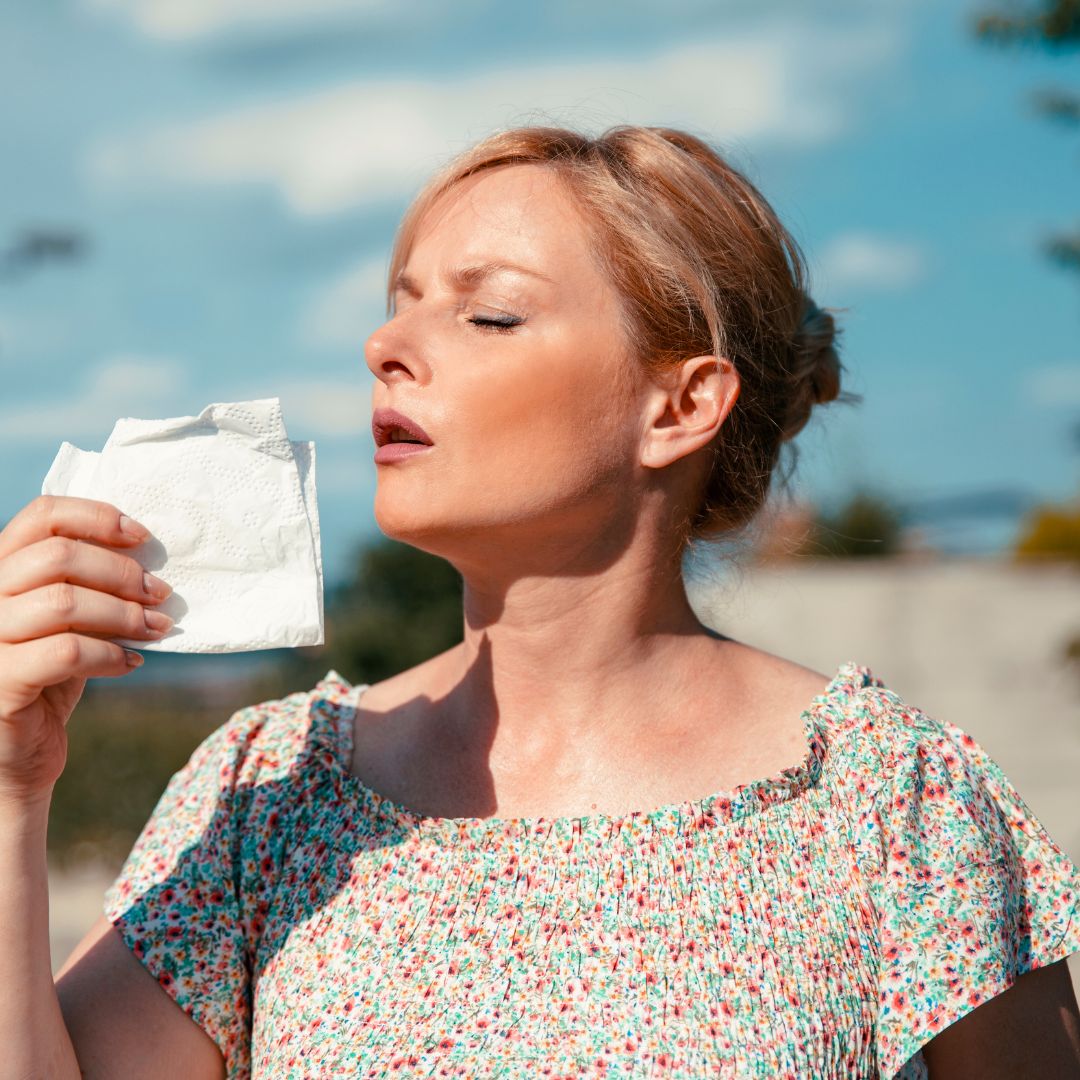
Hitzewallungen in den Wechseljahren im Sommer? Entdecke bewährte Tipps und Strategien für kühlere Tage. Sofort-Hilfe & langfristige Lösungen für mehr Wohlbefinden.
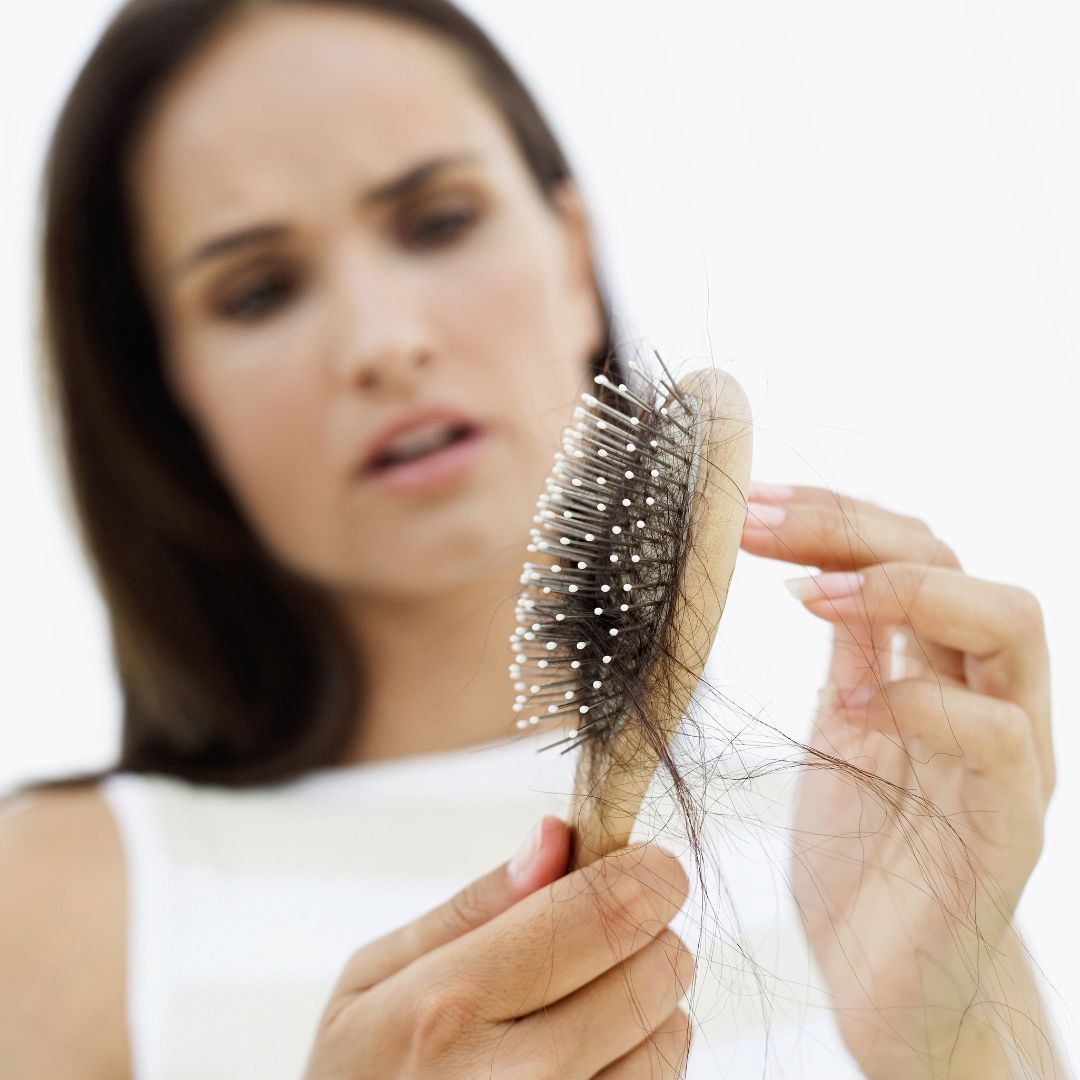
Haarausfall in den Wechseljahren: Ursachen, Lösungen und Pflegetipps
05. November 2024
Erlebst du verstärkten Haarverlust während der Wechseljahre? Damit bist du nicht allein, das natürliche Hormonchaos hat auch Einfluss auf deine Haarfollikel. Aufhalten können wir die Wechseljahre nicht, aber tatenlos ausgeliefert bist du ihnen nicht.
In diesem Artikel erfährst du…
…warum es in den Wechseljahren natürlicherweise zu Haarausfall kommt.
…welche Pflegeprodukte besonders in den Wechseljahren sinnvoll sind.
…wie Ernährung und Lebensstil bei Haarausfall in den Wechseljahren helfen.
Scheidentrockenheit in den Wechseljahren - Was kann ich tun?
29. April 2024
Die Wechseljahre betreffen früher oder später jede Frau und sind ein fester und sinnvoller Prozess des weiblichen Geschlechts. Dennoch denken wir oft mit Besorgnis an diese Zeit, denn oftmals ist sie mit Wechseljahresbeschwerden verbunden. Eine häufige Begleiterscheinung ist Scheidentrockenheit.
In diesem Artikel lernst du...
...warum Scheidentrockenheit in den Wechseljahren auftritt.
...warum deine Vaginalschleimhaut in den Wechseljahren schlechter befeuchtet wird.
...wie ich deine Vagina und Vulva durh die Wechseljahre verändern.
...welche Folgen Scheidentrockenheit haben kann.
...wie du Scheidentrockenheit gut behandeln kannst.
Im Porträt: Was sind die Wechseljahre?
29. April 2024
Die Wechseljahre werden kommen, so viel ist sicher! Biologisch sind sie ein fester und wichtiger Abschnitt im Leben einer weiblichen Person. Hat man sie noch vor sich, schaut man aber irgendwie doch eher skeptisch in ihre Richtung, oder?
In diesem Artikel lernst du…
…was der biologische Sinn der Wechseljahre ist.
…wann die Wechseljahre eintreten und in welche Phasen man sie einteilen kann
…welche Faktoren die Wechseljahre beeinflussen.
…welche Wechseljahresbeschwerden auftreten können.