



Wissen zu Frauengesundheit
In unserem fenou Magazin Wissen findest du spannende und informative Artikel rund um das Thema Frauengesundheit. Lerne mehr über deine Hormone und mögliche Beschwerden und erhalte die besten Tipps, Erfahrungsberichte und Ideen für deine Gesundheit!
Von Frauen für Frauen, von Expertinnen für Frauengesundheit für dich!
Wähle deinen Themenbereich:
Cycle and hormones
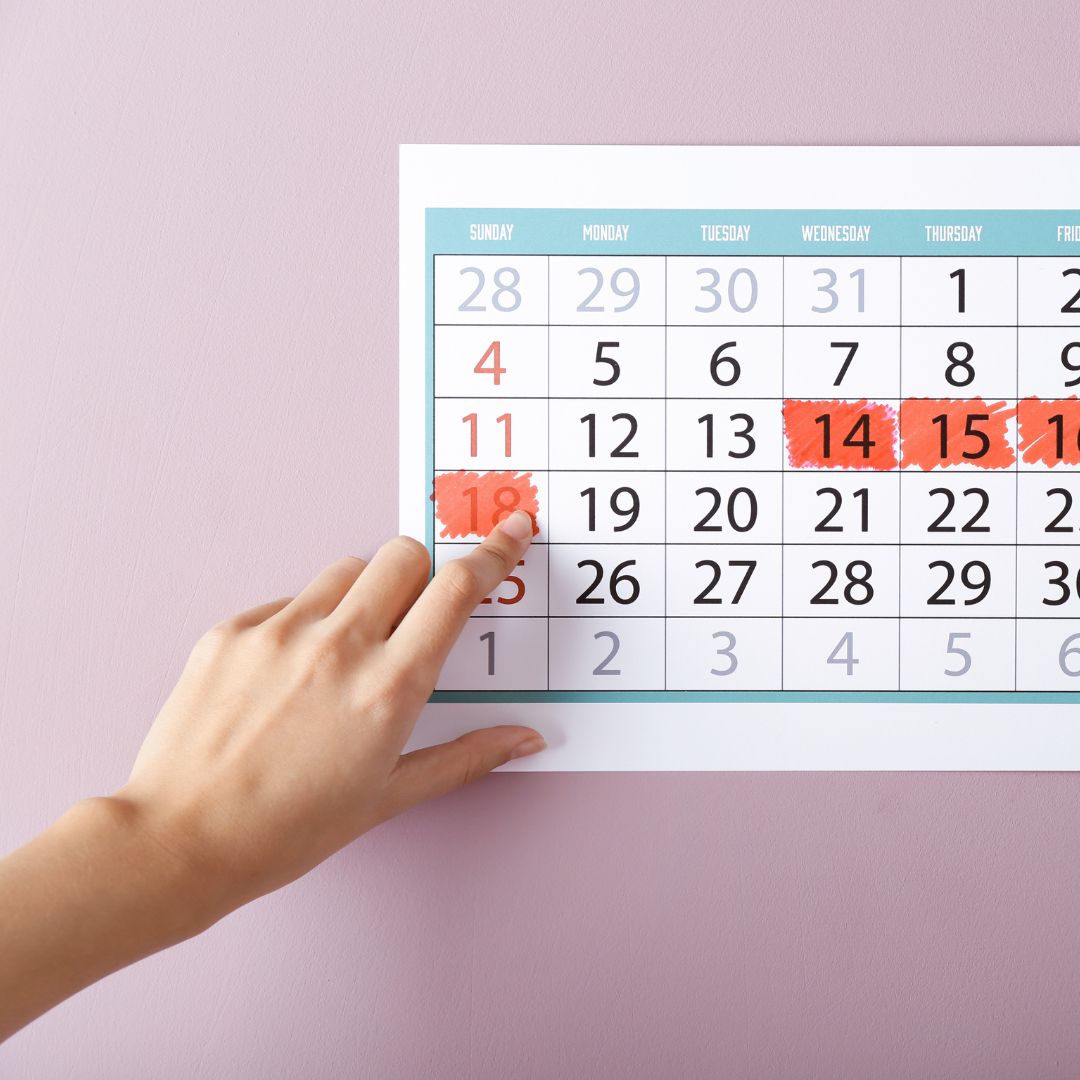
Zyklusstörungen Ursachen: Warum dein Zyklus verrückt spielt (und was du dagegen tun kannst)
08. September 2025
Zyklusstörungen Ursachen verstehen: Warum dein Zyklus unregelmäßig ist + was wirklich hilft. Natürliche Lösungen und Expertinnentipps!
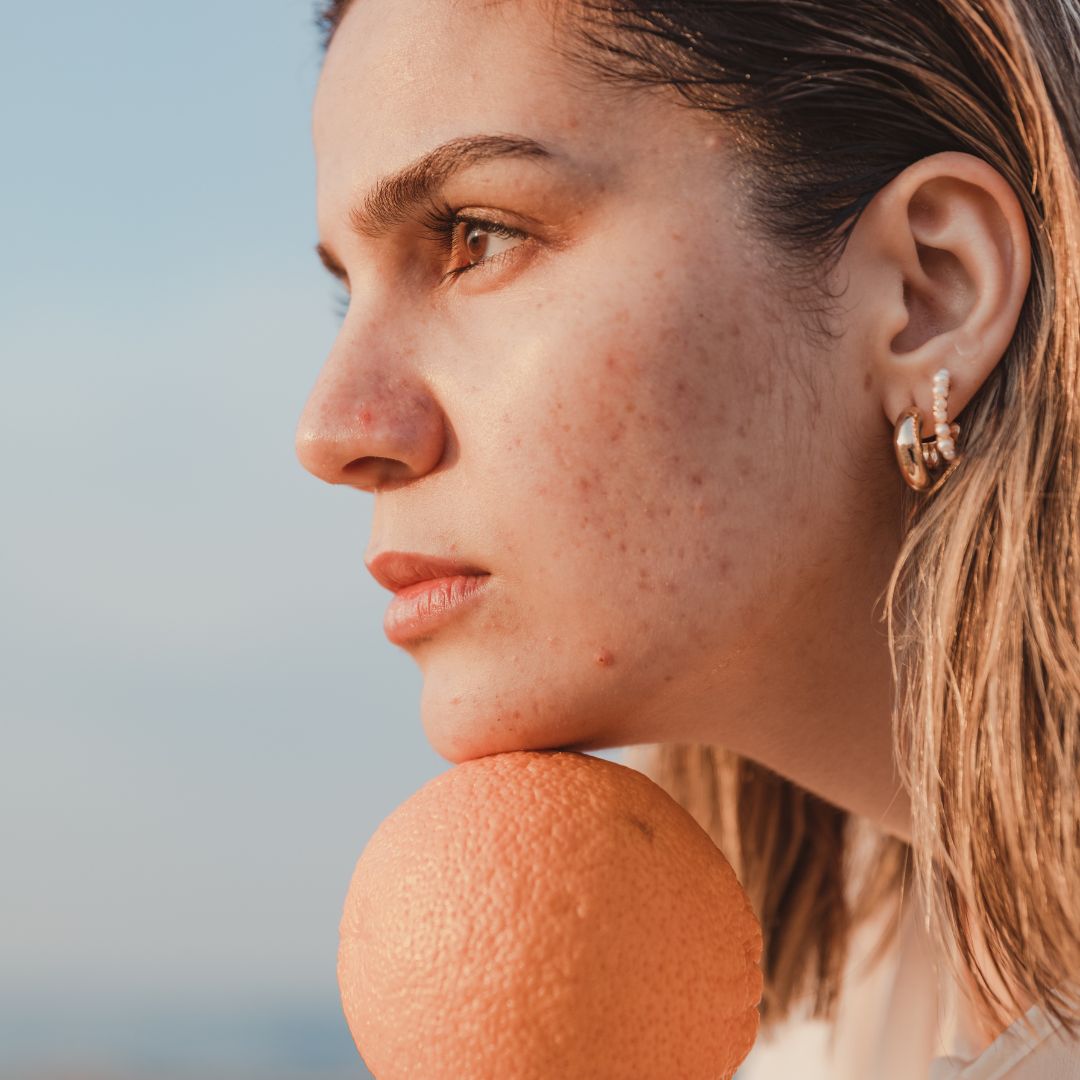
Have you ever noticed that your skin's appearance changes throughout your cycle, even though you haven't changed your skincare routine? You're not alone; a large proportion of menstruating women experience this phenomenon. And let's be honest: it's not that mysterious. Sex hormones have a wide range of effects – including on the skin.
Hormonal acne during the menstrual cycle - When does the skin suffer the most?
Hormones have a significant impact on whether our skin glows or is prone to blemishes. If you sometimes feel discouraged by your complexion, we recommend keeping a skin diary starting with your next period. You might then notice cyclical skin problems like breakouts before your period and be a little kinder to yourself and your skin.
Contents:
The four phases of the menstrual cycle and their effects on the skin
Cyclical skin problems - why is that?
What can you do? - Cyclical skincare
When should I seek medical advice for skin problems?
The four phases of the menstrual cycle and their effects on the skin
Before we take a closer look at the individual phases of the cycle, you're probably wondering what each phase generally does to your skin.
The cycle begins with menstruation as part of the follicular phase. During this phase, both estrogen and progesterone are at their lowest levels. Your skin is more sensitive. You may have noticed that hormonal acne, in particular, worsens during menstruation. As menstruation ends, estrogen levels rise in the follicular phase. Estrogen is great for the skin and helps it recover. Estrogen levels are at their highest around ovulation – your skin will glow. Following ovulation, in the luteal phase, progesterone levels rise, while estrogen levels drop and only rise slightly again. Breakouts and increased blemishes before your period are not uncommon.

menstruation
Your hormonal situation:
- Estrogen and progesterone at their lowest levels
Effects on the skin:
- Increased sensitivity: Skin becomes more sensitive to external stimuli.
- Reduced skin barrier: Fewer ceramides and natural moisturizing factors
- Slower healing: Wounds and pimples heal more slowly.
- Pale complexion: Reduced blood circulation makes the skin appear dull.
- Dryness: Reduced sebum production can lead to feelings of tightness.
During menstruation, the beneficial effects of estrogen on the skin are absent. The skin appears dull, dry, and sensitive. New skincare products used during menstruation can be more likely to cause irritation. Gentle, soothing skincare that also provides extra moisture is recommended.
Follicular phase
Your hormonal situation:
- Estrogen levels rise continuously.
Effects on the skin:
- "Glow effect": Estrogen promotes collagen production and skin circulation.
- Improved skin barrier: Strengthening the protective function
- Increased skin elasticity: More hyaluronic acid in the skin
- Finer pores: Reduced sebum production
- Faster cell renewal: Skin texture becomes more even
- Improved moisture retention: Skin appears plumper and healthier
After menstruation, the rising estrogen levels can work their magic: skin becomes plumper and rosier, blemishes decrease, and irritations heal faster. During this time, you can also nourish your skin with active ingredients, such as vitamin C, which protects against oxidative damage, and AHAs, which promote skin regeneration. This optimally supports a smooth, radiant complexion.
ovulation
Hormonal situation:
- Estrogen reaches its peak
- Testosterone rises briefly.
Effects on the skin:
- Optimal skin condition: Best phase for the skin
- Maximum glow: Blood flow and collagen production at their peak
- Improved wound healing: Best time for skin treatments
- Slightly increased sebum production: Due to an increase in testosterone, but usually unproblematic.
- Radiant complexion: Skin looks its healthiest and most attractive
Before and after ovulation, most menstruating women feel great: we're confident, libido increases, skin glows, hair shines – the hormones meant for reproduction are doing what they're supposed to do to enhance attractiveness. But even if reproduction isn't your primary goal, you can use this time to pamper your skin or have skin treatments done. Wound healing is enhanced, and you can optimally prepare your skin for the following luteal phase.
Luteal phase
Hormonal situation:
- Progesterone dominates (rises sharply)
- Estrogen drops again after a brief second rise.
- Testosterone and DHT levels rise in the late phase
Effects on the skin (increase slowly from ovulation and are most severe just before menstruation):
- Increased tallow production: Progesterone stimulates sebaceous glands.
- Clogged pores: Thicker sebum leads to blackheads.
- Premenstrual pimples: Especially around the chin, jaw and neck area
- Increased tendency towards inflammation: Less anti-inflammatory estrogen
- Water retention: The skin may appear swollen.
- Increased sensitivity: Reactions to cosmetics are more frequent.
The condition of your skin is a telltale sign that your period is approaching: It becomes oilier, and blemishes and pimples are common before menstruation. Hormonal acne often appears or worsens during the luteal phase. Skin sensitivity increases, and cosmetics can cause irritation – it's time for clay masks.
Read here to find out what hormonal acne is and what you can do about it!

Cyclical skin problems - why is that?
Cyclical skin problems are primarily caused by the influence of estrogen on the skin. These are very well researched, as skin complaints become particularly noticeable after menopause, and dry, sallow skin is a typical menopausal symptom.
Estrogen promotes the production of various substances essential for firm, smooth skin, such as collagen, elastin, and hyaluronic acid. It also influences blood circulation in the skin and, consequently, oxygen supply. Estrogen has anti-inflammatory effects, supports the skin barrier, promotes moisture retention, and counteracts the sebum-stimulating effects of progesterone and testosterone.
Progesterone, on the other hand, can stimulate the sebaceous glands. Especially during the luteal phase, estrogen can no longer balance this effect – resulting in oilier skin that is prone to clogged pores and blemishes.
The effect of progesterone is intensified by testosterone and its breakdown product DHT, which promote sebum production and thus almost pre-program clogged pores, pimples and resulting inflammation.

What can you do? - Cyclical skincare
If you have a natural menstrual cycle, cyclical skin problems will be a part of your daily life to a greater or lesser degree. However, you can counteract these with a tailored skincare routine that is adapted to the needs of your skin in each phase of your cycle.
During menstruation, you can rely on particularly gentle skincare that does not further irritate the skin, but provides it with moisture and nutrients and supports the skin barrier.
Once menstruation is over, the focus shifts to strengthening and nourishing the skin with specific active ingredients, removing impurities and dead skin cells. Fruit acid peels are ideal now, promoting a smooth, fresh complexion and exfoliating dead skin cells, as are active ingredients like vitamin C or AHAs. If you'd like to treat your skin to a cosmetic treatment or particularly intensive applications, the period around ovulation is the best time.
During the luteal phase, the goal is to prevent blemishes and pimples. Cleanse your skin during this time with gentle face washes (z.B. our clear skin cleansing foam, which is so mild because the surfactant blend was originally developed for the sensitive intimate area) and, if necessary, with gentle, sebum-regulating BHA peels. Salicylic acid has an antibacterial and anti-inflammatory effect (For this reason, our clear skin cream for hormonal acne contains salicylic acid, along with other carefully selected ingredients.You should avoid highly greasy care products and harsh active ingredients.

When should I seek medical advice for skin problems?
If you have severe cyclical acne or suffer from persistent pustules and papules, you should seek medical help. You may be prescribed certain medications, antibiotic ointments, or therapies such as light therapy. It's also worth having a doctor examine your skin if you suspect PCOS, as PCOS is often associated with elevated testosterone levels, which can increase sebum production.
To support yourself from within, you can pay attention to vitamins and minerals that are associated with skin health.Ideal foods include nuts, anything yellow or orange, turmeric, green tea, red berries, green leafy vegetables, fiber-rich whole grains, and probiotic foods. Read on if you want to know more about nutrition for hormonal acne.

If you'd like to support your diet, skin supplements are worth a try. If you want to rely on the proven fenou quality, we can recommend... fenou beauty x cycle I highly recommend this product, whose combination of nutrients and plant extracts is tailored to the needs of those with hormonal acne.

Östrogendominanz - Was wirklich hilft
13. May 2025
Was hilft bei Östrogendominanz? Erfahre hier die wichtigsten Tipps gegen hormonelles Ungleichgewicht – von Ernährung über Entgiftung bis zur hormonfreien Verhütung.
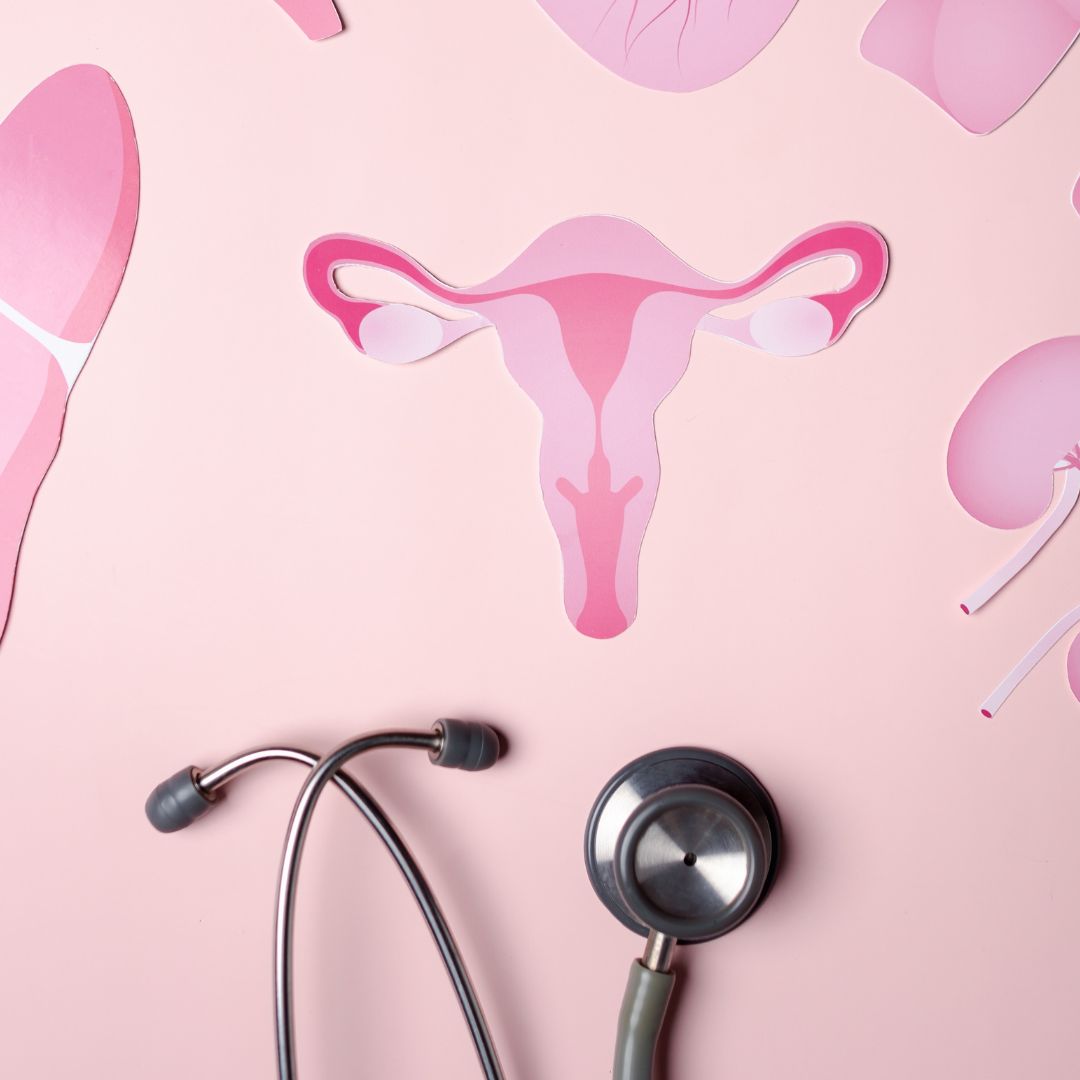
Was ist eine Östrogendominanz? Hier erfährst du alles über Symptome, Ursachen, Diagnostik und wie du herausfindest, ob du betroffen bist
Östrogen - Was ist das?
07. May 2025
Östrogen ist eines der wichtigsten weiblichen Sexualhormone. Erfahre alles über Estradiol, Estron, Estriol, Östrogendominanz, Mangel und die Rolle des Östroboloms für dein hormonelles Gleichgewicht.

5 Frauenkräuter für hormonelle Balance
28. April 2025
Heilpflanzen und ganz besonders die sogenannten Frauenkräuter ermöglichen eine natürliche Unterstützung des Hormonhaushaltes. Lerne hier 5 Vertreter genauer kennen.
Hormonausgleich natürlich, funktioniert das?
24. April 2025
Zyklusschwankungen, Akne, PMS - und du bekommst die Antibabypille als Lösung angeboten? Du möchtest aber den Hormonausgleich natürlich angehen, bevor du auf Medikamente zurückgreifst? Dann lies hier weiter!
Welche Symptome hat Östrogenmangel?
23. April 2025
Die Symptome eines Östrogenmangels sind manchmal unscheinbar. Wir stellen dir die wichtigsten Symptome vor, damit du deine Beschwerden einordnen kannst.

Östrogenmangel Symptome - was du dagegen tun kannst
23. April 2025
Unfruchtbarkeit, Scheidentrockenheit, Harnwegsinfekte, Pilzinfektion, Schlafstörungen, Hitzewallungen, Augenkrankheiten, Typ 2 Diabetes - klingt nicht unbedingt alles nach einem Zusammenhang zum Hormonsystem? Nämlich eben doch! Alle diese Beschwerden können durch einen Östrogenmangel verursacht werden - und sind dementsprechend gut behandelbar!
In diesem Artikel lernst du…
…was Östrogen ist und welche Aufgaben es hat.
…welche Symptome ein Östrogenmangel hervorrufen kann.
…wann Östrogenmangel auftreten kann.
…was du bei Östrogenmangel für dich tun kannst.