


Imagine this: It's a hot summer day with 30 degrees in the shade, and suddenly another heatwave overcomes you – this time from within. About 75% of all women in menopause know this feeling of double heat exposure all too well. While others enjoy the summer, they struggle against a combination of external summer heat and the dreaded hot flashes of menopause.
Hot flashes in menopause: How to get through the summer relaxed
The good news: You are neither alone nor helpless in the situation. In this article, we share proven strategies and practical tips on how you can get through menopause relaxed even in the hot season. From immediate relief measures to long-term adjustments.
Contents:
Why summer is particularly challenging
Immediate relief for hot flashes in summer
Long-term strategies for summer
Psychological coping with the double burden
Frequently Asked Questions (FAQ)
Note: This article is for informational purposes and does not replace medical advice. If symptoms persist or are severe, please seek medical advice.
What are hot flashes?
Hot flashes are one of the most common and distressing symptoms of menopause. They are caused by hormonal changes during menopause, especially by the falling estrogen levels.
During a hot flash, the blood vessels suddenly dilate, causing an intense feeling of heat to spread – usually starting in the face and upper body. The body temperature can actually rise by one to two degrees. This reaction is often accompanied by heart palpitations, sweating, and subsequent chills.
A typical hot flash lasts between 30 seconds and five minutes, but can also last longer. The frequency varies greatly: Some women experience them only occasionally, others up to 20 times a day. About 80% of affected women have regular hot flashes over a period of two years - in 25% they can even last up to five years.
The intensity and frequency of hot flashes are influenced by various factors, including stress, certain foods, alcohol, smoking - and also high outdoor temperatures.

Why summer is particularly challenging
The combination of menopausal symptoms and summer heat presents women with a double challenge. When the outdoor temperature is already high, the feeling of overheating during a hot flash is dramatically amplified. What would only be unpleasant on a cool autumn day becomes a real ordeal at 30 degrees.
High outdoor temperatures can actually act as a trigger for hot flashes. The body, which is already struggling with disrupted temperature regulation, reacts particularly sensitively to every additional heat stimulus. This can lead to a vicious cycle: The fear of the next hot flash increases the stress level, which in turn can trigger new hot flashes.
Especially at night, the situation becomes a challenge. Warm summer nights already make sleep difficult, and nighttime hot flashes (night sweats) can lead to repeated awakenings. The resulting sleep deprivation can intensify the symptoms the next day and affects overall quality of life.
Social activities also suffer from the double heat burden. Barbecues, terrace cafes, or walks in the park become a challenge when you never know when the next hot flash will come. Many women therefore withdraw during the hot months, which can lead to isolation and reduced joy of life.

Immediate relief for hot flashes in summer
Clothing and materials
The right choice of clothing is your first shield against the double heat burden. Breathable materials such as cotton, linen, or special functional fibers that transport moisture away from the body are particularly suitable. You should avoid synthetic fabrics such as polyester, as they trap heat and increase sweating.
The onion principle is your best friend: If you wear several thin layers instead of one thick piece of clothing, you can quickly take off a layer during a hot flash and get relief. A light cardigan or a thin scarf can easily be stored in your handbag.
Choose loose, non-tight fits in light colors. Tight clothing intensifies the feeling of heat and hinders air circulation. Since the neck area is often the first to be affected by a hot flash, it can be useful to avoid turtlenecks and tight necklines.
Cooling accessories can be real lifesavers. A small hand fan fits in any bag, cooling neck scarves with gel inserts provide immediate relief, and a cooling spray for the face provides quick relief on the go.

Cooling techniques on the go
For acute situations, you can keep cooling wet wipes or a small cooling spray at hand. Cooling the wrists and the back of the neck is particularly effective – large blood vessels run just under the skin there.
A simple trick: Hold your wrists under cold water for about 30 seconds or place a damp, cool cloth on the back of your neck. This lowers the body temperature quickly and effectively. In restaurants or cafes, you could ask for ice cubes and place them wrapped in a napkin on your wrists.
Drink cool (but not ice-cold) beverages regularly. Ideal are water with mint or lemon, unsweetened tea, or diluted fruit juices. Avoid hot drinks, alcohol, and caffeine, as these can intensify hot flashes.

Breathing techniques and relaxation
The 4-7-8 breathing technique can have a calming effect during an acute hot flash: Breathe in for four seconds, hold for seven seconds, and breathe out for eight seconds. This technique activates the parasympathetic nervous system and can reduce the intensity of the hot flash.
Mindfulness exercises help to prevent panic. Remind yourself: "It will pass." Focus on your breathing and try to consciously observe the heat wave and let it pass.
Long-term strategies for summer
Nutrition in heat
Your diet can have a significant impact on the frequency and intensity of your hot flashes. In summer, you can focus on cooling foods such as cucumbers, watermelons, leafy salads, and yogurt. These have a high water content and can cool you from within.
Avoid spicy seasonings, hot soups, alcohol, and caffeinated beverages. They can trigger or intensify hot flashes. Very sweet or fatty foods also put additional strain on the metabolism and can intensify the symptoms.
Drink easily 2-3 liters of fluid daily, and accordingly more in heat. Ideal are still water, herbal teas (cooled), or homemade infused waters with cucumber, mint, or lemon. Distribute the fluid intake evenly throughout the day.
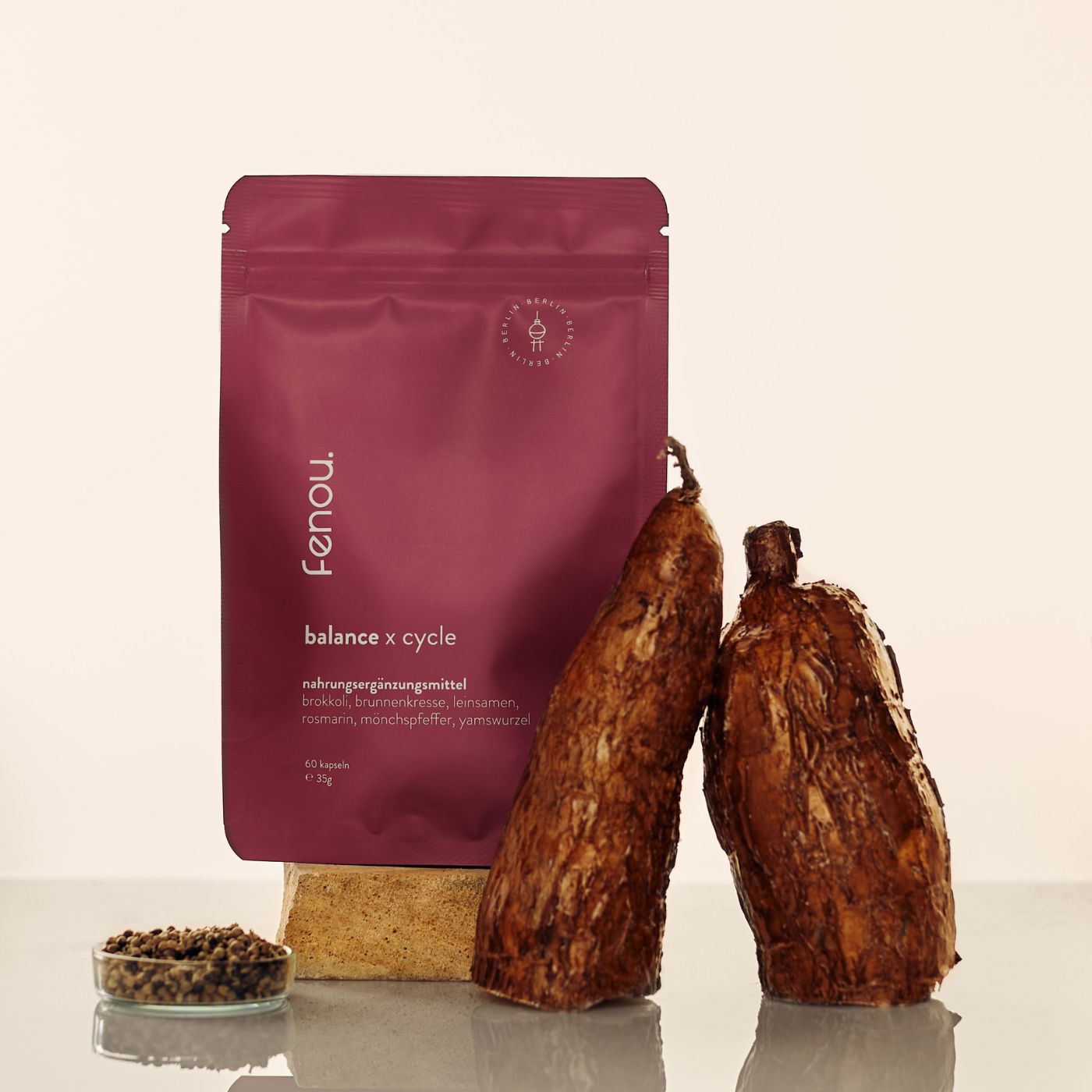
Phytoestrogens from soy, flaxseed, or red clover can help balance hormonal fluctuations. These plant substances have a weak estrogen-like effect and can relieve menopausal symptoms with regular consumption. If you would like to try one of our products, we can recommend fenou balance x cycle.

Optimize living space
Not only during menopause, but also a real life hack: Make your home an oasis of coolness. Ventilate in the morning and evening when outdoor temperatures are lower, and keep windows and curtains closed during the day. Blackout curtains or roller shutters help keep the heat outside.
Fans can work wonders. Both floor and ceiling fans provide air movement and enhance the cooling effect of evaporation. A small table fan next to the bed can make nighttime hot flashes more bearable.
For the bedroom, there are special tips: Cooling mattress pads, pillowcases made of bamboo fibers, or even a cooled grain pillow can provide more pleasant nights. It may sound strange: Store your nightwear in the refrigerator – this provides immediate relief during nighttime hot flashes.
Summer tip: Place a bowl of ice cubes in front of a fan – the evaporating cold cools the room air noticeably.

Adjust activities
Move physical activities to the early morning hours or late evening. Sports between 11 and 16 hours put additional strain on the already stressed organism and can intensify hot flashes.
Choose shady places for outdoor activities and plan regular breaks. A walk in the park is much more pleasant at 7 a.m. than at noon. Swimming is an ideal sport for hot days – the water cools and the movement feels good.
Adjust your social activities: Meet friends in air-conditioned rooms, choose restaurants with shady terraces, or move barbecues to the evening hours. Communicate openly with your environment about your needs – most people are understanding.

Medical treatment options
Important note: The following information does not replace a medical consultation. Every medical treatment should be discussed and monitored individually.
Hormone replacement therapy (HRT) is considered one of the most effective treatments for hot flashes. Missing hormones estrogen and, if necessary, progesterone are administered. The therapy can significantly reduce the frequency and intensity of hot flashes. However, it is not suitable for every woman and brings certain risks that must be weighed individually.
Herbal alternatives such as black cohosh, red clover, or soy isoflavones can be helpful for milder symptoms. These phytopharmaceuticals have fewer side effects, but their effect is also weaker and only sets in after a few weeks. The evidence base is mixed, but many women report positive effects. You want to rely on the usual fenou quality? Then try fenou rise & shine x menopause, our creams that accompany you through menopause.
Non-hormonal medications such as certain antidepressants (SSRIs) or gabapentin can help against hot flashes in low doses. This option is particularly interesting for women who cannot or do not want to take hormones.
Lifestyle medicine includes approaches such as acupuncture, yoga, meditation, or cognitive behavioral therapy. Even though the scientific evidence is partially limited, many women report improvements in their symptoms through these holistic approaches.
Talk to your gynecologist about the treatment option that is right for you. An individual consultation taking into account your medical history and personal risk factors is essential.

Psychological coping with the double burden
The psychological component of hot flashes is often underestimated. Stress and anxiety can intensify hot flashes and set a vicious cycle in motion. Acceptance is the first step: Menopause is a natural phase of life, and hot flashes are temporary.
Develop self-compassion. Instead of getting angry or ashamed when a hot flash comes, treat yourself with the same kindness you would show a good friend. Sentences like "This is normal and will pass" help more than self-reproach.
Seek support in your social environment. Talk openly with your partner, family, and friends about your situation. Many women report that the understanding of their environment brings great relief. Do not be afraid to ask for help – whether shopping in the heat or adjusting social plans.
Stress management is crucial. Relaxation techniques such as progressive muscle relaxation, meditation, or yoga can not only reduce the frequency of hot flashes, but also improve overall quality of life. Even 10 minutes of daily relaxation can make a noticeable difference.
Exchanging with other affected women can also be very helpful. Online communities or local self-help groups offer the opportunity to share experiences and learn from each other. The feeling of not being alone is often already healing.

Frequently Asked Questions (FAQ)
How long do hot flashes in menopause last? The duration is individually very different. In most women, hot flashes occur for 2-5 years, usually starting in perimenopause. About 10% of women still have occasional hot flashes 10 years after the last menstruation. The good news: Over time, they usually become weaker and less frequent.
Do fans really help against hot flashes? Yes, definitely! Fans can lower the perceived temperature by several degrees and provide air movement that lets sweat evaporate faster. A small hand fan or a fan is a practical helper for on the go. Many women swear by a small USB fan at the workplace.
What clothing is best for hot flashes? Breathable natural materials such as cotton or linen are ideal. Avoid synthetics and opt for the onion principle with several thin layers. Loose fits in light colors reflect the heat. Especially important: no tight collars or turtlenecks, as the neck area is often affected first.
When should I see a doctor for hot flashes? Seek medical help if hot flashes severely affect your quality of life, you wake up frequently at night, or if you are considering medication treatment options. Also with very frequent hot flashes (more than 10 per day) or if they are accompanied by other severe symptoms, medical advice is useful.

Conclusion
Hot flashes in menopause are a double challenge in summer, but you are not helpless against them. With the right preparation, adapted clothing, thoughtful cooling techniques, and long-term strategies, you can experience even hot summer days relaxed.
Every woman experiences menopause differently, so it can take some time until you have found your strategy. Be patient with yourself and try out different approaches. Over time, you will find out what works best for you!