


It is always fascinating how all the processes in the human body are interconnected and interdependent. Menopause is a particularly interesting phase of life in this regard.
Women* going through menopause would probably like to avoid the hormonal changes in their bodies. The changes in estrogen and progesterone, in particular, have a major impact on the body. But there is no use, as we have to go through it anyway. So we want to know what exactly is happening in our bodies, don't we?
Why is vaginal dryness so common in menopause?
Closely linked to women getting older is the decline in estrogen production. Estrogen is produced by the maturing follicle. As the follicles run out at the end of the fertile period, estrogen levels also drop.
Estrogens have a variety of functions in the female body.
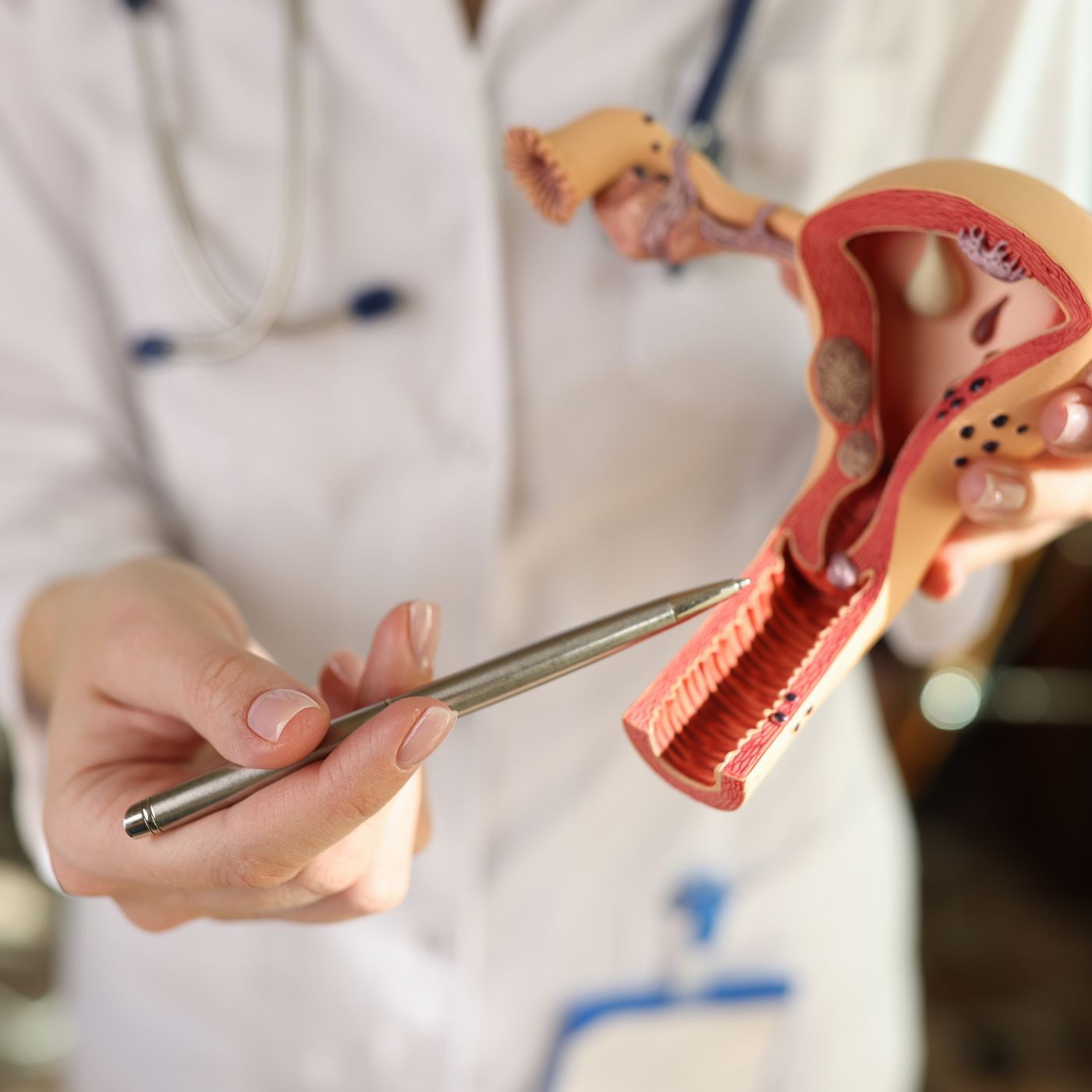
One of the main functions of estrogens is the development of the primary female reproductive organs and thus, among other things, the function and appearance of the vulva and vagina. It is therefore not surprising that the condition of the vagina and vulva changes with an estrogen deficiency.
As harsh as it sounds: Biologically, the function of the vagina is no longer relevant, as women will no longer be able to bear children. And our body is smart and does not waste unnecessary energy that it can use for other functions. It is actually quite fascinating, if it did not restrict our quality of life.
How does vaginal dryness occur in menopause?
Hot flashes, sweating, or low mood are not the only classic symptoms of menopause. During menopause, falling estrogen levels also lead to some changes in the vulvovaginal area, i.e., the area that includes the vulva and vagina.
This leads to 4% of women in the early perimenopausal phase suffering from vaginal dryness. By the late postmenopausal phase, the proportion of affected women increases to 47% [1]. Why is that?
The vaginal environment changes
Without the influence of estrogens, the vaginal mucosa becomes thinner overall. This means that there are fewer mucosal cells that can die and be shed. In fact, these shed cells play a very important role in maintaining the vaginal environment.
The dead cells release glycogen. This glycogen is converted into glucose in the vagina. The glucose, in turn, can be metabolized into lactic acid by lactic acid bacteria. And lactic acid is the reason for the acidic environment in the vagina.
When lactic acid is lacking, the pH level drops. The mucosa dries out, and the beneficial bacteria that depend on an acidic environment die. Harmful bacteria can gain the upper hand. In this environment, other pathogens such as fungi also have a much better chance of survival - infections and inflammation are the result.
Loss of elasticity
Estrogens have a major influence on the external appearance of the vagina and vulva in younger women. For example, the transverse folds in the lower part of the vagina, which allow the vagina to expand (important during childbirth), recede during menopause, and the mucosa becomes increasingly smooth. This causes the vagina to lose its elasticity and makes the mucosa dry out more easily. The elasticity of the labia also decreases, they become less well-perfused and moisturized, and overall become paler [2]. The result is a dry vagina.
Poorer blood supply and moisturization
Ultimately, estrogen deficiency leads to reduced blood supply and moisturization of the vulvovaginal mucosa. In addition, the function of the Bartholin's glands, which produce a moist secretion during sexual arousal, decreases due to estrogen deficiency.
What are the consequences of vaginal dryness in menopause?
Because the vulvovaginal mucosa is no longer sufficiently moisturized, unpleasant symptoms occur. For example, dry mucosa is more susceptible to infections and injuries, which in turn can lead to itching, burning, pain, or even bleeding. This can cause discomfort even when walking or sitting - anyone who has ever had vaginitis or a yeast infection knows the extent!
During sexual intercourse, wounds can also form. These not only cause pain but are also ideal places for pathogens to enter.
In general, pain during sexual intercourse can occur. This can lead to a loss of libido and even vaginismus (involuntary contraction of the muscles, so that the vagina is effectively closed). Changes in the labia and clitoris already lead to a decrease in arousal. The lack of vaginal secretion then does the rest, and penetrative sexual intercourse is perceived as unpleasant.
The susceptibility to infection also increases due to the altered vaginal environment - not only in the vulvovaginal area, but also in the urogenital tract! Estrogen receptors are found throughout the urogenital area. An overactive bladder is therefore closely linked to estrogen deficiency, as are an urgent need to urinate at night and incontinence [1].
How can vaginal dryness in menopause be treated?
Even though the symptoms of vaginal dryness in menopause sound unpleasant, no woman* has to put up with them! There are very good ways to support the mucosa. However, gynecologists report that women* tend to say less about these symptoms during menopause. There are many ways to counteract vaginal dryness and help affected women during the hormonal transition.
Creams, gels, and suppositories
Moisturizing gels, creams, or hormone-free suppositories supply the sensitive mucosa of the vulvovaginal area with moisture, reduce injuries, and relieve irritation. The advantage is that they can be used long-term, but the disadvantage is that, like other skincare products, they must be applied regularly.
If the symptoms are mainly problematic during sexual intercourse, you can use water- or silicone-based lubricants. Both types of lubricant are suitable for use with condoms and can also be combined with sex toys. Water-based gels may need to be applied more often, while you need less of silicone-based gels overall, and they keep things moist longer.
Hormonal treatment of vaginal dryness
Hormone-containing products are recommended as an effective standard treatment. The choice is between estrogen-containing vaginal creams and vaginal tablets, which must be used regularly, and the vaginal estrogen ring, which can be worn for up to 3 months.
The products release estrogen into the surrounding tissues and act directly at the site of the symptoms. Nevertheless, a small amount of the hormones also enters the bloodstream. Therefore, their use in patients with estrogen-related cancers must be carefully weighed.
Systemic estrogen treatment can be considered after carefully weighing the risks and benefits, especially if other symptoms, such as hot flashes, impair quality of life. In this case, it should always be taken into account that oral hormone therapy can worsen incontinence [3].
Herbal remedies and supplements for vaginal dryness
If you prefer herbal products to medication or want to contribute to relieving your vaginal dryness during menopause through a healthy diet, vitamin E, vitamin D, phytoestrogens, and herbal vaginal creams are the most promising options.
Topical application of vitamin E and phytoestrogens has been shown to improve vaginal dryness. Similar results have also been achieved with oral vitamin D supplementation and vitamin E supplementation [1, 4].
As a cream, for example, a cream with licorice is an option [5].
It is best to discuss this with your gynecologist and do not hesitate to describe your symptoms. Vaginal dryness in menopause is a completely natural process, and there are numerous ways to relieve your symptoms.
Get help!
Vaginal dryness and other menopausal symptoms can restrict quality of life, and they are certainly something we can comfortably do without. But perhaps you can take a gentler look at your body now that you know why all these changes occur and what kind of sensitive and sophisticated system is actually behind it. You need to be neither ashamed of your symptoms nor accept them! Do not hesitate to get help!