


Knowing your hormone balance is almost as important as having a well-balanced hormone balance itself. After all, our beloved hormones have their fingers in countless processes. And not infrequently, a symptom is associated with a hormone imbalance for a long time or not at all. Infertility, vaginal dryness, urinary tract infections, yeast infections, sleep disorders, hot flashes, eye diseases, or type 2 diabetes - not all these complaints shout “We are estrogen deficiency symptoms.” But they are, and that is why we are now taking a closer look at estrogen deficiency and its effects.
Contents:
Symptoms of estrogen deficiency
Estrogen deficiency through diet and body weight
Estrogen deficiency through menopause
Estrogen deficiency through the pill
Organic causes of estrogen deficiency
What helps with estrogen deficiency?
What is estrogen and what function does estrogen have?
In fact, there are four different forms of estrogen in the body. These are mainly formed in the ovaries and to a small extent also in the adrenal cortex and adipose tissue.
The most important role of estrogens is that of a sex hormone. The sexual maturation of female-assigned characteristics, the development of a menstrual cycle as well as the maintenance of this cycle through the monthly maturation of egg cells in the ovaries, the cycle-dependent regeneration of the uterine lining and the formation of cervical mucus are the biggest areas of focus here.

Good to know: Estrogens also play a role in the male cycle. Here they are involved in the regulation of various metabolic processes.
In addition to their function in the reproductive system, estrogens have a multitude of tasks in metabolism. They influence the immune system and regulate the activity of some immune cells. They influence calcium metabolism and are involved in the development and maintenance of bone substance. Estrogens also affect wound healing and skin aging as well as fat metabolism and water balance. Accordingly, the symptoms are diverse.
Possible symptoms of estrogen deficiency:
- Infertility
- Cycle irregularities, intermenstrual bleeding
- Vaginal dryness
- Reduced libido
- Pain during sexual intercourse
- Frequent urinary tract infections
- Dry skin or hair
- Sleep disorders
- Hot flashes, night sweats
- Reduced concentration and memory
- Exhaustion
- Mood swings
- Osteoporosis
- Metabolic diseases such as overweight, insulin resistance, or type 2 diabetes
- Eye problems
- Cardiovascular diseases
What causes estrogen deficiency?
In addition to organic causes of estrogen deficiency and physiological estrogen deficiency at certain stages of life, there are some lifestyle factors such as diet and excessive exercise that can promote estrogen deficiency.
Possible causes of estrogen deficiency
- Malnutrition or undernutrition
- Excessive exercise
- Birth control pill
- Menopause, postmenopause
- Temporary after pregnancy
- Missing ovaries or dysfunction of these
- Adrenal insufficiency or fatigue due to chronic stress
Estrogen deficiency through diet and body weight
Estrogens are formed not only in the ovaries, but also in the adipose tissue and the adrenal gland. Malnutrition or undernutrition not only leads to a drastic loss of body fat, but can also affect the function of the organs through nutrient deficiency. In addition, food and nutrient scarcity represents a strong stress stimulus. This leads, among other things, to the prevention of a possible pregnancy through the reduction of hormone production, as neither energy nor nutrients would be sufficient to support the mother and child, and thus could be life-threatening. Excessive exercise has similar effects, which often goes hand in hand with the loss of body fat and also represents a stressor.
Estrogen deficiency is a natural consequence of menopause
Most findings on estrogen deficiency come from studies with people in menopause and postmenopause. During menopause, the ovaries increasingly cease their function. As a result, the estrogen level continuously drops, and physiological estrogen deficiency occurs. Classic accompanying symptoms of estrogen deficiency in menopause are, for example, hot flashes, sleep disorders, depression, or vaginal dryness. In addition, the decreasing estrogen level during this time promotes, among other things, the development of osteoporosis, eye diseases, and overweight.
Similar symptoms are brought about by the surgical removal of the ovaries. This causes the body to essentially enter premature menopause.
Good to know - Pubertas tarda: Pubertas tarda refers to the delayed onset of puberty. Causes for pubertas tarda, in addition to underlying diseases, include, for example, high-performance sports in childhood, malnutrition and/or undernutrition, or adrenal insufficiency. Estrogen deficiency results in delayed puberty: menstruation often does not begin until 18 years of age, and the development of sexual characteristics is severely delayed. A medical consultation can provide a remedy if suspected.
Estrogen deficiency through the birth control pill

The situation is different for women in menopause. Here, hormone replacement therapy may make sense under certain circumstances. The risk-benefit assessment should be carefully discussed with a doctor, because there are many risk factors.
Estrogen deficiency through organic causes
The cause of estrogen deficiency can be various underlying diseases such as a malformation or impaired function of the ovaries. Adrenal weakness also has an influence on the estrogen balance. In adrenal insufficiency, too little DHEA, the precursor of estrogen, is formed. Adrenal insufficiency can be congenital. However, there is growing suspicion that chronic stress also leads to fatigue and thus to reduced adrenal function!
What helps with estrogen deficiency?
To correct estrogen deficiency, you should know the cause.
If estrogen deficiency is caused by underlying diseases, you should seek medical treatment.
However, estrogen deficiency can also be caused by an unfavorable lifestyle. Here, as always: out with stress, in with healthy eating.

Reduce stress and ensure balance
Prolonged stress burdens the adrenal glands, as they are responsible for stress response and regulation. So always allow yourself conscious breaks and structured daily planning. Meditation, yoga, and other gentle and mindful exercise methods lower your stress level and strengthen your body in a gentle way. Sports can be a good balance, as long as they do not additionally upset you, as can be the case with competitive sports or excessive running and strength training. Endurance sports or regular physical activity are better suited. If you live in stressful circumstances, do not hesitate to ask for help and remind yourself regularly: No one has to be able to do everything, you give exactly what you can, and that is good!
Fresh balanced diet
In addition, you can support your body with a healthy, fresh diet. Cruciferous vegetables such as cabbage, cress, mustard, radish, etc. can support the estrogen balance. Seeds and grains (especially flaxseed) contain lignans, which also have an influence on the hormone balance. Foods such as fruit, vegetables, whole grains, nuts, and legumes are rich in long-chain carbohydrates and fiber, which regulate blood sugar and the feeling of fullness. Unprocessed plant-based foods have a beneficial effect on the gut flora and the immune system and can thus support the body in defending against infections.
Avoid alcohol, tobacco, and co.
Highly processed foods, refined sugar, unsaturated fatty acids from animal products, alcohol, cigarettes, and other indulgences particularly burden the liver and the adrenal glands. Consumption should therefore be reduced as much as possible.
Natural supplements
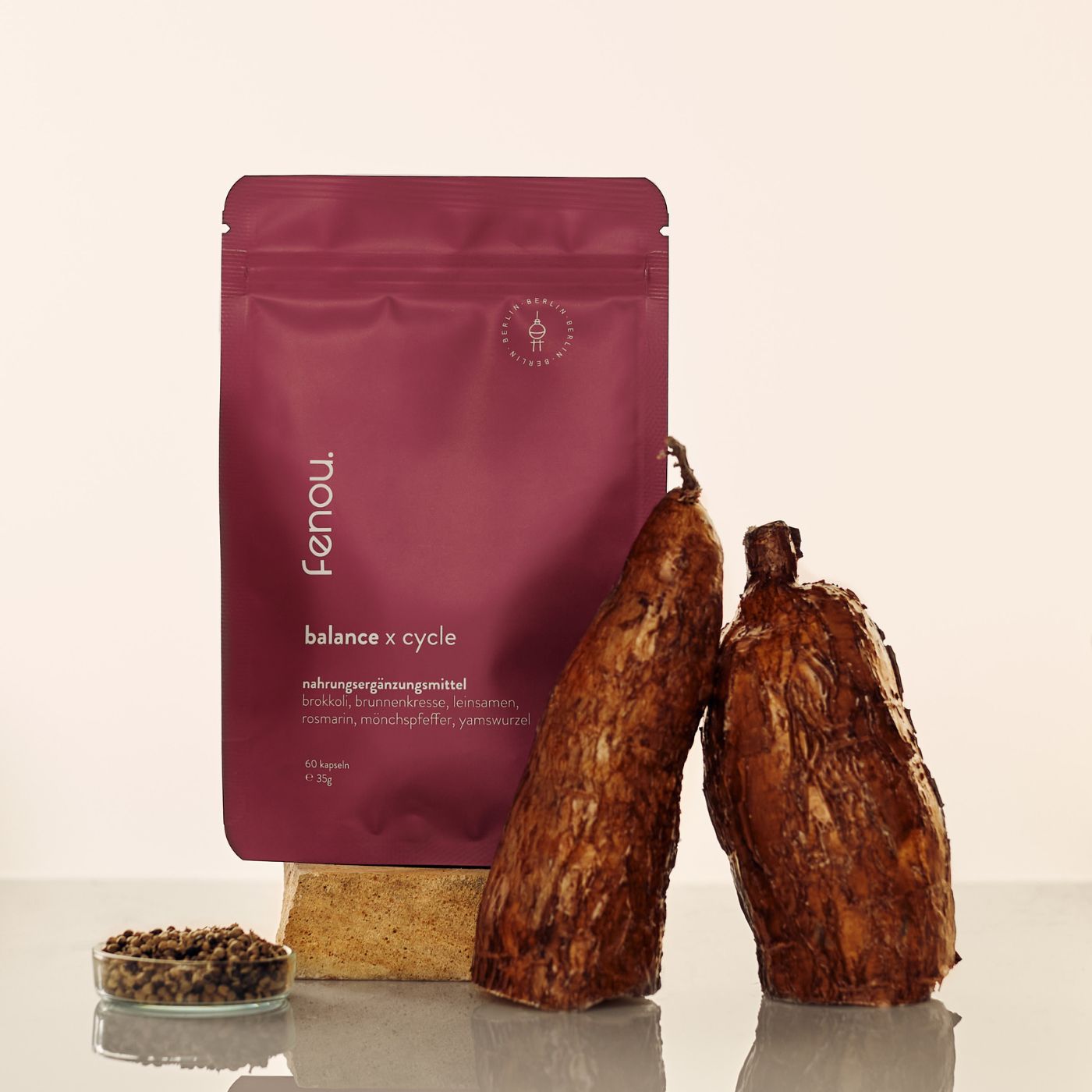
Some plants have an influence on the estrogen balance and are therefore suitable as supplements. Often, monk's pepper is used for complaints related to the estrogen balance, and especially red clover during menopause. Yam root, red clover, yarrow, and motherwort are also classic women's herbs that can support your hormone balance. These are available as supplements or as tea.
Quick help against symptoms
If the symptoms are already there, there are a number of options to alleviate them. For example, St. John's wort can help with depressive mood. Melatonin alleviates sleep problems and is now freely available in drop form. Ointments or suppositories with estrogens act locally and can thus alleviate vaginal dryness and itching. If you suffer from dry eyes due to estrogen deficiency, an eye ointment also helps here. Vitamin D and calcium supplementation can reduce the risk of osteoporosis. Discuss the right dose for you with a doctor.
For frequent infections of the urogenital area such as urinary tract infections, yeast infections, or vaginosis, some gynecological practices offer the so-called vulvovaginal laser therapy. This is intended to strengthen the immune defenses of the mucous membrane. Feel free to seek medical advice for this.