



Contents:
Does ovulation pain indicate the fertile phase?
What are the symptoms of ovulation?
What can I do about ovulation pain?
Pain that only hurts a little. Pain that occurs in the middle of the body. Or what is the right answer to the question “What exactly is ovulation pain?”
Ovulation and its symptoms: What is ovulation pain?
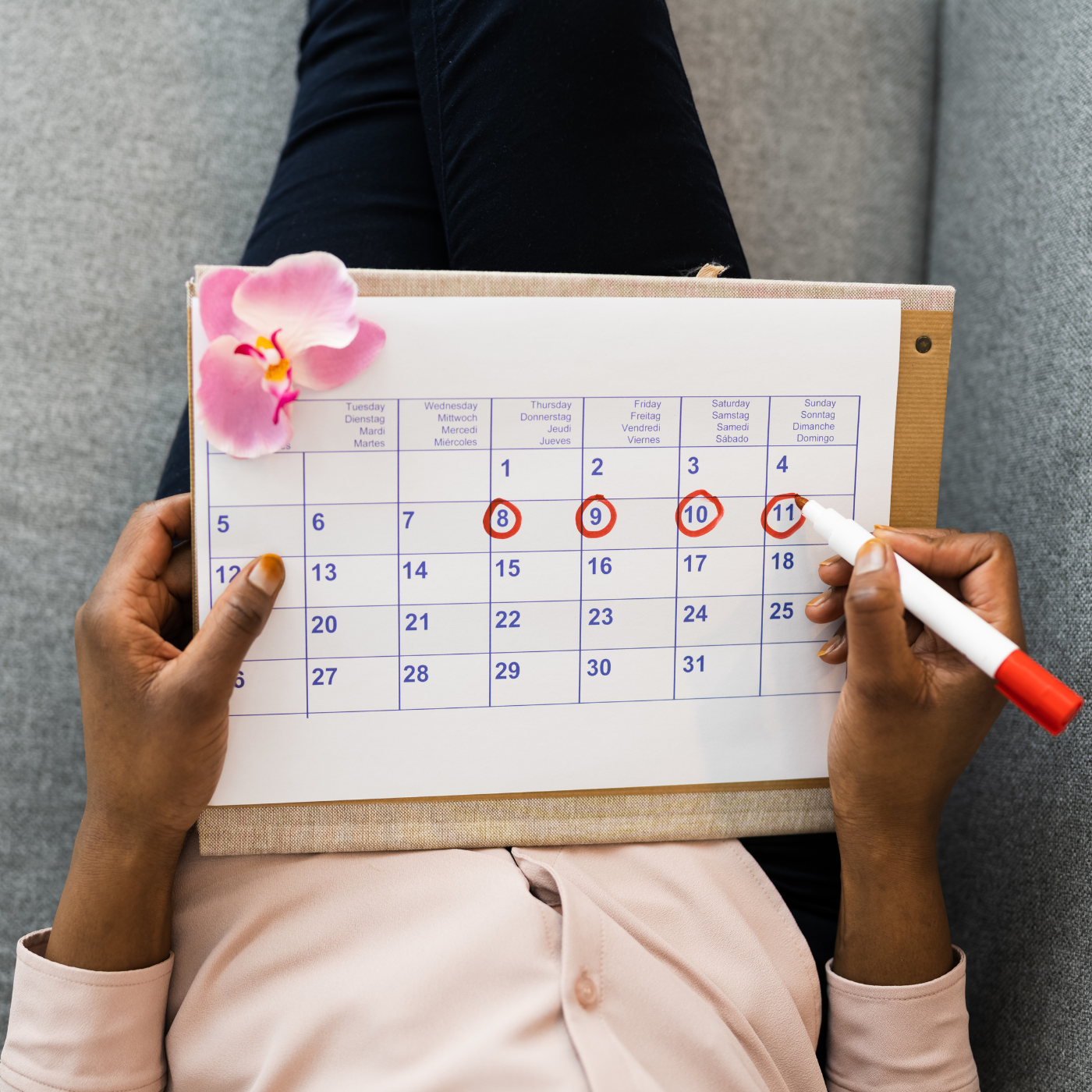
So-called ovulation pain is pain that occurs around the time of ovulation in the menstrual cycle. Since this time is often mistakenly referred to as the middle of the cycle, this ovulation pain has become known as mid-cycle pain - the middle of the cycle. Regardless of the terminology, ovulation pain is actually regularly experienced by around 40% of menstruating people.

While it may be a mild pulling sensation in one person, it can manifest as cramp-like or sharp pain in the lower abdomen in others. For some, it lasts only a few hours, while for others, it lasts several days. This pain usually occurs on the side of the body where the developing follicle is located. But back pain, limb pain, a tense feeling in the pelvis, pressure in the lower abdomen, or even headaches or hot flashes can also indicate the release of the egg.
Whether or not the pain is perceived varies from person to person and does not indicate your state of health. Ovulation pain can also feel different from cycle to cycle.
Does ovulation pain indicate the fertile phase?
If you monitor your cycle closely and take other signs of fertility into account, such as the consistency of vaginal discharge or your body temperature, ovulation pain can give you a good idea of when you are in your fertile window and a mature egg is on its way to the uterus.
Ovulation pain occurs when the concentration of LH in the body is at its highest. This also causes estrogen levels to rise sharply, and the egg is released. This is interesting for women* who want to conceive, because this is the best time for fertilization. If you would rather not get pregnant, you need to bear in mind that sperm can survive in the uterus for several days and that fertilization can occur if you have unprotected sex in the days before ovulation takes place.
What are the symptoms of ovulation?
You can identify ovulation by monitoring fertility signs. Right around ovulation, the cervical mucus is stretchy between the fingers, i.e., it forms threads. The best way to check is to take some vaginal discharge between your thumb and forefinger and gently open and close your fingers. If this is uncomfortable for you, you can also collect the discharge with a piece of toilet paper.
Your basal body temperature will rise by 0.2–0.6°C due to ovulation. In some people, the temperature also drops slightly just before ovulation due to high estrogen levels.
The cervix is soft and open at the time of ovulation.
If you want to conceive and would like to determine the best time for fertilization, you can identify ovulation very reliably using LH test strips (luteinizing hormone). These are dipped in urine and show a positive result approximately 24–36 hours before ovulation when a certain LH concentration is reached.
By the way, monitoring fertility signs and measuring LH concentration is not a very reliable method of contraception, as the fertile window begins approximately 5 days before ovulation. Sperm can survive in the uterus for this long.
A somewhat non-specific sign of ovulation can also be an increased desire for sex.
Where does ovulation pain come from?
There is no definitive consensus on the exact cause of ovulation pain. The fact is that this phenomenon has been described and studied in gynecological journals for over a century. Possible causes discussed include tension in the fallopian tube caused by the rapid growth of the follicle, or the rupture of the follicle when ovulation occurs, which involves considerable pressure. Modern research has focused on prostaglandins, which are triggered by ovulation and can cause inflammatory pain. Ultimately, however, the significant change in the concentration of sex hormones also has various effects on the body, so that depending on sensitivity to hormonal fluctuations, ovulation pain symptoms can occur.
What can I do about ovulation pain?

Ovulation pain is nothing to worry about and should go away just as quickly as it came. However, if you find this phase uncomfortably painful or if it is accompanied by malaise, we recommend anything that has a pain-relieving and cramp-relieving effect.

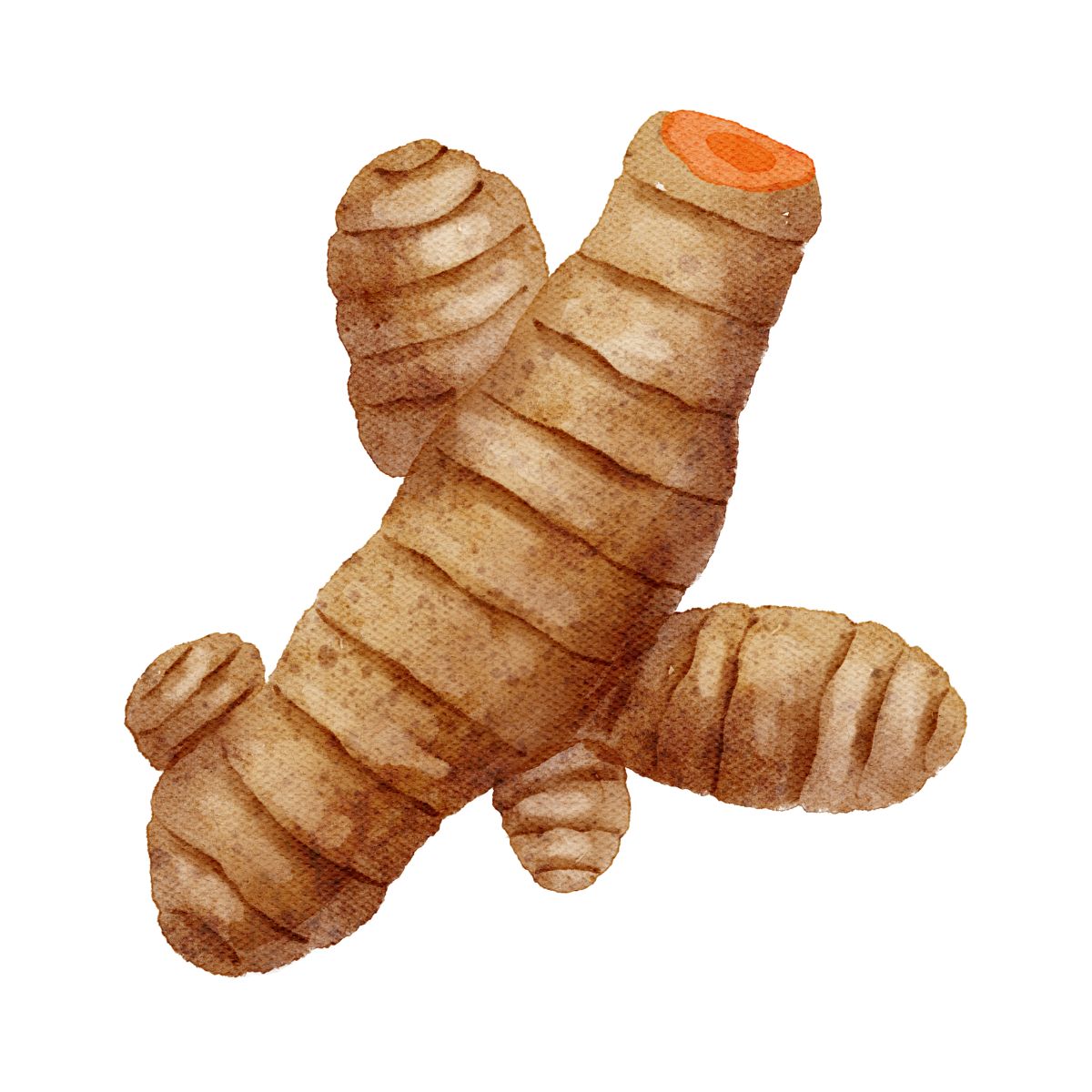
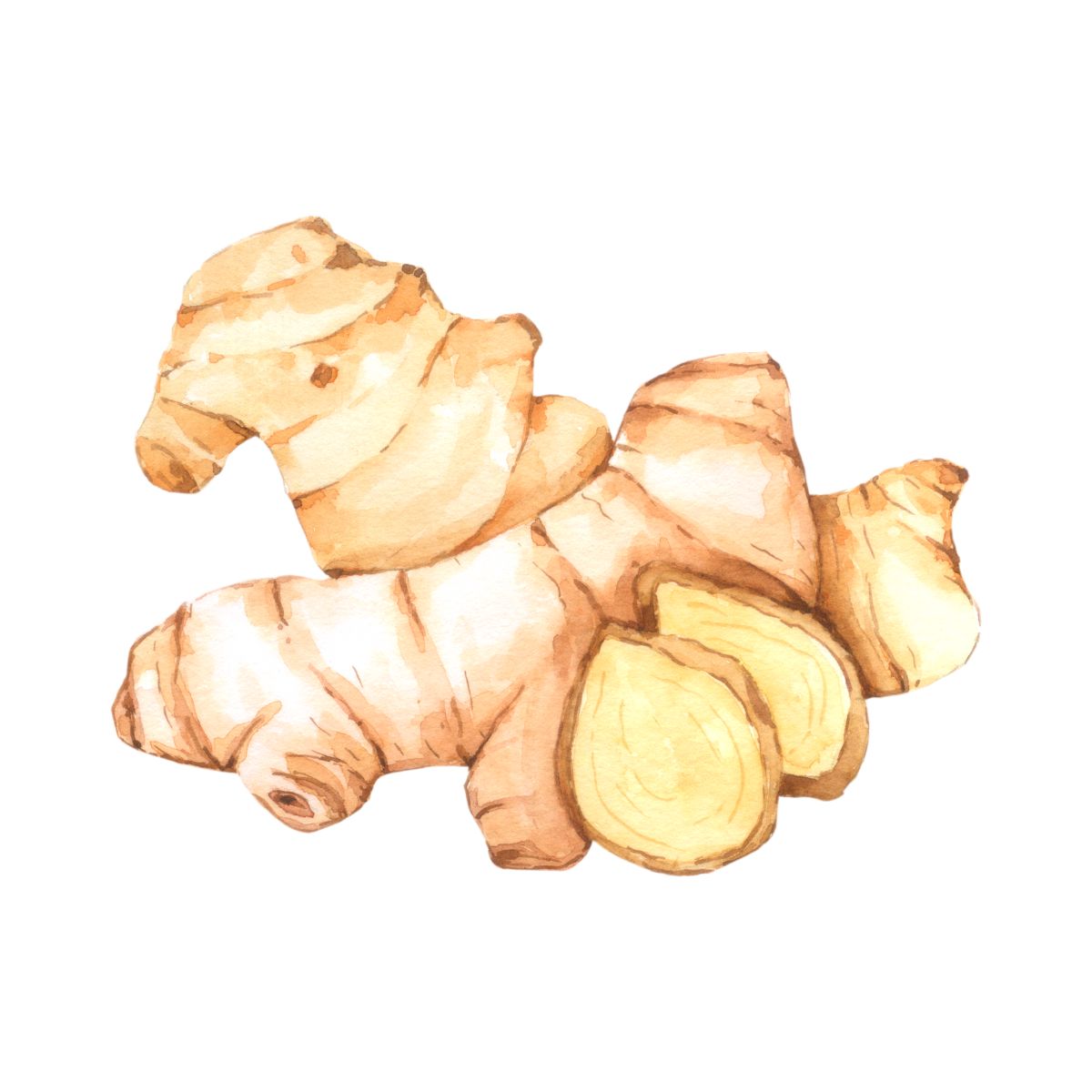
A hot water bottle or a warm bath can be very helpful here. Antispasmodic teas with rosemary or mugwort, or anti-inflammatory ingredients such as ginger or turmeric, would also be the drink of choice at this time. If you suffer from period pain, you may already have a good idea of what can help you.
If the pain is exceptionally severe or lasts for a very long time, do not hesitate to seek medical advice.
Interested in women's health?
Was ovulation pain news to you? If you want to better understand your cycle and support your health naturally, take a look at the Akademie der Naturheilkunde . The Academy offers a comprehensive distance learning course on women's health, that will provide you with valuable knowledge about the female body. In the course, you will learn to better understand the female body as well as typical women's health conditions and individual, holistic, preventive solutions.