



Wissen zu Frauengesundheit
In unserem fenou Magazin Wissen findest du spannende und informative Artikel rund um das Thema Frauengesundheit. Lerne mehr über deine Hormone und mögliche Beschwerden und erhalte die besten Tipps, Erfahrungsberichte und Ideen für deine Gesundheit!
Von Frauen für Frauen, von Expertinnen für Frauengesundheit für dich!
Wähle deinen Themenbereich:
Prevention
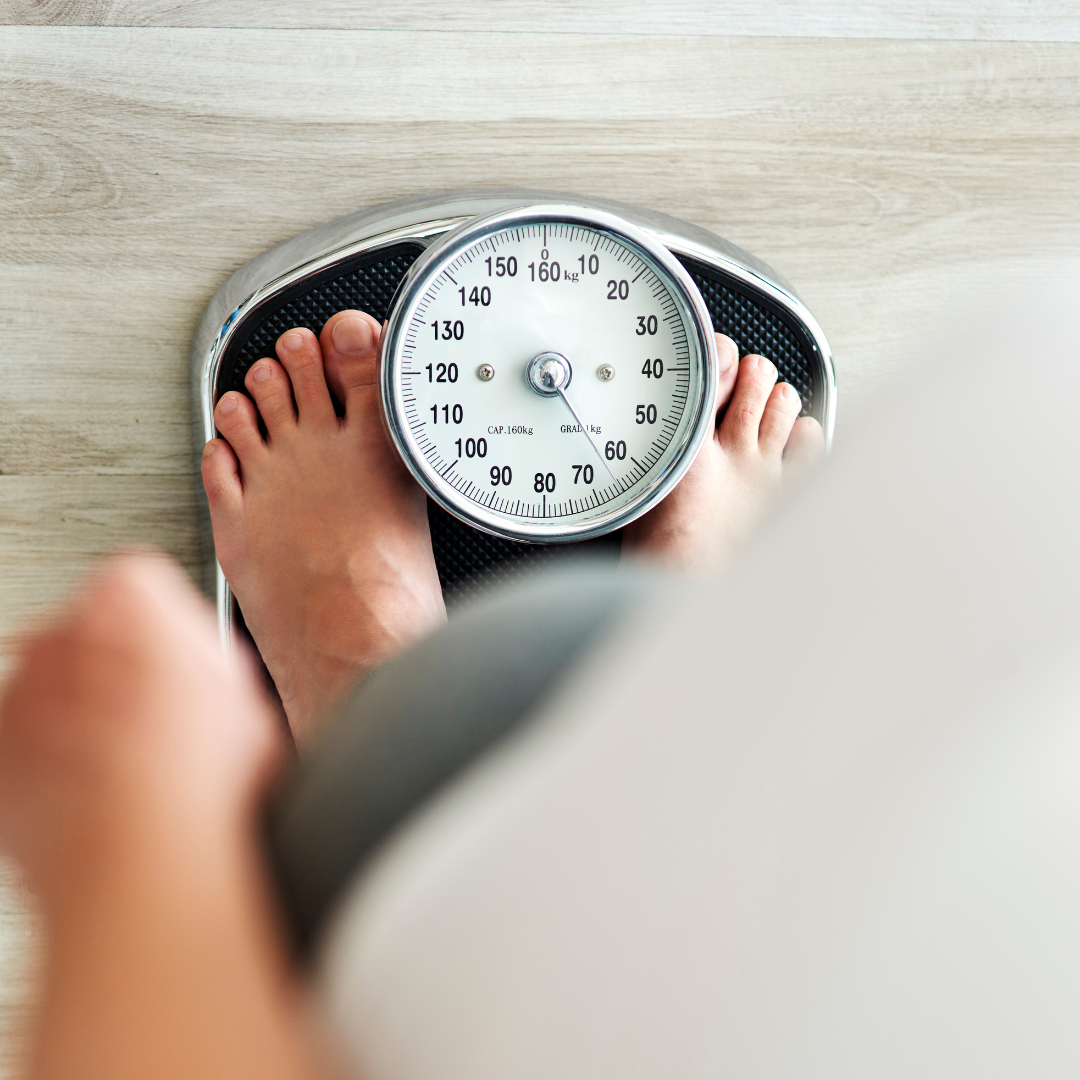
Pille absetzen - Wird sich das Gewicht verändern?
16. January 2024
Wer an die Einnahme oder das Absetzen der Pille denkt, kommt oft nicht daran vorbei, sich die Frage zu stellen, ob die Pille eine Auswirkung auf das Körpergewicht hat. Der Stand der Wissenschaft ist überraschend.
In diesem Artikel erfährst du...
...welchen Einfluss die Einnahme der Pille auf dein Körpergewicht hat.
...wie sich dein Gewicht durch das Absetzen der Pille verändert.
...wie sich hormonelle Schwankungen auf dein Gewicht auswirken.
...wie intuitives und achtsames Essen deine Gesundheit beeinflussen können.
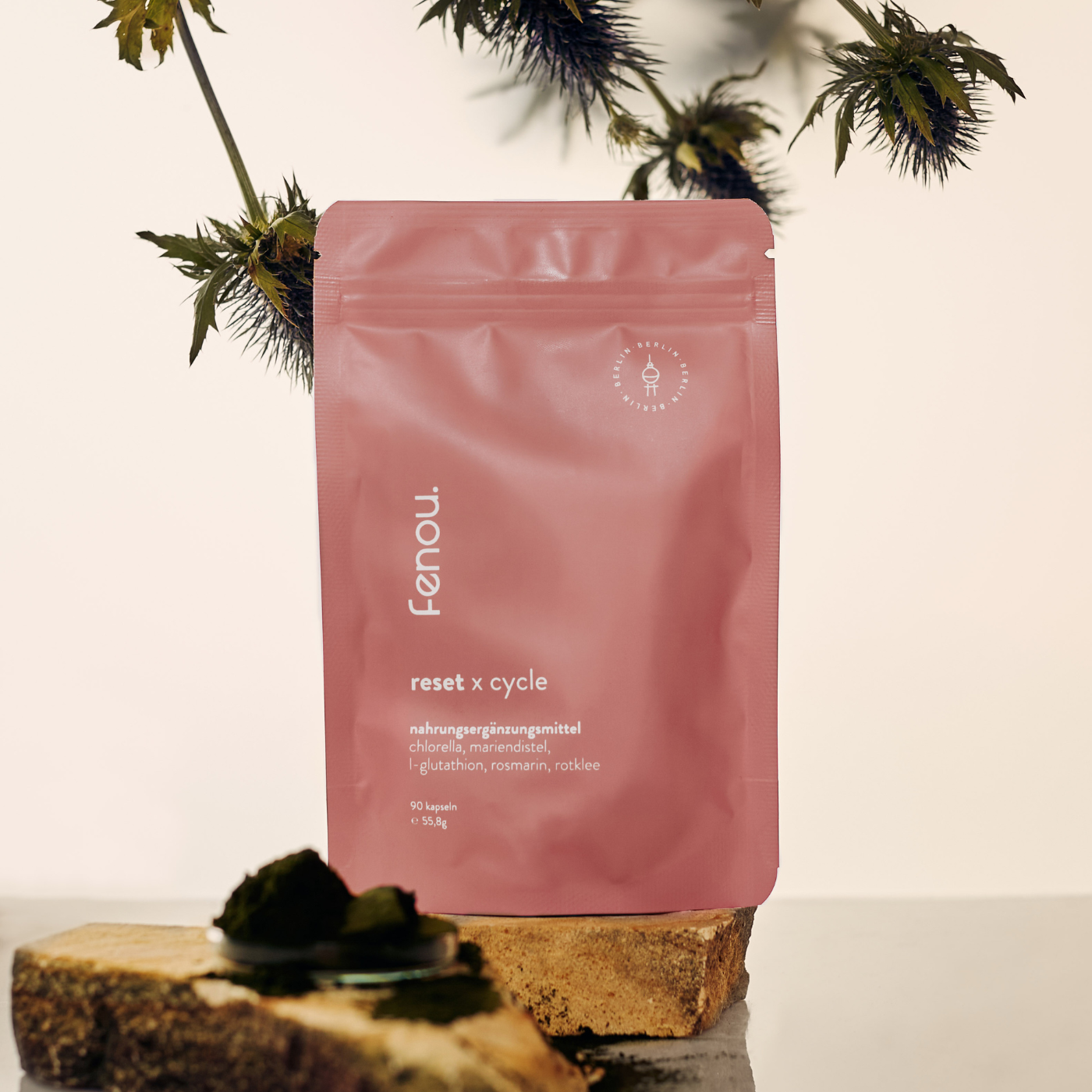
reset - Pille absetzen ohne Nebenwirkungen
08. January 2024
(Anzeige) Du möchtest die Pille absetzen, bist aber unsicher, welche Nebenwirkungen für dich und deinen Zyklus damit verbunden sind? Wie immer ist Wissen der Schlüssel. Denn wenn du gut informiert bist über mögliche Nebenwirkungen, kannst du schon vorab Maßnahmen ergreifen, die deinen Körper unterstützen, damit das Absetzen der Pille für dich ohne lästige Nebenwirkungen verläuft.
In diesem Artikel erfährst du…
…die häufigsten Nebenwirkungen durch das Absetzen der Pille.
…dass die Pille eine Nährstoffräuberin ist und wie du dem entgegenwirken kannst.
…wie reset von fenou dich optimal durch das Absetzen der Pille begleitet
Der Guide zum Pille absetzen
22. January 2022
Zyklusstörungen durch die Pille danach?
30. October 2021
NFP for determining fertility and for contraception
04. August 2021
We frequently discuss the topic of stopping the pill and what can be done afterwards to restore the body's hormonal balance.
Hormonal balance is therefore a really important topic, but what about contraception? Just because the pill or other hormonal contraceptives are no longer being administered to the body does not automatically mean that there is a desire to have children.
Therefore, it is necessary to choose a suitable hormone-free contraceptive method.
Contents
- Overview of hormone-free contraception
- NFP
- What is needed for NFP?
- Observe, document and interpret bodily signs: cervical mucus & temperature
- Natural Family Planning (NFP) for contraception – NFP 101
What options are there? Overview of hormone-free contraception
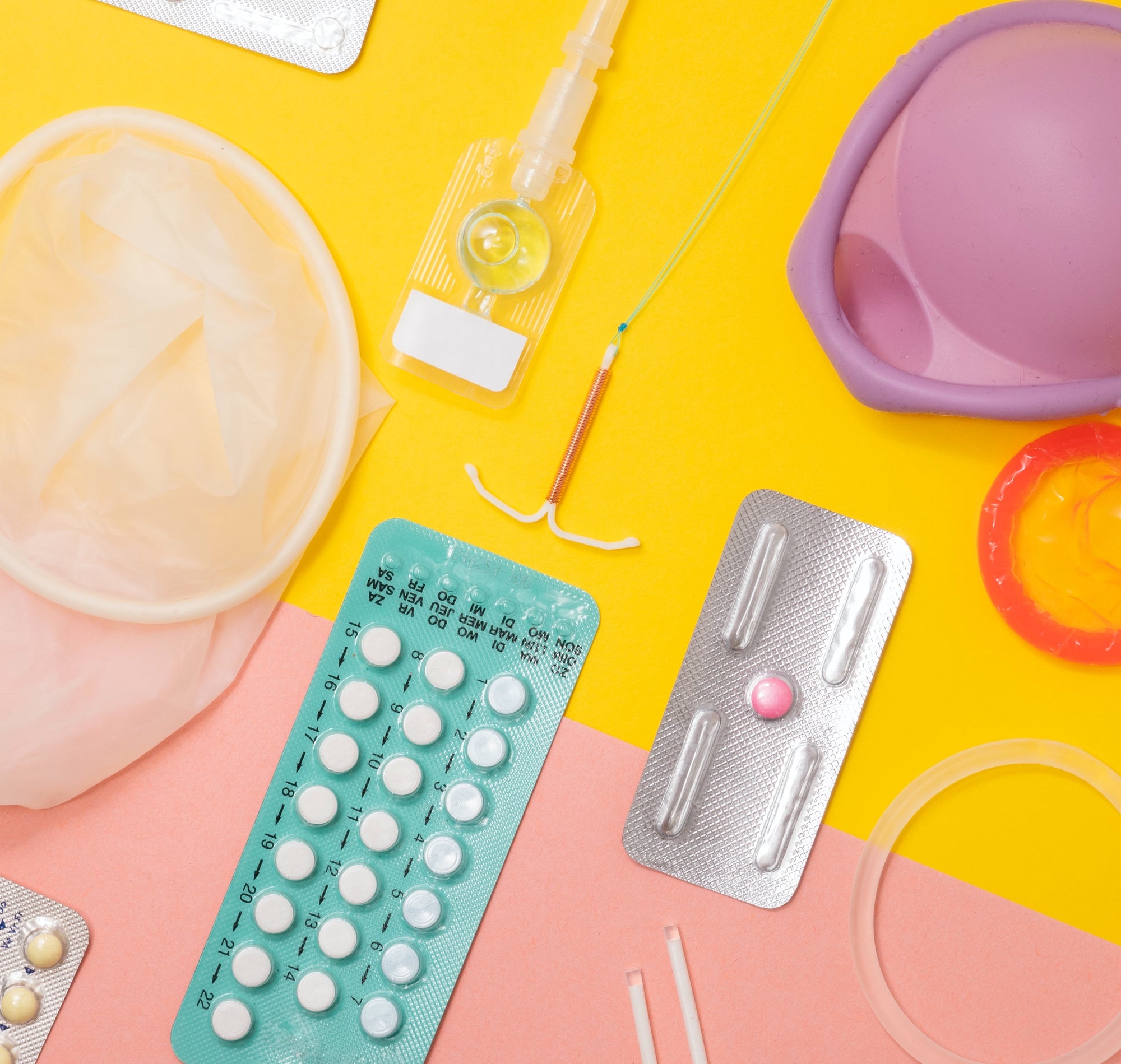
In addition to copper-containing contraceptive methods (copper chain, coil, ball), there are the "mechanical" and the symptothermal contraceptive methods.
Examples of "mechanical" methods include the diaphragm and the cervical cap, which are often used in conjunction with a chemically active contraceptive gel or cream. There are also condoms and female condoms, which are the only contraceptives that can protect against sexually transmitted infections.
Finally, there is the symptothermal method. "Sympto" refers to changes in cervical mucus and body temperature, and "thermal" refers to changes in body temperature.
Of course, one can simply follow the principle of abstinence, although this method is probably the least popular – fair enough.
NFP
This blog post will be about the symptothermal method of contraception, more specifically about NFP - natural family planning.
Family planning and contraception sound like a contradiction? Indeed, the name isn't entirely helpful at first glance. However, once you understand what it entails, it becomes clear why NFP (Natural Family Planning) is also suitable as a method of contraception.
The man's sperm cells can survive in the woman's body for up to 5 days under optimal conditions. The mature egg cell is released after its fertilization. The egg is capable of being fertilized for a maximum of 24 hours, after which it "decays" if fertilization does not occur. Since sperm cells have the ability to wait for the egg for up to five days, this results in a fertile period of 5-6 days per month.
The Natural Family Planning (NFP) method allows for a fairly accurate estimation of this period, also known as the fertile window. This means that, on the one hand, if you are trying to conceive, you can make the most of your predicted fertility to plan a pregnancy. On the other hand, it also means that fertilization can be prevented by ensuring that no sperm cells enter the uterus during the fertile period. Makes sense, right?
But first, some information about NFP and its application.
What is needed? NFP application, materials, equipment
- Thermometer with two decimal places or a cycle computer
- Willingness to engage with one's own body and to learn about the method
- Cycle chart or cycle app to record observed bodily signs
Observe, document, and interpret body language
The focus here is on changes in body temperature and cervical mucus. But other bodily signs, such as changes in the cervix, breasts, and mittelschmerz (mid-cycle pain), also help in perceiving the body and its cyclical changes.
When documenting observations, each person is entirely free to choose how they record them. Some prefer digital methods, while others prefer good old-fashioned paper and pen.
Regardless of the method chosen, day 1 of the cycle is the first day of menstruation, i.e., the start of menstrual bleeding. During this time, the intensity and pain of menstruation can be documented. Incidentally, severe pain is not normal. Read more here.

Cervical mucus
This makes sense three Things to consider:
1. What sensations do I feel at my vaginal opening?
- Does it feel damp or dry?
- Does it perhaps even itch a little, or do I constantly feel like I need to go to the toilet? even though I don't feel the urge to urinate?
2. What does the cervical mucus feel like?
- Is it lumpy, creamy, stretchy like raw egg white, or spinnable?
3. What does it look like?
- Is it yellowish, whitish, glassy, or reddish?
- Is it visible when I wipe the vaginal opening with toilet paper or my finger?
Evaluation:
Dry: infertile -> No mucus; "dry" is a relative term here. It's also possible that nothing is seen or felt at all. This usually occurs after menstruation and/or ovulation.
Sticky: possibly fertile -> white, moist, lumpy to sticky, beginning of the fertile window
Creamy: fertile -> moist and creamy, just before ovulation
protein: highly fertile -> moist and stretchy like raw egg white, possibly with white streaks, around the time of ovulation
When evaluating cervical mucus, it's important to note that its quality is highest around the time of ovulation. What constitutes "best quality" varies from woman to woman. Every woman has her own individual "mucus pattern," which usually repeats cycle after cycle. However, deviations can occur and should simply be recorded.
Once optimal mucus quality has been achieved, it can be assumed that ovulation has taken place or is taking place within +/- 2 days.
temperature
In addition to cervical mucus analysis, basal body temperature is measured in NFP.
There are two temperature levels in the cycle. In the first...In the first half of the menstrual cycle, the body temperature is lower than in the second half. The hormone progesterone, which dominates in the second half of the cycle, is responsible for this temperature increase.
Since progesterone only starts working after ovulation, the temperature increase of 0.2-0.6 °C can be used to determine when ovulation takes place.
Temperature measurement is also two Things that are particularly important: a thermometer with two decimal places and measuring immediately after waking up.

To explain: a simple fever thermometer usually only measures to one decimal place. Therefore, smaller changes cannot be detected. For example: The simple thermometer reads 36.2 °C, which is actually 36.20 °C. The next morning, the temperature is measured again and is 36.3 °C, but this time it is actually 36.39 °C. This means that the temperature has risen by almost 0.2 °C, not 0.1 °C as indicated by the simple fever thermometer.
Additionally, it's important to measure your temperature after waking up and before getting out of bed, as this provides the best comparison values. Physical activity contributes to an increase in body temperature, and it's lowest in the morning before getting up.
Documentation in an app or cycle chart then yields a temperature curve, which can be used to determine ovulation. i.d.R. can be clearly identified.
When documenting measurements, it's important to note any interfering factors. Excessive alcohol consumption, deviations from the normal routine, different measurement times, or illnesses can all affect the temperature reading. Therefore, it's advisable not to rely solely on temperature measurements. Having a backup plan is always better.
Natural Family Planning (NFP) for contraception – NFP 101
How it all works and what's needed is now clear... but what's next?
Especially for beginners using natural family planning (NFP), determining when the fertile phase ends is probably easiest. This becomes clear based on the temperature rise. Before ovulation, the temperature remains relatively consistently low. On the day of ovulation, there is a slight drop in temperature, and on the day after ovulation, the temperature rises, marking the beginning of the second phase of the cycle.
For women who document their cycles using a cycle chart and without a cycle computer or app, there are a few things to keep in mind.
The temperatures of the next three days following the temperature drop are analyzed, as these must also be elevated. The rule is that the temperature of the third temperature reading (point c) after the temperature drop at the presumed ovulation (point 1) must be 0.2 °C higher compared to the day before the temperature drop (point 2). The temperature curve diagram illustrates this. If this rule is not met, one must wait longer for the temperature to rise.

And what about fertility at the beginning of the cycle?
For beginners, the 5-day rule applies. This means the first 5 days can be considered infertile (this falls within the period of menstruation, as this is the first day of the cycle). Once several cycles have been tracked, the fertile window can be estimated more accurately.
Modern cycle tracking apps analyze the data themselves and provide a fertility forecast. However, cervical mucus and other bodily signals should always be taken into account as well.Remember: there's a safety net! Weather apps don't always predict the correct weather either, and a glance out your own window provides reassurance.
Logically, during the fertile window, contraception should either be used with a condom, diaphragm or cervical cap, or no contraception at all. sexual intercourse What is best suited here is something everyone has to decide for themselves.
If natural family planning (NFP) is being considered as a method of contraception, the partner should also be involved. After all, it doesn't just affect the woman. NFP is therefore also referred to as a partner-based method.
This may all sound incredibly complicated. Ultimately, however, NFP offers the opportunity to better understand and get to know your own body. Could there be hormonal imbalances because there hasn't been a temperature rise, or is the body giving other signals that something is wrong?
Sources:
1. Dr. Baur, S., Dr. Frank-Herrmann, P., Dr. Raith-Paula, E., Dr. Sottong, U. (2021), Naturally and Safe, 21st edition, TRIAS
2. Simmons RG, Jennings V. Fertility awareness-based methods of family planning. Best Pract Res Clin Obstet Gynaecol. 2020 Jul;66:68-82. doi: 10.1016/j.bpobgyn.2019.12.003. Epub 2019 Dec 20. PMID: 32169418.
3. Wiesner C. Natural Family Planning. Dtsch Ärztebl Int. 2020 Apr 3;117(14):251. doi: 10.3238/arztebl.2020.0251a. PMID: 32449897; PMCID: PMC7264290.
The effect of the pill on the body
15. June 2021
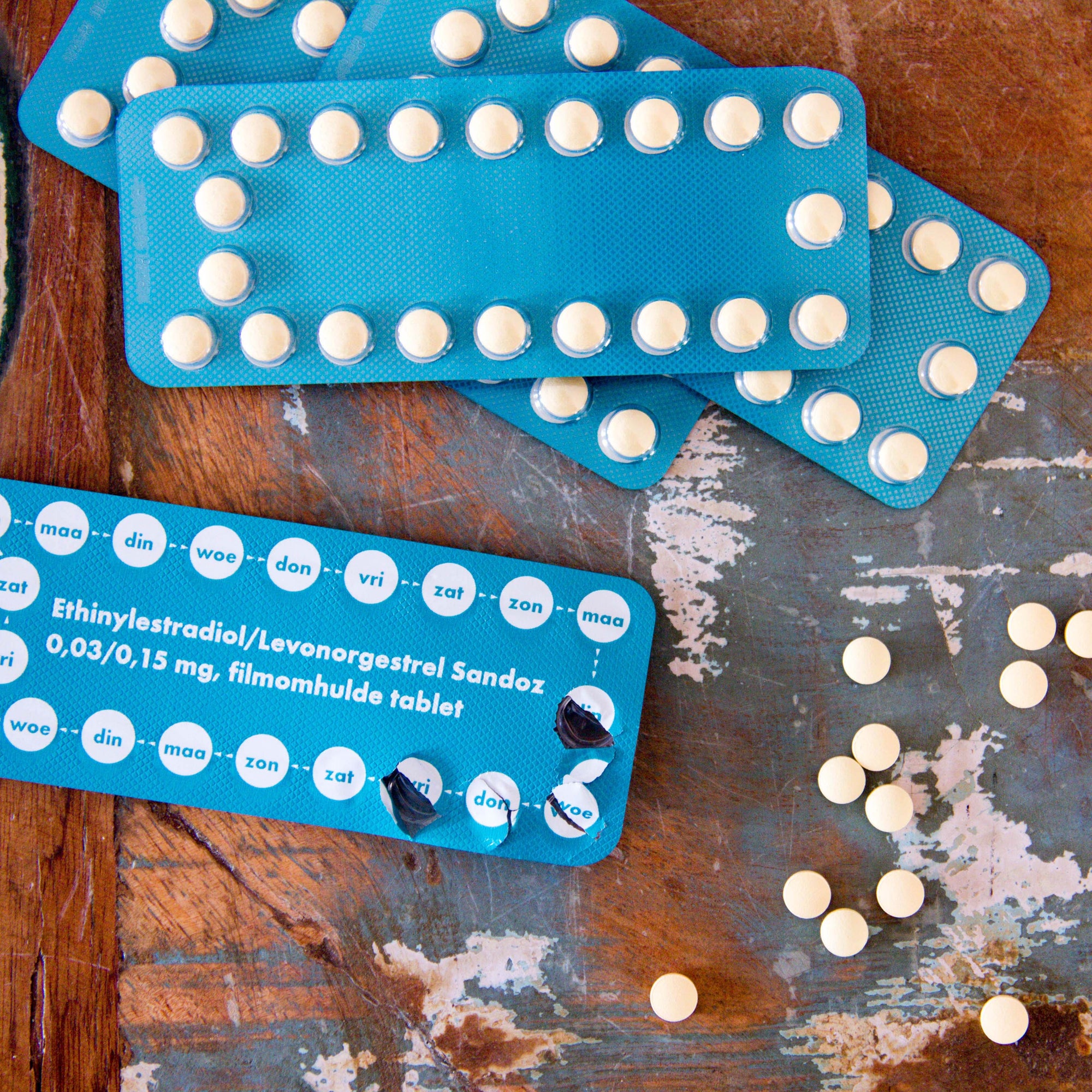
The pill was first introduced to the market in 1960 – initially in the USA, and a year later in Germany.
Undoubtedly, the pill revolutionized women's lives and led to far-reaching social and economic improvements. Women could decide for themselves whether or not they wanted to have children, which positively changed women's lives in many ways.
However, the true negative effects of the pill on the body are often concealed or downplayed.
Every woman is free to use this hormonal contraceptive method and can decide for herself which contraceptive method she uses, which is great!
However, problems arise when decisions are made based on incorrect or insufficient information, perhaps because the gynecologist provided too little explanation. gutefrage.net Fake news has been spread or a game of telephone has gone wrong.
And that's exactly what we want to avoid. With this blog post, we want to provide an overview of how the pill actually works and what negative effects it can have on the body, even when used correctly.
Over 150 side effects...
If you take a look at the package insert of a birth control pill pack, it quickly becomes clear that almost all bodily functions can be affected by this hormonal contraceptive. Just for fun, we glanced at the package insert of a randomly selected pill ("Maxim") and counted the ingredients. We came up with a number of... 155 Possible side effects have come up… 155?! Yes, that's what we thought too.
Addressing everything would be beyond the scope of this discussion, and we'd all be reading until the day after tomorrow. However, we've tried to highlight a few effects that we believe every woman should be aware of before taking the pill.
The hormones in a healthy cycle
To understand what the pill does in the body, we first need to clarify what a healthy hormonal balance actually looks like.
The female hormonal balance is subject to natural fluctuations during a menstrual cycle.
In the first half of the cycle (from the onset of menstruation until approximately day 14 of the cycle), estrogen and testosterone levels rise, causing the egg cells to mature and ovulation to occur.
In this process, the follicle ruptures and transforms into the corpus luteum. During the second half of the cycle, this corpus luteum produces the hormone progesterone, which creates a comfortable environment in the uterus for a potentially fertilized egg. If fertilization does not occur, the uterine lining is shed.a.k.a menstruation occurs) and the cycle begins again.
The cycle is sensitively controlled.
How does the body know when and how much estrogen and progesterone to produce? This works with the help of a feedback system with the brain: If the level of sex hormones is low, the hypothalamus releases the estrogen. Gonadotropin-releasing hormone (GnRH). This stimulates the pituitary gland to release the hormones FSH and LH, which in turn stimulate hormone production in the ovaries.When the level of sex hormones rises, this signals the hypothalamus and pituitary gland to reduce production. This communication between the brain and ovaries is essential to ensure that the correct concentrations of hormones are available at the right time, allowing ovulation and implantation of the egg in the uterus, or the onset of menstruation.
How does the pill work?
The pill typically contains high concentrations of synthetic estrogen and progesterone (progestin).* That might not sound so bad at first, but these little pills really pack a punch. They bind to the same receptors, but unlike natural hormones, they are many times stronger and more aggressive because they are metabolized relatively slowly in the liver. The brain registers this binding and thus suppresses the release of FSH and LH to produce the body's own hormones, since there are already enough hormones present.
The pill stops the natural communication between the brain and the ovaries.
The hormone concentration remains constant throughout the month due to taking the pill, so the natural hormone rhythm no longer exists.
This means: no maturation of the egg cells, no ovulation, no menstruation and therefore no pregnancy.
Wait a minute, no menstruation? But why do women have bleeding during the pill break then?
Menstruation? No, withdrawal bleeding!
This is simply withdrawal bleeding caused by the withdrawal of the administered hormones. It actually serves no purpose and was introduced at the time to give women the feeling of a normal menstrual cycle.
* This description applies to so-called combination pills, which include most pills prescribed in Germany. There are also mini-pills (which do not contain synthetic estrogens) and work somewhat differently, as they do not suppress ovulation.
From when willIs the pill harmful?
So the pill changes the hormonal balance of the female body, so far, so good.
But what's so bad about sex hormones being present in different concentrations than they should be? What harm can these little things possibly do in the body?
Unfortunately, quite a lot, because health depends significantly on whether the overall balance of hormones is maintained. They are produced in various organs (in women, the brain, ovaries, adrenal glands, pancreas, and thyroid) and all influence each other. This means that if one hormone is altered, it can lead to imbalances throughout the body and symptoms that, at first glance, might not even be associated with the pill.
The reason? Hormones are involved in virtually all metabolic processes and have an effect throughout the entire body, in every cell. For example, they are also involved in fat storage, sebum production, and mood, which is why many women notice changes in these areas while taking the pill.
It's impossible to give a general answer as to when exactly side effects from taking the pill will occur. This depends on the specific medication, the individual's tolerance, and of course, their health and lifestyle.
Side effects can occur immediately, but taking the pill can also go on for a long time without any noticeable side effects. Problems arise when side effects creep in but are not perceived as such.
The pill deprives the body of important nutrients.
Because if the pill is good at one thing, it's probably stealing nutrients.
Taking the pill increases the body's need for nutrients (which most people already don't meet), leading to deficiencies. And as if that weren't enough, the pill puts a significant strain on the liver and intestines, further impairing the body's ability to absorb nutrients.
Considering that nutrients are essential for EVERY process in the body, the pill can, in principle, negatively affect EVERY bodily function. Nutrient deprivation contributes significantly to the pill's side effects and exacerbates all other problems triggered by the pill.
Nutrients that are often depleted by the pill: Vitamin C, most B vitamins, Vitamin D3, magnesium, manganese, selenium, iron, iodine and zinc.
The pill promotes inflammation
The pill puts the body under immense stress and triggers inflammatory responses. Women taking the pill show an increase in "C-reactive protein (hs-CRP)," which indicates heightened inflammation in the body.
Inflammation is the root cause of many diseases. It can lead to chronic illnesses, leaky gut, thyroid problems, autoimmune diseases, insulin resistance, diabetes, neurological disorders, increased mortality, and many other symptoms.
The pill and the liver
The liver plays a key role in breaking down toxins such as medications, alcohol, and synthetic hormones. It produces sex hormone-binding globulin (SHBG) to bind excess hormones and render them inactive for the body. SHBG is a transport protein and is particularly responsible for the inactivation of testosterone.
A US study published in "The Journal of Sexual Medicine" found that SHBG levels in women who used the pill were four times higher than in women who had never taken it. Although the levels decreased after discontinuing the pill, they remained significantly elevated even after six months.
It is possible that taking the pill leads to a permanently increased production of SHBG in the liver in some women, resulting in less active testosterone, which in turn can lead to, for example, reduced libido and energy.
The pill and the gut
The birth control pill is a major culprit when it comes to disrupting the gut flora. Several studies show that the synthetic hormones can inflame the digestive tract, potentially leading to conditions like leaky gut. When the gut is permeable, proteins, molecules, and food particles can pass through the intestinal wall. & These substances enter or exit the intestines where they don't belong. The immune system reacts to this with an inflammatory attack, which can lead to further silent inflammation and, in the worst case, to food sensitivities and autoimmune diseases.
The pill and the adrenal glands
Because the pill is highly inflammatory and triggers a stress response in the body, the adrenal glands produce cortisol continuously.And as if that weren't bad enough, the pill also increases so-called "cortisol-binding globulin," which binds to and inactivates cortisol. This allows the inflammation to progress further and trigger even more stress.
The additional deprivation of nutrients can ultimately lead to impaired communication between the brain and the adrenal glands (the HPA axis), resulting in so-called "adrenal fatigue." This, in turn, has been linked to numerous other diseases in a multitude of studies.
Unfortunately, we are exposed to constant stress these days, which is why the pill is of course not the only reason for adrenal fatigue.
Constant screen light, work stress, diets, coffee, etc., also trigger stress reactions in the body. Since the pill acts like a medication, it significantly contributes to a stress response.
The pill and the thyroid gland
The thyroid gland is also an organ that is very frequently affected by the pill. The pill can lead to an increase in the transport protein "thyroxine-binding globulin (TBG)." This binds the free thyroid hormone, making it unavailable to the body. Additionally, the conversion of the inactive thyroid hormone T4 to the active hormone T3 is impaired by the strain on the liver and intestines, as well as by nutrient depletion (z.B. Iodine, selenium or zinc) and also inhibits inflammation.
This means that much less free, active thyroid hormone is available to the body, which is why many women experience hypothyroidism during or after stopping the pill.
And since the thyroid gland is an all-rounder and influences things like mood, energy, menstruation, metabolism (yes, even fat storage), skin and hair, it is not surprising that problems with the thyroid gland can cause a variety of side effects.
The pill and metabolism
As previously described, the pill promotes inflammation. This inflammation can lead to insulin resistance, which in turn is a risk factor for heart disease, stroke, and cancer. Furthermore, the pill increases cholesterol levels, blood pressure, and the risk of blood clots, which can also lead to serious illnesses.
The pill and depression
Hormones have a significant influence on mood: approximately 15% of all mood disorders are hormonally related. Nevertheless, the psychological problems associated with taking the pill are often concealed or dismissed as insignificant. This is despite numerous studies indicating an increased risk of depression, suicide, and other mental health issues in connection with the pill.
This is actually quite logical, because almost all of the side effects of the pill mentioned so far can increase the risk of depression: nutrient deprivation, thyroid and adrenal gland dysfunction, leaky gut, altered microbiome and reduced testosterone levels.
Some studies have also shown that tryptophan metabolism is disrupted by taking the pill. Inflammation can lead to increased cortisol levels, which alters the tryptophan metabolic pathway. Although tryptophan is only a small amino acid, it is essential for the brain, hormones, and mental health. It is converted into serotonin, melatonin, and kynurenic acid, all of which protect the brain.
Conclusion
Reading all of this is probably quite a lot to take in at first, and of course not all women experience noticeable side effects from the pill.
But the fact is:
The pill is a medication, not a lifestyle product to be taken for beautiful skin or larger breasts. All these "positive" side effects only occur because the pill masks the symptoms of the underlying causes, without solving the problems themselves, and in many cases, even exacerbating them. It's important to us to provide information on this topic and give all women the opportunity to make their own informed decision based on all the relevant information regarding the pros and cons. Ultimately, the decision is up to each woman and should be respected.
We would be very happy to receive feedback from you if you have any requests, suggestions, or simply need support!