


The pill was first introduced to the market in 1960 – initially in the USA, and a year later in Germany.
Undoubtedly, the pill revolutionized women's lives and led to far-reaching social and economic improvements. Women could decide for themselves whether or not they wanted to have children, which positively changed women's lives in many ways.
However, the true negative effects of the pill on the body are often concealed or downplayed.
Every woman is free to use this hormonal contraceptive method and can decide for herself which contraceptive method she uses, which is great!
However, problems arise when decisions are made based on incorrect or insufficient information, perhaps because the gynecologist provided too little explanation. gutefrage.net Fake news has been spread or a game of telephone has gone wrong.
And that's exactly what we want to avoid. With this blog post, we want to provide an overview of how the pill actually works and what negative effects it can have on the body, even when used correctly.
Over 150 side effects...
If you take a look at the package insert of a birth control pill pack, it quickly becomes clear that almost all bodily functions can be affected by this hormonal contraceptive. Just for fun, we glanced at the package insert of a randomly selected pill ("Maxim") and counted the ingredients. We came up with a number of... 155 Possible side effects have come up… 155?! Yes, that's what we thought too.
Addressing everything would be beyond the scope of this discussion, and we'd all be reading until the day after tomorrow. However, we've tried to highlight a few effects that we believe every woman should be aware of before taking the pill.
The hormones in a healthy cycle
To understand what the pill does in the body, we first need to clarify what a healthy hormonal balance actually looks like.
The female hormonal balance is subject to natural fluctuations during a menstrual cycle.
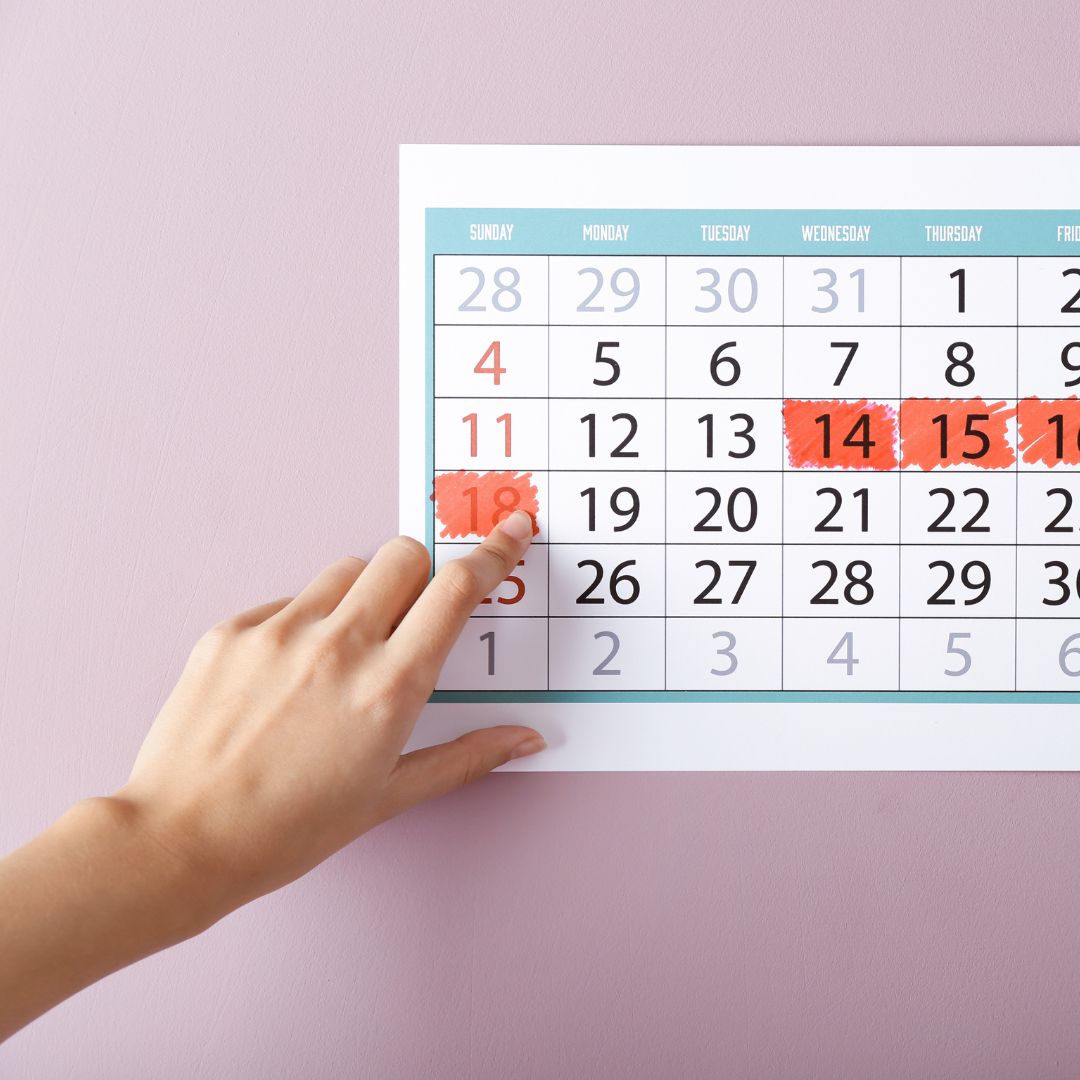
In the first half of the cycle (from the onset of menstruation until approximately day 14 of the cycle), estrogen and testosterone levels rise, causing the egg cells to mature and ovulation to occur.
In this process, the follicle ruptures and transforms into the corpus luteum. During the second half of the cycle, this corpus luteum produces the hormone progesterone, which creates a comfortable environment in the uterus for a potentially fertilized egg. If fertilization does not occur, the uterine lining is shed.a.k.a menstruation occurs) and the cycle begins again.
The cycle is sensitively controlled.
How does the body know when and how much estrogen and progesterone to produce? This works with the help of a feedback system with the brain: If the level of sex hormones is low, the hypothalamus releases the estrogen. Gonadotropin-releasing hormone (GnRH). This stimulates the pituitary gland to release the hormones FSH and LH, which in turn stimulate hormone production in the ovaries.When the level of sex hormones rises, this signals the hypothalamus and pituitary gland to reduce production. This communication between the brain and ovaries is essential to ensure that the correct concentrations of hormones are available at the right time, allowing ovulation and implantation of the egg in the uterus, or the onset of menstruation.
How does the pill work?
The pill typically contains high concentrations of synthetic estrogen and progesterone (progestin).* That might not sound so bad at first, but these little pills really pack a punch. They bind to the same receptors, but unlike natural hormones, they are many times stronger and more aggressive because they are metabolized relatively slowly in the liver. The brain registers this binding and thus suppresses the release of FSH and LH to produce the body's own hormones, since there are already enough hormones present.
The pill stops the natural communication between the brain and the ovaries.
The hormone concentration remains constant throughout the month due to taking the pill, so the natural hormone rhythm no longer exists.
This means: no maturation of the egg cells, no ovulation, no menstruation and therefore no pregnancy.
Wait a minute, no menstruation? But why do women have bleeding during the pill break then?
Menstruation? No, withdrawal bleeding!
This is simply withdrawal bleeding caused by the withdrawal of the administered hormones. It actually serves no purpose and was introduced at the time to give women the feeling of a normal menstrual cycle.
* This description applies to so-called combination pills, which include most pills prescribed in Germany. There are also mini-pills (which do not contain synthetic estrogens) and work somewhat differently, as they do not suppress ovulation.
From when willIs the pill harmful?
So the pill changes the hormonal balance of the female body, so far, so good.
But what's so bad about sex hormones being present in different concentrations than they should be? What harm can these little things possibly do in the body?
Unfortunately, quite a lot, because health depends significantly on whether the overall balance of hormones is maintained. They are produced in various organs (in women, the brain, ovaries, adrenal glands, pancreas, and thyroid) and all influence each other. This means that if one hormone is altered, it can lead to imbalances throughout the body and symptoms that, at first glance, might not even be associated with the pill.
The reason? Hormones are involved in virtually all metabolic processes and have an effect throughout the entire body, in every cell. For example, they are also involved in fat storage, sebum production, and mood, which is why many women notice changes in these areas while taking the pill.
It's impossible to give a general answer as to when exactly side effects from taking the pill will occur. This depends on the specific medication, the individual's tolerance, and of course, their health and lifestyle.
Side effects can occur immediately, but taking the pill can also go on for a long time without any noticeable side effects. Problems arise when side effects creep in but are not perceived as such.
The pill deprives the body of important nutrients.
Because if the pill is good at one thing, it's probably stealing nutrients.
Taking the pill increases the body's need for nutrients (which most people already don't meet), leading to deficiencies. And as if that weren't enough, the pill puts a significant strain on the liver and intestines, further impairing the body's ability to absorb nutrients.
Considering that nutrients are essential for EVERY process in the body, the pill can, in principle, negatively affect EVERY bodily function. Nutrient deprivation contributes significantly to the pill's side effects and exacerbates all other problems triggered by the pill.
Nutrients that are often depleted by the pill: Vitamin C, most B vitamins, Vitamin D3, magnesium, manganese, selenium, iron, iodine and zinc.
The pill promotes inflammation
The pill puts the body under immense stress and triggers inflammatory responses. Women taking the pill show an increase in "C-reactive protein (hs-CRP)," which indicates heightened inflammation in the body.
Inflammation is the root cause of many diseases. It can lead to chronic illnesses, leaky gut, thyroid problems, autoimmune diseases, insulin resistance, diabetes, neurological disorders, increased mortality, and many other symptoms.
The pill and the liver
The liver plays a key role in breaking down toxins such as medications, alcohol, and synthetic hormones. It produces sex hormone-binding globulin (SHBG) to bind excess hormones and render them inactive for the body. SHBG is a transport protein and is particularly responsible for the inactivation of testosterone.
A US study published in "The Journal of Sexual Medicine" found that SHBG levels in women who used the pill were four times higher than in women who had never taken it. Although the levels decreased after discontinuing the pill, they remained significantly elevated even after six months.
It is possible that taking the pill leads to a permanently increased production of SHBG in the liver in some women, resulting in less active testosterone, which in turn can lead to, for example, reduced libido and energy.
The pill and the gut
The birth control pill is a major culprit when it comes to disrupting the gut flora. Several studies show that the synthetic hormones can inflame the digestive tract, potentially leading to conditions like leaky gut. When the gut is permeable, proteins, molecules, and food particles can pass through the intestinal wall. & These substances enter or exit the intestines where they don't belong. The immune system reacts to this with an inflammatory attack, which can lead to further silent inflammation and, in the worst case, to food sensitivities and autoimmune diseases.
The pill and the adrenal glands
Because the pill is highly inflammatory and triggers a stress response in the body, the adrenal glands produce cortisol continuously.And as if that weren't bad enough, the pill also increases so-called "cortisol-binding globulin," which binds to and inactivates cortisol. This allows the inflammation to progress further and trigger even more stress.
The additional deprivation of nutrients can ultimately lead to impaired communication between the brain and the adrenal glands (the HPA axis), resulting in so-called "adrenal fatigue." This, in turn, has been linked to numerous other diseases in a multitude of studies.
Unfortunately, we are exposed to constant stress these days, which is why the pill is of course not the only reason for adrenal fatigue.
Constant screen light, work stress, diets, coffee, etc., also trigger stress reactions in the body. Since the pill acts like a medication, it significantly contributes to a stress response.
The pill and the thyroid gland
The thyroid gland is also an organ that is very frequently affected by the pill. The pill can lead to an increase in the transport protein "thyroxine-binding globulin (TBG)." This binds the free thyroid hormone, making it unavailable to the body. Additionally, the conversion of the inactive thyroid hormone T4 to the active hormone T3 is impaired by the strain on the liver and intestines, as well as by nutrient depletion (z.B. Iodine, selenium or zinc) and also inhibits inflammation.
This means that much less free, active thyroid hormone is available to the body, which is why many women experience hypothyroidism during or after stopping the pill.
And since the thyroid gland is an all-rounder and influences things like mood, energy, menstruation, metabolism (yes, even fat storage), skin and hair, it is not surprising that problems with the thyroid gland can cause a variety of side effects.
The pill and metabolism
As previously described, the pill promotes inflammation. This inflammation can lead to insulin resistance, which in turn is a risk factor for heart disease, stroke, and cancer. Furthermore, the pill increases cholesterol levels, blood pressure, and the risk of blood clots, which can also lead to serious illnesses.
The pill and depression
Hormones have a significant influence on mood: approximately 15% of all mood disorders are hormonally related. Nevertheless, the psychological problems associated with taking the pill are often concealed or dismissed as insignificant. This is despite numerous studies indicating an increased risk of depression, suicide, and other mental health issues in connection with the pill.
This is actually quite logical, because almost all of the side effects of the pill mentioned so far can increase the risk of depression: nutrient deprivation, thyroid and adrenal gland dysfunction, leaky gut, altered microbiome and reduced testosterone levels.
Some studies have also shown that tryptophan metabolism is disrupted by taking the pill. Inflammation can lead to increased cortisol levels, which alters the tryptophan metabolic pathway. Although tryptophan is only a small amino acid, it is essential for the brain, hormones, and mental health. It is converted into serotonin, melatonin, and kynurenic acid, all of which protect the brain.
Conclusion
Reading all of this is probably quite a lot to take in at first, and of course not all women experience noticeable side effects from the pill.
But the fact is:
The pill is a medication, not a lifestyle product to be taken for beautiful skin or larger breasts. All these "positive" side effects only occur because the pill masks the symptoms of the underlying causes, without solving the problems themselves, and in many cases, even exacerbating them. It's important to us to provide information on this topic and give all women the opportunity to make their own informed decision based on all the relevant information regarding the pros and cons. Ultimately, the decision is up to each woman and should be respected.
We would be very happy to receive feedback from you if you have any requests, suggestions, or simply need support!