


Did you think acne was just a part of puberty? Unfortunately, that is a widespread myth. In fact, up to 54% of all women over 25 suffer from acne at some point in their lives [1] – and this number continues to rise. While teenage acne usually disappears at the end of puberty, adult acne can affect women well into their forties and beyond.
Adult acne differs fundamentally from teenage acne. It typically appears on the lower part of the face – on the chin, along the jawline, and on the neck – and is often deeper, more painful, and more persistent. Many women feel helpless when acne suddenly reappears at 30, 35, or 40, even though they thought they had left those days far behind.
Adult acne has complex causes that go far beyond the simple hormonal fluctuations of puberty. Stress, hormonal imbalances, diet, improper skincare, and modern environmental factors all play a role.
Adult Acne in Women: The Real Causes and How to Successfully Treat Hormonal Acne
The good news: adult acne is treatable if you understand the underlying causes and take a holistic approach. In this article, you will learn everything about the real triggers of adult acne and how to finally achieve clear skin again.
Contents:
What is adult acne and how can I recognize it?
The 7 main causes of adult acne in women
Understanding hormonal connections
Professional treatment options
When which treatment makes sense
Prevention strategies for long-term clear skin
Note: This article is for informational purposes only and does not replace professional dermatological advice. If you have persistent or severe skin problems, please consult a doctor.
What is adult acne and how can I recognize it?
Adult acne, also known as late-onset acne, refers to acne that appears or persists after the age of 25. It affects both women who had acne during their youth and those who are affected by it for the first time in adulthood. The latter is known as "late-onset acne" and is particularly frustrating for those affected.
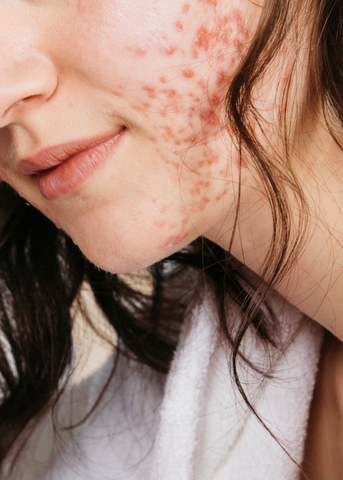
The typical location of adult acne differs significantly from teenage acne. While teenage acne mainly appears in the T-zone (forehead, nose, chin), adult acne is usually concentrated on the lower part of the face. The chin, jawline, neck, and sometimes the back and chest are particularly commonly affected.

Lesions in adult acne are often deeper and more inflamed than in teenage acne. Typical are painful nodules and cysts under the skin that do not open as easily and take longer to heal. These deep inflammations are more likely to lead to scarring and often leave dark spots (post-inflammatory hyperpigmentation).
Another characteristic feature of adult acne is its cyclical occurrence. Acne often worsens in the days before menstruation and can improve or worsen dramatically during pregnancy or hormonal changes.
The severity of adult acne ranges from isolated pimples to severe acne. While mild forms often only involve a few blackheads and occasional pimples, severe adult acne can significantly impair self-confidence and requires professional treatment.
For many menstruating women, the combination of acne with the first signs of skin aging is particularly distressing. Of course, wrinkles and loss of elasticity are completely normal processes. But when you are also fighting acne, it can still be frustrating despite all self-acceptance.
The 7 main causes of adult acne in women

1. Hormonal fluctuations: The most common trigger
Hormonal fluctuations are the main cause of adult acne in menstruating women. During the menstrual cycle, estrogen levels drop in the second phase of the cycle, while progesterone and androgen levels rise. This shift leads to increased sebum production and clogged pores.
The perimenopause and postmenopause are particularly critical life stages, when estrogen levels drop permanently. Without the protective effect of estrogen, male hormones (androgens), which are also naturally present in women, dominate. This explains why many women suddenly develop acne again between the ages of 40 and 50.
Pregnancy and breastfeeding also bring drastic hormonal changes. During pregnancy, the skin may initially improve, but after birth, acne flare-ups often occur due to the drop in hormones.
2. Stopping the pill: Post-pill acne syndrome
Stopping the birth control pill is one of the most common causes of suddenly appearing adult acne. Many pills have an anti-androgenic effect and suppress the body's own hormone production. When you stop taking it, the body first has to find its natural hormonal balance again.
This transition can take 6–12 months and often leads to increased acne, even if you did not have skin problems before taking the pill.
People who have taken the pill for many years or those with a genetic predisposition to acne are particularly affected. A gradual reduction of the pill dose or supplementation with nutrients that support the skin and hormonal system can help ease the transition.
3. Stress and cortisol: The modern acne trigger
Chronic stress is a major trigger for adult acne. Stress leads to the release of cortisol, the body's own stress hormone. Elevated cortisol levels increase inflammation in the skin and stimulate the sebaceous glands.
In addition, stress negatively affects the other hormones. It can destabilize blood sugar levels, impair thyroid function, and throw sex hormones out of balance. These complex interactions explain why stress often leads to persistent acne.
Modern stressors such as constant availability, lack of sleep, time pressure, and emotional stress are often chronic and lead to a permanently elevated cortisol level – a factor contributing to why adult acne is more common today than in the past.
4. PCOS and insulin resistance
Polycystic ovary syndrome (PCOS) affects about 10% of all women of childbearing age and is a common cause of persistent acne. PCOS is often associated with elevated androgen levels, which directly lead to increased sebum production and acne.
Insulin resistance, which often accompanies PCOS, exacerbates the problem. High insulin levels stimulate the production of IGF-1 (Insulin-like Growth Factor), which activates the sebaceous glands and promotes inflammation.
Even without PCOS, insulin resistance can lead to acne. It develops gradually through an unhealthy diet, lack of exercise, and stress, and affects many women today without them realizing it.
5. Diet: Dairy products and high glycemic index
The link between diet and acne is well-established scientifically. Dairy products contain natural hormones and bioactive molecules that can stimulate sebum production. Skim milk seems to be particularly problematic compared to whole milk [2].
Foods with a high glycemic index (white bread, sweets, processed snacks) cause blood sugar to rise quickly. This leads to insulin spikes, which in turn stimulate IGF-1 and androgens. A diet high in refined carbohydrates can thus contribute to chronic acne.
A lack of anti-inflammatory nutrients such as omega-3 fatty acids or antioxidants can also promote the development of acne. The typical Western diet is often low in these protective substances.
6. Improper skincare: Over-care and comedogenic ingredients
Too intensive skincare can worsen acne. Excessive cleansing, exfoliating, or using too many products can damage the skin barrier and promote inflammation. The skin then reacts with increased sebum production.
Comedogenic ingredients in cosmetics can clog pores. These include certain oils (such as coconut oil), heavy creams, and some silicones. Even seemingly harmless products such as hair care products can trigger acne when they come into contact with the facial skin.
Another factor is choosing the wrong product for your age. Many women use anti-aging products that are too rich or irritating for their sensitive, acne-prone skin.
7. Environmental factors: Air pollution and masks
Air pollution is an increasingly recognized factor in the development of adult acne. Fine dust and other pollutants can clog pores and trigger oxidative stress in the skin, which promotes inflammation.
Wearing face masks for extended periods, e.g., in medical professions or in cosmetics, can lead to "maskne." The combination of moisture, friction, and reduced air circulation creates ideal conditions for bacterial growth and clogged pores.
Other environmental factors such as dry heated air, air-conditioned rooms, or spending a lot of time in urban areas can also stress the skin and contribute to acne.
Understanding hormonal connections

Androgens and sebum production
Androgens, the "male" hormones, are the key factor in the development of acne. Women also produce androgens in their ovaries and adrenal glands. The most important androgen for acne development is dihydrotestosterone (DHT), which is formed from testosterone [3].
DHT binds to receptors in the sebaceous glands and stimulates the production of sebum. At the same time, the composition of the sebum changes – it becomes thicker and can clog pores more easily. This clogging is the first step in the development of acne.
The sensitivity of the sebaceous glands to androgens is partly genetic. This explains why some women develop acne despite normal hormone levels, while others have clear skin despite elevated androgen levels.
Estrogen-progesterone balance
Estrogen has a protective effect on the skin. It reduces sebum production, promotes collagen formation, and has anti-inflammatory properties. A relative estrogen deficiency, such as that occurring in the second half of the cycle or during menopause, can therefore lead to acne.
Progesterone, on the other hand, has a slightly androgenic effect and can increase sebum production. However, natural progesterone is less problematic than synthetic gestagens in some contraceptives, which can have strong androgenic effects [4].
The ratio between estrogen and progesterone is more important than the absolute hormone levels. Estrogen dominance (too much estrogen relative to progesterone) can paradoxically also lead to skin problems, as it affects other hormone axes.
Thyroid hormones
Thyroid dysfunction is common in menstruating women and can indirectly contribute to acne. Hypothyroidism slows down the metabolism and can lead to hormonal imbalances. Insulin resistance is also exacerbated by thyroid problems.
Hyperthyroidism, on the other hand, can lead to increased stress and cortisol release. Both conditions can impair skin health and should be investigated in cases of persistent acne.
Insulin and IGF-1
Insulin and insulin-like growth factor 1 (IGF-1) play a central role in the modern acne epidemic. Chronically elevated insulin levels, as seen in insulin resistance, directly stimulate the sebaceous glands and promote inflammation.
IGF-1 also amplifies the effect of androgens on the skin. This explains why a diet with a high glycemic index and frequent insulin spikes can lead to acne, even if sex hormones are normal.
The regulation of insulin levels through diet and lifestyle is therefore an important component of acne therapy that is often overlooked.
Holistic treatment approaches
Dietary changes: Anti-inflammatory diet
An anti-inflammatory diet forms the foundation of holistic acne treatment. You can reduce foods with a high glycemic index such as white bread, sweets, and processed snacks. Instead, choose complex carbohydrates, whole grains, and vegetables that keep blood sugar stable.
Cutting out dairy products for 6–8 weeks can lead to significant improvement in many people with acne. If you do not want to cut them out completely, you can first reduce the amount and observe your skin's reaction. Plant-based alternatives such as almond, oat, or coconut milk are good options.
Omega-3 fatty acids from flaxseed or walnuts have anti-inflammatory effects and can reduce acne inflammation. Antioxidant-rich foods such as berries, leafy green vegetables, and colorful vegetables protect the skin from oxidative stress.
Probiotic foods such as kefir, sauerkraut, or kimchi support gut health, which is closely linked to skin health. A healthy gut microbiome can reduce inflammation and improve nutrient absorption.

Stress management: Meditation, exercise, sleep hygiene
Effective stress management is essential for acne treatment. Regular meditation, even just 10 minutes a day, can lower cortisol levels and improve skin health. Apps or guided meditations make it easier to get started.
Exercise is an excellent stress buffer, but pay attention to your skincare afterward. It is best to shower after working out with a clean towel and change your workout clothes regularly. Sweat alone does not cause acne, but in combination with bacteria and clogged pores, it can exacerbate problems.
Quality sleep is essential for hormone regulation. 7–9 hours of sleep help regulate cortisol and promote skin regeneration. A consistent bedtime routine and avoiding screen time before bed are not only beneficial for your skin health
Regularly practiced breathing techniques, yoga, or progressive muscle relaxation can also help lower stress levels.
Targeted skincare: Ingredients for mature acne-prone skin
Skincare for adult acne requires a balanced approach. Salicylic acid (BHA) is ideal for cleansing pores and also has a gentle exfoliating effect. Start with low concentrations (0.5–1%) and increase gradually.
Niacinamide (vitamin B3) is a multi-talent: it regulates sebum production, has anti-inflammatory properties, and can also reduce early signs of skin aging. A concentration of 5–10% is usually optimal.
Retinol or retinoids are the gold standard for acne and anti-aging. They promote cell renewal, prevent clogged pores, and stimulate collagen production. Start with low concentrations and use them only in the evening.
Pay attention to gentle, pH-neutral cleansing. Excessive scrubbing or aggressive exfoliating can irritate the skin and promote inflammation. Double cleansing with oil followed by a mild cleansing gel thoroughly removes makeup and sunscreen.
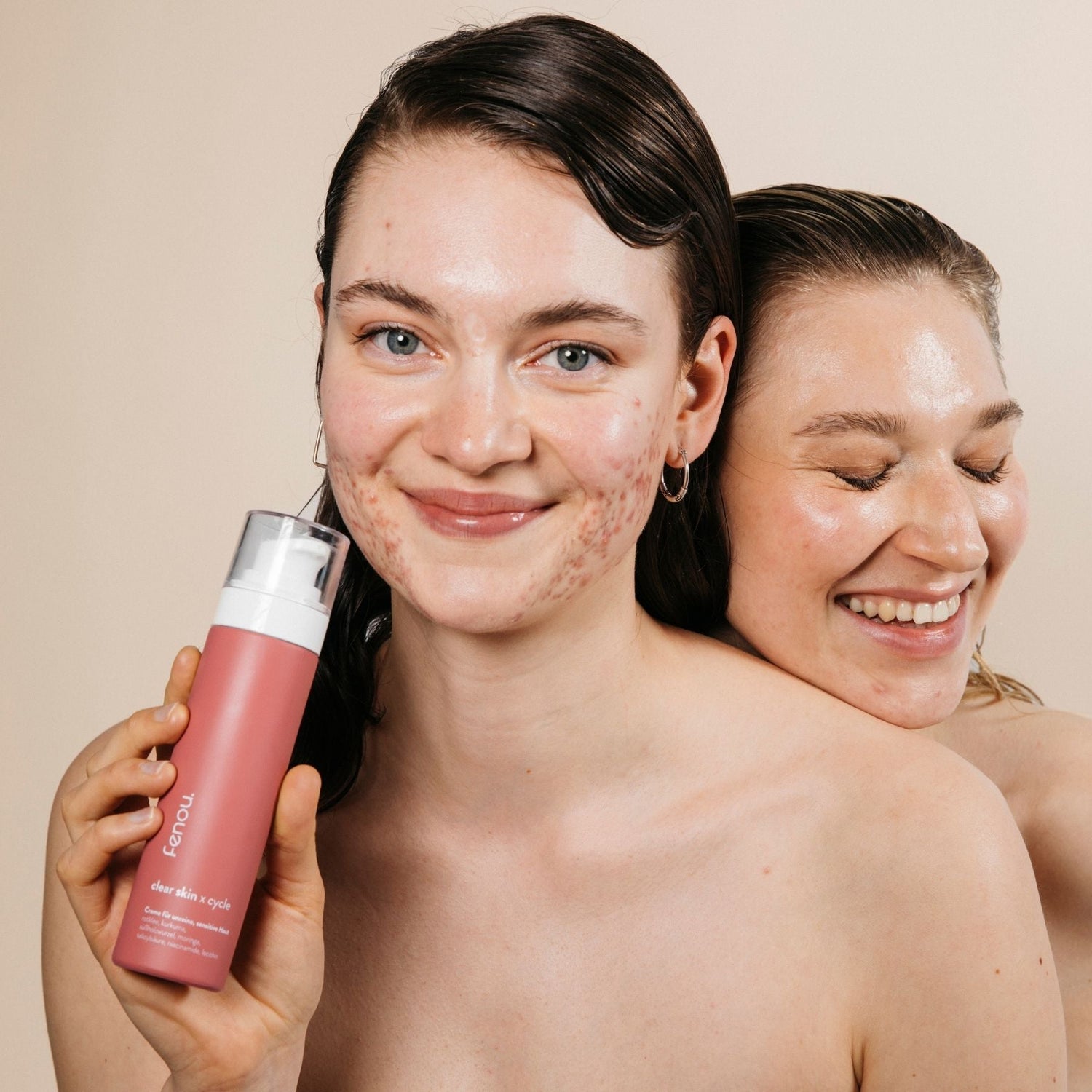
Our clear skin x cycle series for facial skin has been developed with skin health specialists and, with its innovative formulation, is aimed at a healthy skin barrier and strengthening the skin's regenerative capacity. Anti-inflammatory, soothing ingredients relieve acute symptoms, the OLT (R)- technology provides long-term skin strengthening, and plant extracts actively target the DHT concentration in the sebaceous glands. Be sure to visit the product page for more information!

Supplementation: Zinc, omega-3, probiotics
Zinc is a proven supplement for acne. It has anti-inflammatory and antibacterial effects and regulates hormone production.
High doses of omega-3 fatty acids can reduce inflammation and strengthen the skin barrier. Look for quality products without heavy metal contamination.
Probiotics support the gut-skin axis. Studies show that certain bacterial strains such as Lactobacillus acidophilus can improve acne. A 3-6 month course may be beneficial.
Vitamin D is often overlooked, but it is important for the immune function of the skin.
Hormone Balance: Natural Regulation
Adaptogenic plants such as maca, ashwagandha, or rhodiola are helpful for natural hormone regulation. They support the adrenal glands and can help lower stress levels.
Chasteberry (Vitex agnus-castus) can help with cycle-related acne by balancing the ratio of estrogen to progesterone. The effects usually occur after 3-6 months.
Spearmint tea has mild anti-androgenic properties and can improve acne with 2 cups daily. The effect is mild, but has few side effects [5].
Regular exercise, sufficient sleep, and stress reduction are the most important natural hormone regulators. These lifestyle factors often have a greater impact than any supplement.
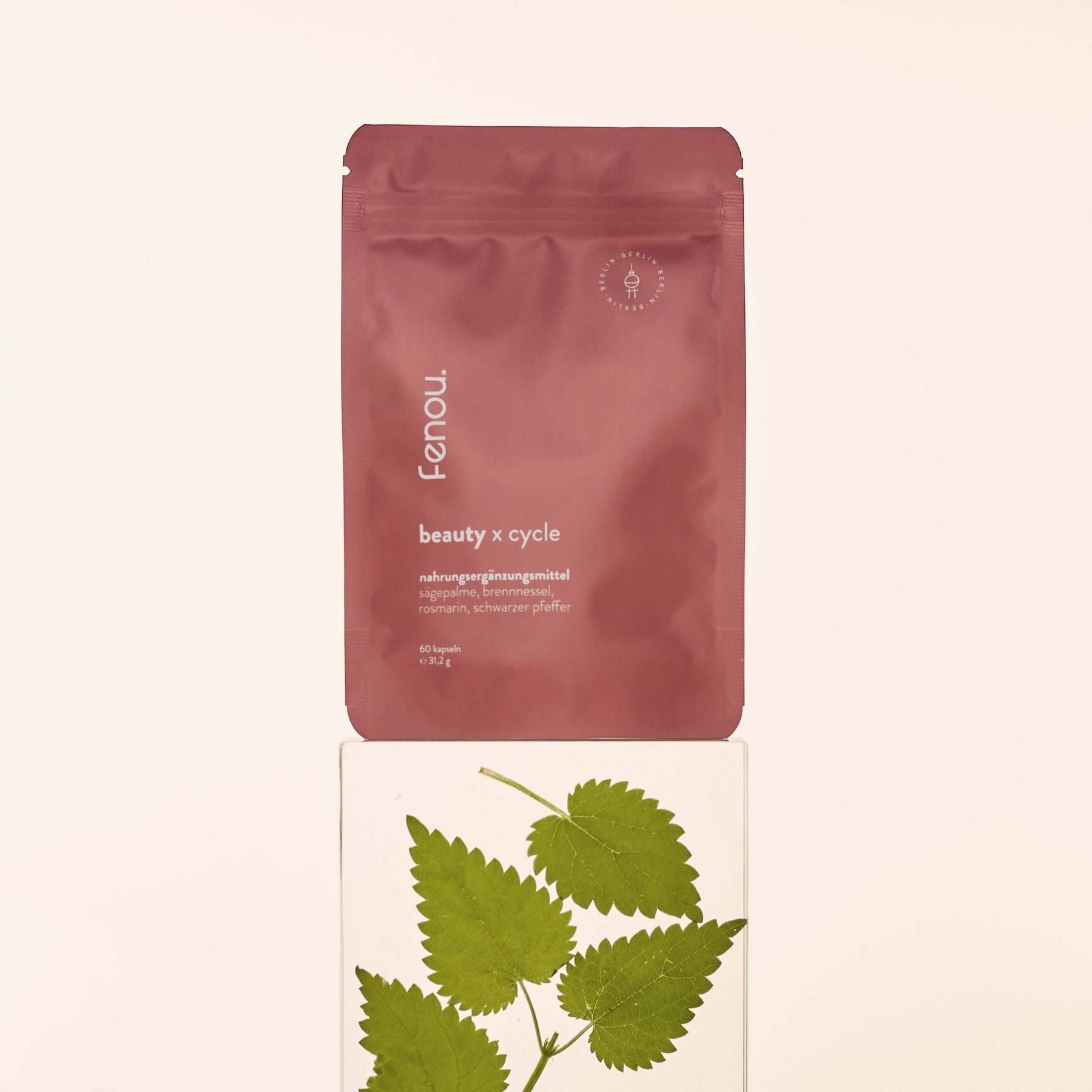
We specifically developed our product beauty x cycle for hormonally caused skin and hair issues associated with the effects of DHT. beauty has already helped thousands of women relieve their symptoms in a completely natural way. Try it for yourself, we offer you a 100-day money-back guarantee.


Professional Treatment Options
Dermatological Therapies
For severe or persistent adult acne, dermatological help is essential. Topical retinoids such as tretinoin or adapalene are significantly more effective than over-the-counter alternatives and can be specifically prescribed.
Antibiotics are used for inflammatory acne, but should not be used long-term. Combining them with probiotics can reduce side effects on the gut flora.
For severe cases, isotretinoin (Roaccutan) can be an option, but it requires close medical supervision and is subject to strict requirements for women of childbearing age.
Hormone Therapy vs. Natural Alternatives
Anti-androgenic contraceptives can be very effective for hormonal acne. Preparations with cyproterone acetate or drospirenone have an anti-androgenic effect and can significantly improve acne. However, a thorough cost-benefit analysis should be carried out here, because taking the pill is associated with a variety of side effects and risks
Spironolactone is a medication that was originally developed as a blood pressure medication, but also has anti-androgenic properties. It can be very effective in adult women with hormonal acne.
Natural alternatives take longer to show visible results, but have fewer side effects. The combination of dietary changes, stress management, and targeted supplements can be very successful with consistent application.
When Which Treatment Makes Sense
Mild acne with a few pimples can often be successfully treated with topical treatments and lifestyle changes. For moderate acne with regular inflammation, professional help should be sought.
Severe or cystic acne, acne with scarring, or psychologically distressing acne always require dermatological treatment. The earlier it is treated, the better the chances of success and the lower the risk of scarring.

Prevention Strategies for Long-Term Clear Skin
Lifestyle Factors
Long-term clear skin requires a holistic lifestyle approach. Regular meals with a low glycemic index stabilize insulin levels and reduce inflammation. Avoid crash diets or extreme diets that can disrupt the hormone balance.
Stress management should become part of your daily routine. Develop strategies for dealing with stress and schedule conscious relaxation times. Chronic stress is one of the most persistent acne triggers.
Sufficient exercise, but not overly intense, supports the hormone balance. Yoga, swimming, or moderate strength training are ideal. Extreme sports can be counterproductive due to increased cortisol release.
Regular Skincare Routine
Less is often more – only use the products your skin really needs. A gentle cleanse morning and evening, a targeted treatment, and a light moisturizer with sunscreen are usually enough.
Keep a skin diary to identify triggering factors. Note when the acne appears, what you ate, what products you used, and how your stress level was. Patterns often only become visible after a few weeks.
Be patient – skin changes need at least 6-12 weeks to become visible. Do not constantly change products or strategies, but give each approach enough time.
Hormone Monitoring
If in doubt, you can have your hormones checked regularly, e.g. if you are over 35 or have a family history of hormone disorders. Important values are testosterone, DHEA-S, estrogen, progesterone, thyroid hormones, and insulin.
Monitor your cycle and note changes. Apps can help identify patterns and correlate hormonal fluctuations with skin changes.
If problems persist despite consistent treatment, you should consult an endocrinologist. Sometimes there are underlying hormone disorders that require special treatment.

Conclusion: Adult acne is complex, but treatable
Adult acne is frustrating, but with the right understanding of the causes and a holistic approach, it is very treatable. The key is to identify individual triggers and treat them consistently.
Start with lifestyle changes – diet, stress, and skincare – and be patient. In severe cases or if there is no success, do not hesitate to seek professional help. Your skin and self-confidence will thank you.
For persistent or severe skin problems, please consult a dermatologist. This article does not replace medical advice.