


Pain potentially as severe as that associated with cancer is something no one wants to suffer, right? Yet around 40% of all menstruating people experience it every month over the course of their lives: today we are talking about cyclical female breast pain.
Your breasts hurt before your period—what could it be?
Cyclical mastalgia is the term for female breast pain that can be clearly linked to the menstrual cycle. It usually occurs on both breasts 1–2 weeks before menstruation begins, is most severe around the first day of bleeding, and then subsides during menstruation. As if pain weren't enough, hormonal fluctuations can also cause breast swelling, tenderness, and lumps. Menstruating people aged 30 to 55 are particularly affected.
Why do my breasts hurt?
The exact cause of the severe pain has not yet been conclusively established. It is linked to hormonal fluctuations throughout the menstrual cycle. Under the influence of hormones, breast tissue grows. However, the evidence is mixed for the common theory that the breast tissue then retains more water, making the breasts larger and heavier and consequently causing pain and tension. If you generally experience water retention before your period, our tips may help you. There is a strong link to a predominant estrogen dominance and an imbalance between estrogen and progesterone during the cycle. It is also well established that breast pain can occur as a side effect of hormone replacement therapy during menopause if the dosage is too high.
Breast pain is listed as a side effect in every pill leaflet—sometimes under “common,” sometimes under “very common.” Psychological factors such as stress, depression, or anxiety increase the likelihood of cyclical mastalgia.
Other factors currently being investigated include neurotransmitters and serotonin as influencing factors, hyperactive prolactin, and increased lipid metabolism, but the evidence in this area is still extremely limited.
Don't panic: painful breasts can also be a sign of pregnancy (the same hormones). If you also feel nauseous and your period does not arrive, it is high time for a pregnancy test.
Breast pain before your period is common!
If you regularly suffer from breast pain or breast tenderness 1 or 2 weeks before your period, you are not alone! 70% of menstruating people experience such cycle-related breast pain at some point in their lives, and for 40%, it is a regular companion for 2–3 days every month. Many menstruating people have learned to endure the tension or pain. However, some people rate the pain they have to endure every month, sometimes for periods of 5 days or more, very high on a pain scale—similar to how people with cancer rate their pain. This affects sexuality, but also mental health, social interactions, and—as one can well imagine—the ability to work. This is another very good reason why it is so important to educate people about the female cycle and all its unpleasant aspects and to give them greater consideration in society!
Warning: If you have unusually severe pain and your breast is red and feels warm, have a mastitis (inflammation of the breast tissue) checked!
What can I do about painful and tender breasts?
If your breasts are already painful and tense, simple home remedies can provide immediate relief, such as compresses, which you can apply either cold or warm depending on what feels best. A classic example is a cabbage poultice, which is also well known to breastfeeding women. Simply cut up cabbage leaves, remove the veins, roll the leaves slightly so that liquid is released, and then place them on the breast. If you prefer warmth, you can place the leaves on the radiator beforehand.
Well-fitting, supportive underwear prevents gravity from doing its worst and keeps irritating seams or other elements from causing additional pressure and discomfort.
According to a 2018 study, swimming can provide relief because the movements involved in swimming stimulate the drainage of fluid from the breasts.
In principle, light physical activity can stimulate circulation and achieve long-term effects, such as yoga, by reducing both physical and mental tension and helping to counteract stress.
Dietarily, you can counteract excess estrogen and inflammatory processes, potentially reducing your pain. Evening primrose oil is traditionally recommended as a supplement for breast pain, but there are no conclusive studies to support this. Isoflavones are healthy and beneficial for a balanced hormonal system on many levels. They are found in large quantities in red clover and legumes such as soy. Cruciferous vegetables such as cabbage, mustard, cress, etc., are believed to have an estrogen-regulating effect. You can positively influence inflammatory reactions by eating an anti-inflammatory diet with foods such as flaxseed, linseed oil, walnut oil, walnuts, which are rich in omega-3 fatty acids, and by avoiding fatty animal products. Vitamin E also has anti-inflammatory effects. It is found mainly in nuts, seeds, sprouts, and oils derived from them. Vitamin B6 also appears to have a positive effect, generally against PMS as well.

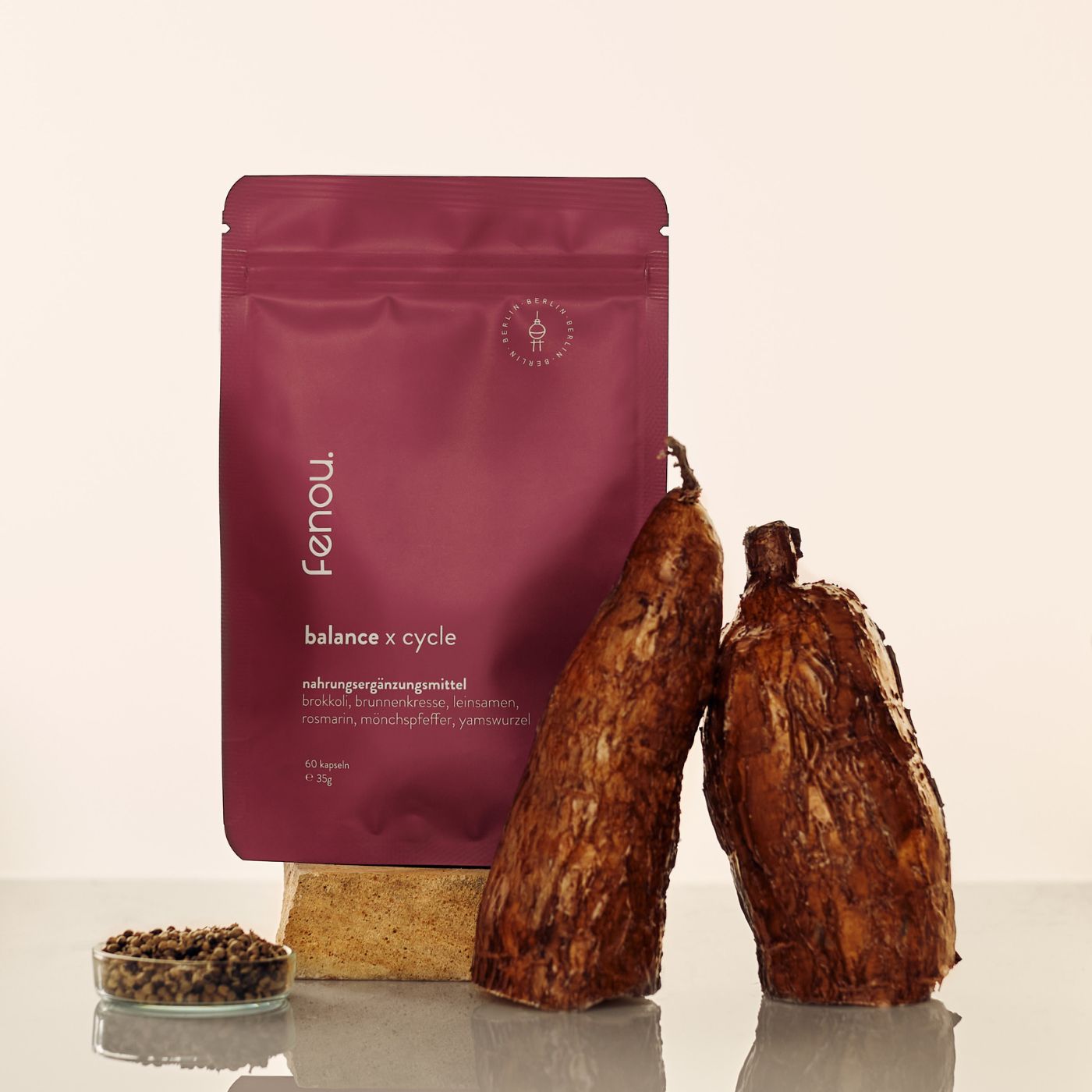
We have combined a range of beneficial nutrients and foods in our product balance. It also contains medicinal plants such as dong quai, which affect a healthy hormonal balance and the female cycle.
It is often advised to avoid caffeine. There is no evidence linking it to breast pain. In principle, however, caffeine puts a strain on the adrenal glands, which have a major influence on the production of sex hormones. So it is worth a try.
My breast pain is unbearable
If nothing else works, do not hesitate to discuss a suitable medication therapy with your doctor. Sometimes this—as with the use of painkillers—is a good short-term solution. The mini-pill, which contains no estrogen but only progesterone, can be used to counteract estrogen dominance. Anti-estrogens, progesterone-containing creams, and non-steroidal anti-inflammatory medications are also available as options. You must consider whether this form of treatment is right for you.
Diet, exercise, and good stress management are not miracle cures for every ailment, and you must be aware of that. However, they are a wonderful way to strengthen your sense of self-efficacy and give you the opportunity to actively do something for yourself and your health. By doing so, you strengthen your resilience, have a lasting positive impact on other areas of your life, and can feel better overall and healthier!