


What a time to live - every week new terms pop up in the health world: this is what I need to pay attention to, this is what I need to take daily, this is the reason for my symptoms… Who is supposed to make sense of all that? And does it all really help or is it just a money-making scheme? While probiotics were still not so long ago the quiet, questionable companions of antibiotic therapy, today they are almost an essential part of the daily dietary routine. But why? We have gathered the most important information for you - about probiotics, prebiotics, synbiotics, all based on scientific evidence!
Probiotics - Live Intestinal Bacteria
Probiotics - the name says it all ("for life") - are live and multiplying microorganisms that are usually added to foods or can be consumed as dietary supplements. You can find probiotics, for example, in fermented foods such as sauerkraut, yogurt, kefir, kombucha, etc. In mostly freeze-dried or microencapsulated form, probiotic microorganisms are sold in capsules, tablets, or powder as dietary supplements.
Probiotics have health benefits
But do probiotics really benefit us? Yes. According to the WHO, probiotics are live microorganisms that, when administered in adequate amounts, have a health benefit for the host. Various mechanisms of action are responsible for this.
Many positive effects of probiotic foods are now very well researched. These effects specifically relate to the gut or have positive effects throughout the entire organism.
Promotion of intestinal health
For example, lactobacilli, bifidobacteria, and enterococci can stimulate and stabilize the existing intestinal bacteria. They improve the intestinal barrier function by promoting the formation and release of mucus and improving the anchoring of the intestinal cells via tight junctions. A diverse, harmonious microbiome is the basic prerequisite for a healthy body. The microbiome essentially influences all metabolic processes in our body.
Activation of the immune system
The immune system is stimulated by probiotics by activating the T-cells that are important for immune defense. By binding to the intestinal wall, substances such as cytokines and defensins are released, which regulate the immune defense.
Lowering of cholesterol
An extremely interesting effect of consuming probiotics is the lowering of serum cholesterol. This has been measured in various studies and is based on the conversion of bile acids in the large intestine. There, bile salts, which are needed for fat digestion and contain cholesterol, are converted by intestinal bacteria. These converted bile salts cannot be efficiently recycled by the liver and are excreted. The liver must form new bile salts and uses available cholesterol for this purpose. This lowers the cholesterol in the bloodstream.
Antibacterial effect
In addition, the bacteria taken in through food, just like the existing intestinal bacteria, produce substances that directly inhibit harmful microorganisms or change the environment in the intestine so that they cannot multiply. These substances include, for example, bacteriocins or hydrogen peroxide, which inhibit the growth of other bacteria or kill them, thus contributing to the regulation of a harmonious microbiome. Lactic acid, which is produced by lactic acid bacteria, among others, creates a slightly acidic pH in the large intestine, which inhibits the multiplication of harmful bacteria or other pathogens and enables the function of digestive enzymes. For this reason, probiotics are now increasingly used as an alternative to antibiotics when existing antibiotics no longer show an effect. Probiotics also produce substances that they and other beneficial bacterial strains use as food, for example short-chain fatty acids.
Competition with other intestinal bacteria
Another mechanism is the competition with bacteria already settled in the intestine. For example, the ingested bacteria compete with the intestinal bacteria for free binding sites on the intestinal wall cells. This reduces the contact of the intestinal cells with pathogens or inflammation-promoting bacteria. Another competition arises over food for the microorganisms. Potentially harmful bacteria are thus inhibited in their growth. [1]
Broad spectrum of applications
Other typical therapeutic applications for probiotics are lactose intolerance, allergies, cardiovascular diseases, or stomach ulcers. The benefits for diarrheal diseases, cavities, or even colon cancer are still being researched. [2] Skin diseases also seem to be well influenced by probiotics or gut cleanses.
How probiotics work:
- Strengthening the intestinal barrier
- Stimulation and stabilization of the microbiome
- Stimulation of the immune system
- Reduction of serum cholesterol
- Production of inhibitory or antibacterial substances (postbiotics) such as bacteriocins, lactic acid, or hydrogen peroxide
- Production of growth-promoting substances such as short-chain fatty acids from food components
- Competition for food and contact with the intestinal mucosa
- Production of B vitamins, improvement of calcium bioavailability from food

Prebiotics - Food for intestinal bacteria
Prebiotics are food components. They cannot be digested in the human intestine, but are metabolized by the intestinal bacteria. The metabolic products influence the growth and activity of the intestinal bacteria, so that the human body can derive health benefits from this effect.
Prebiotics are fiber - but not exclusively
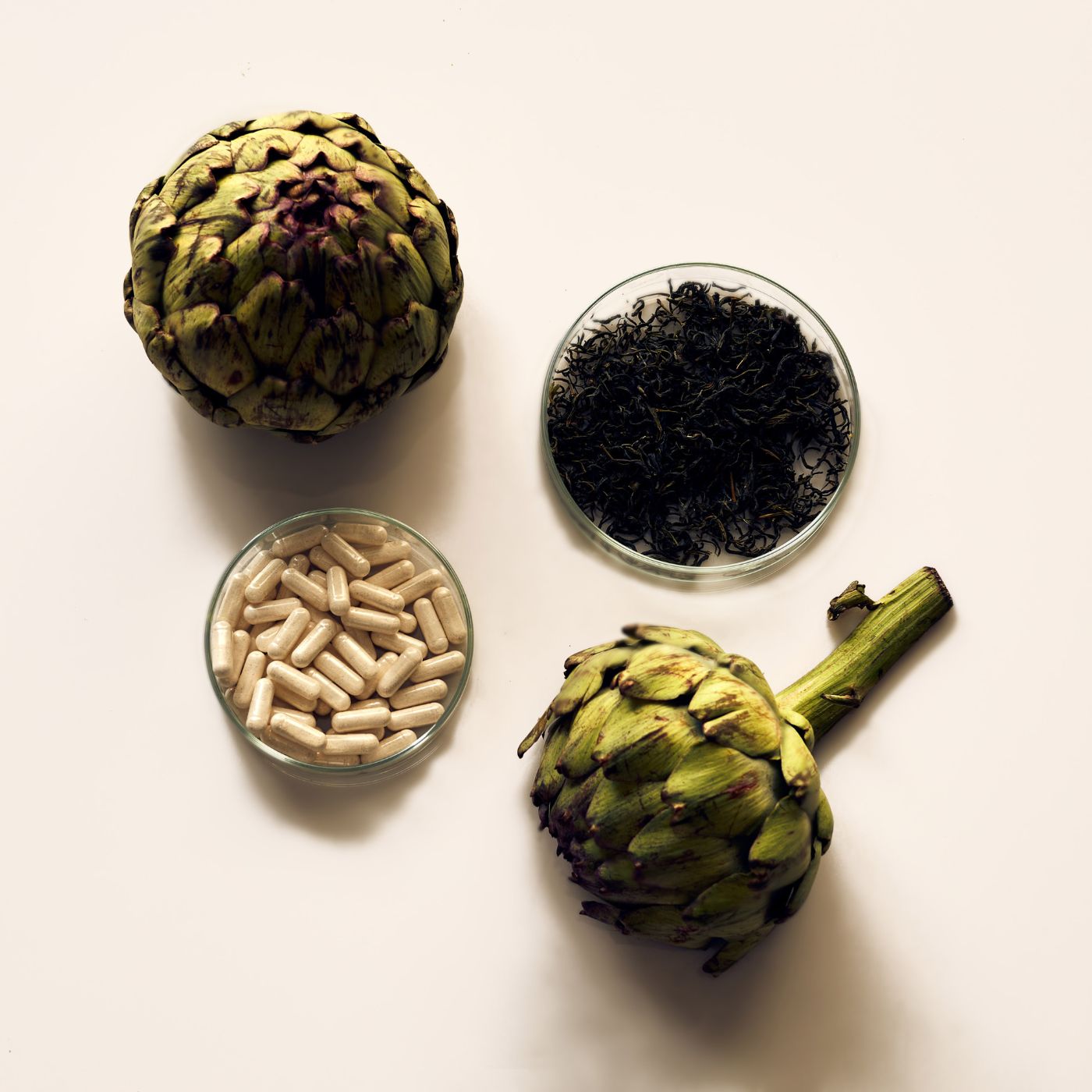
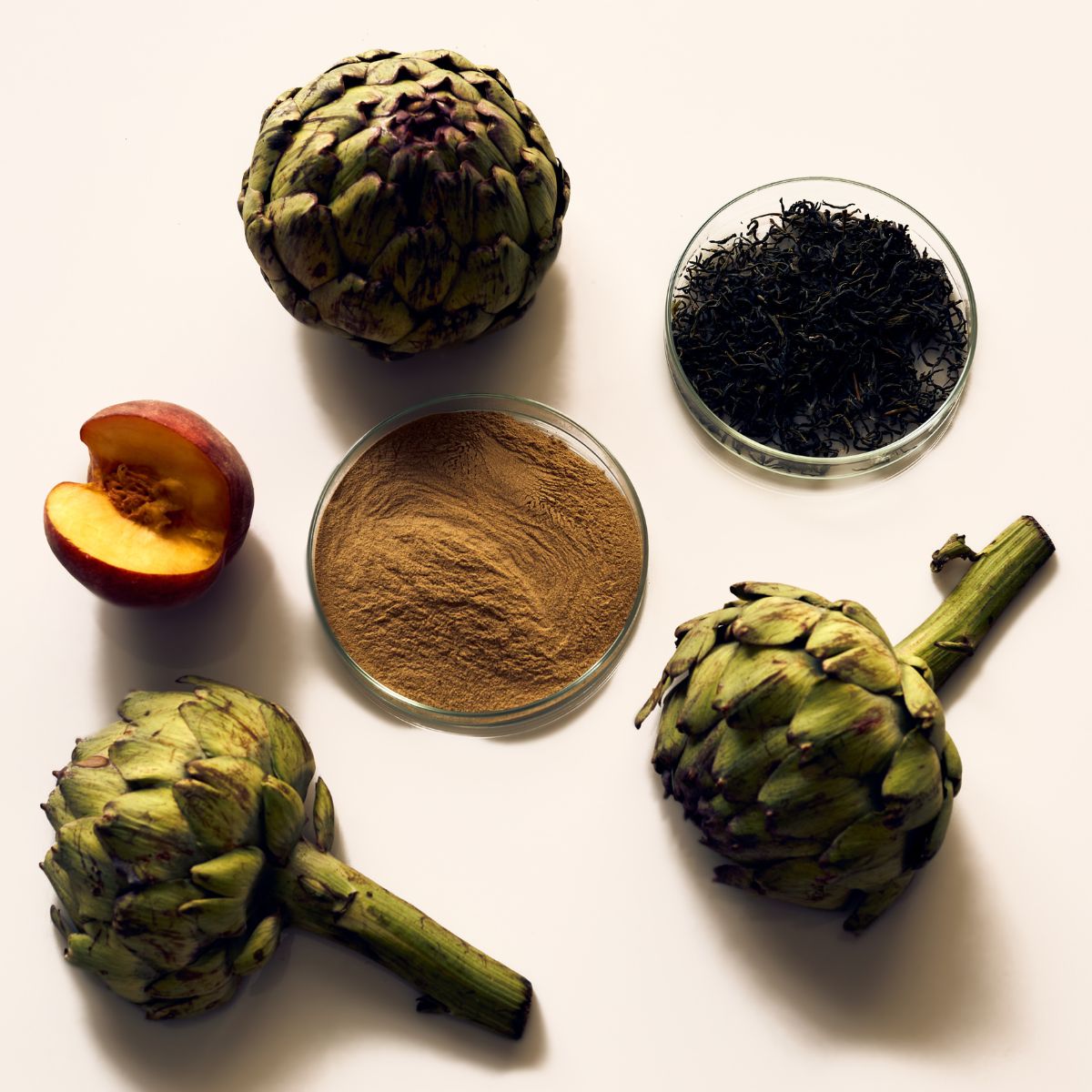
In general, all types of fiber that can be fermented by intestinal bacteria in the intestine are grouped under prebiotics. Usually, these are soluble fibers. For example, fructooligosaccharides (FOS), which are particularly preferred by bifidobacteria, are very well researched. Inulin, which occurs naturally, among others, in Jerusalem artichoke, artichoke, black salsify, or carrots, belongs to the FOS. Pectins from, for example, apples, berries, or apricots also belong to the prebiotics. An exciting prebiotic fiber is resistant starch. It forms when starchy foods such as potatoes, pasta, or rice cool down after cooking. After about 12 hours, the starch has changed in its structure so that it can no longer be digested, but can now be converted by the intestinal bacteria into short-chain fatty acids.
Secondary plant compounds as prebiotics
Substances that are not carbohydrates can also be considered prebiotics if they positively support the microbiome. For example, flavanols, secondary plant compounds from cocoa, are supposed to promote the growth of lactic acid bacteria. Bifidobacteria seem to be able to use the substance EGCG (epigallocatechingallat) well for growth [3]. Quercetin from, for example, apples, tomatoes, and onions also has an influence on a harmonious microbiome [4].
Intestinal bacteria also want to be fed a varied diet
The various bacterial strains are real gourmets and prefer different fiber sources. Therefore, prebiotics should always be matched to the bacterial strains that are to be promoted. As described above, bifidobacteria, which belong to the acid-forming bacteria and have various other health-promoting effects, particularly like inulin from chicory. Lactobacilli such as Akkermansia muciniphila and Faecalibacterium prausnitzii readily metabolize resistant corn dextrin, which is comparable in its properties to resistant starch. Good prebiotics contain fiber from various sources.
Synbiotics
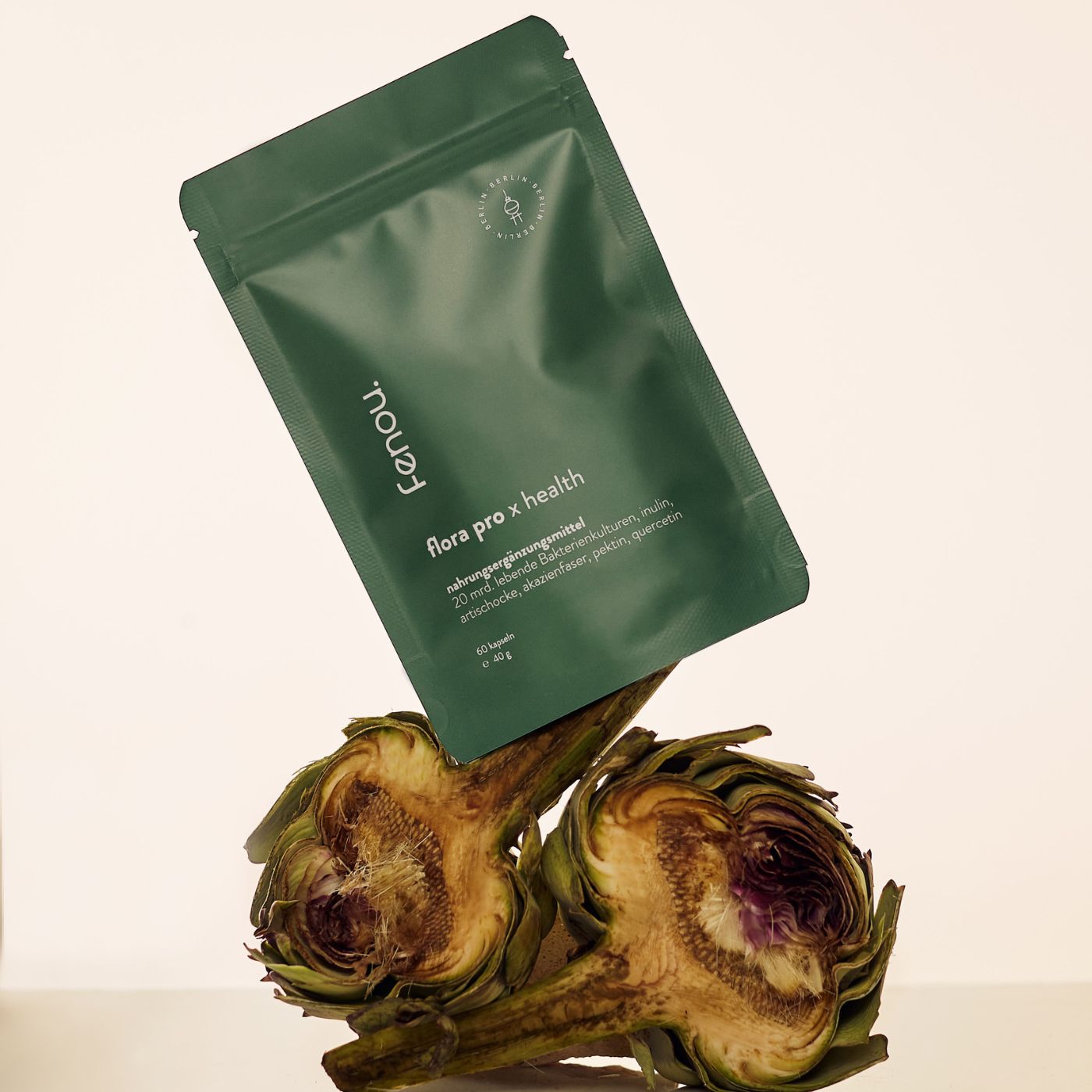
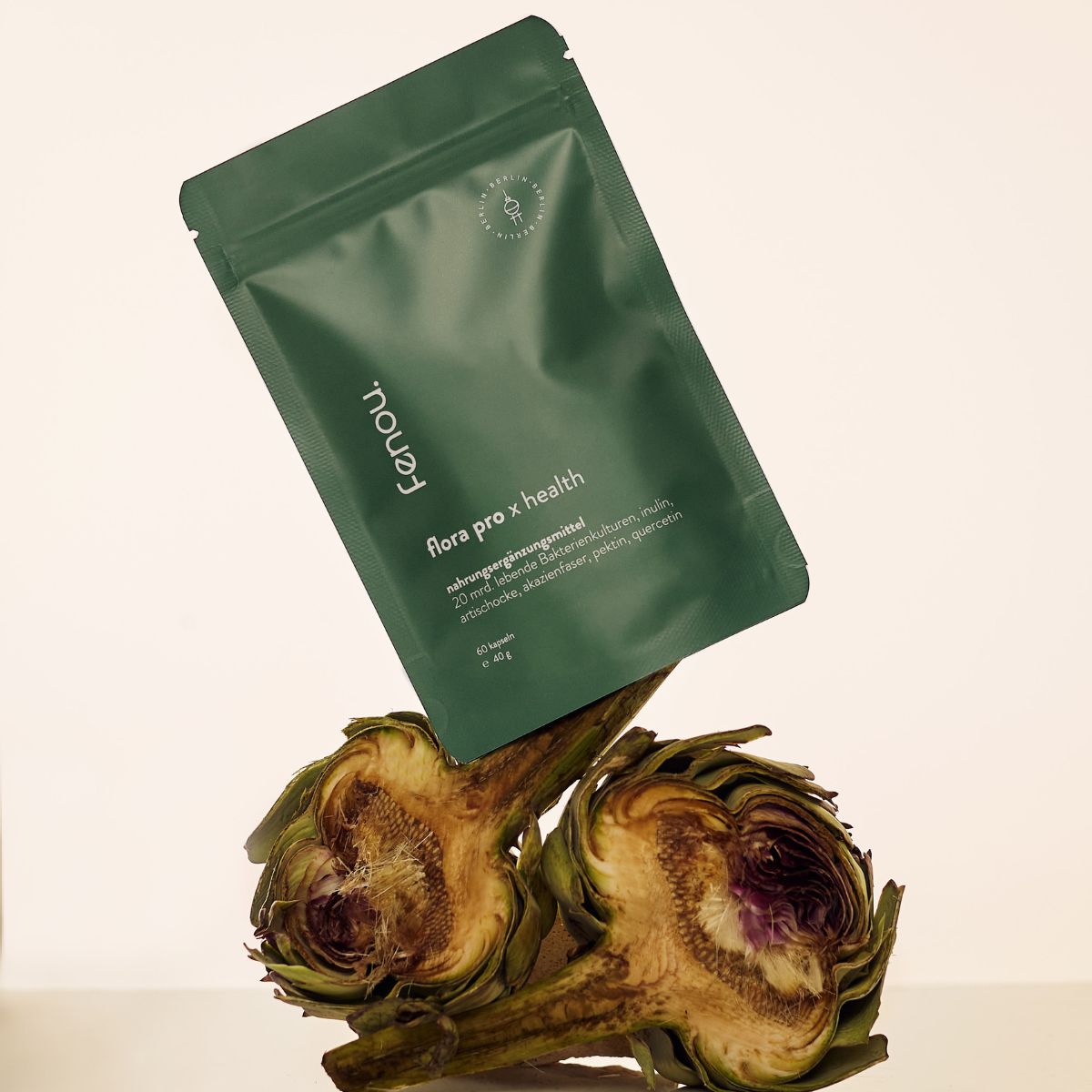
To combine the benefits of probiotics and prebiotics, many dietary supplements are now offered as synbiotics. Synbiotics are complementary and synergistic preparations that contain both microorganisms and prebiotic substrates. This means that the components each bring health benefits on their own, but at the same time the microorganisms directly find a suitable substrate for them that they can metabolize. A synbiotic product thus improves the survival and establishment of live probiotics in the intestine [2].
In studies, synbiotics were able to improve health and nutrition by, on the one hand, significantly increasing the number of bifidobacteria and lactobacilli. On the other hand, an increased release of digestive enzymes such as lactase, lipase, sucrase, and isomaltase was measured.
By using synbiotics, risk factors for cardiovascular diseases, the occurrence of metabolic syndrome (high blood pressure, overweight, sugar and fat metabolism disorders), and markers for insulin resistance in older people could be reduced [1].