


You've stopped taking the pill and suddenly have pimples where your skin used to be clear? You're definitely not alone! Over 30% of all women experience skin changes after stopping the pill – from mild blemishes to severe acne. This so-called post-pill acne can be frustrating and discouraging, especially if you were looking forward to other positive changes.
The most important message upfront: post-pill acne is a completely normal reaction of your body to the hormonal shift. After years of hormonal "rest," your body first has to relearn how to produce and regulate its own hormones. This process takes time – usually between 6 and 18 months.
Post-pill acne: why pimples are normal and how to support your skin
Even if it feels like your skin is going crazy: there is an explanation for what is happening, and there are effective strategies to support your skin during this time. The good news is that most women have healthier and more stable skin than ever before after this transitional phase.
In this article, you'll learn everything about the causes of post-pill acne, when you can expect improvement, and how to best support your body through this time.
Contents:
Why do pimples appear after stopping the pill?N
Timeline: What happens when after stopping?
Differences between various pill types
Immediate measures in the first few weeks
Supporting natural hormone regulation
When will it get better? Realistic expectations
Warning signs: When to see a doctor?
Note: This article is for informational purposes and does not replace medical advice. If you have severe skin problems or concerns, please consult your doctor.
Why do pimples appear after stopping the pill?
Hormonal suppression during pill use
To understand why post-pill acne occurs, we first need to look at what the pill does in your body. The birth control pill contains synthetic hormones (oestrogen and/or progestin) that suppress your natural hormone production. Your ovaries are practically "asleep" and produce hardly any hormones of their own.
While taking the pill, many women have clear, stable skin. This is because the synthetic hormones reduce sebum production and even have anti-androgenic properties in some cases. Pills with progestins such as cyproterone acetate or drospirenone are particularly effective against male hormones and can significantly improve acne.
However, this artificial hormonal balance is not sustainable. As soon as you stop taking the pill, your body has to stimulate its own hormone production again – and that rarely goes smoothly.

The androgen rebound effect
After stopping the pill, a so-called "rebound effect" often occurs: your body overcompensates and initially produces too many male hormones (androgens). These androgens, especially testosterone and its active form DHT (dihydrotestosterone), stimulate the sebaceous glands.
The result: your skin suddenly produces much more sebum than during the pill phase. At the same time, the composition of the sebum changes – it becomes thicker and can clog pores more easily. This combination of excessive sebum production and clogged pores is the perfect foundation for acne.
Testosterone excess and its consequences
The temporary testosterone excess after stopping the pill affects more than just the skin. Many women also notice increased hair loss, increased body hair, or mood swings. All these symptoms are signs that androgens are temporarily dominant.
What makes this particularly problematic is that this hormonal rebound often lasts for months. While your body tries to find the right balance, hormone levels fluctuate wildly. This instability is particularly evident on the skin, which reacts very sensitively to hormonal changes.

Differences depending on the pill type
Not all pills work the same, and post-pill acne varies accordingly in severity. Pills with strongly anti-androgenic progestins such as cyproterone acetate or chlormadinone acetate often lead to stronger rebound effects because they suppressed male hormones particularly strongly during use.
Combination pills with an oestrogen-dominant effect can also lead to severe post-pill acne, as the sudden withdrawal of oestrogen amplifies the relative androgen dominance. Mini-pills (pure progestin preparations) usually lead to milder skin reactions because they suppress natural hormone production less strongly.
The duration of use also plays a role: the longer you took the pill, the more "set in its ways" your natural hormone production is, and the longer the transition can take.
Timeline: What happens when after stopping?

Months 1-3: Initial skin changes
In the first few weeks after stopping, you may not yet notice any major changes. Some women even initially have better skin because the synthetic hormones are still having an aftereffect. However, this "honeymoon phase" is usually only temporary.
From weeks 4-6, the first skin changes begin. You may notice that your skin becomes oilier, especially in the T-zone. The first blemishes often appear on the chin, jawline, or neck – typical areas for hormonal acne.
During this time, it is important to remain patient and not panic. Your body is just beginning to find its natural rhythms again. Drastic changes in your skincare routine can make the situation worse.
Months 3-6: Peak post-pill acne
Between the third and sixth month, post-pill acne usually reaches its peak. During this time, your body is struggling most intensely with hormone regulation. Androgen levels can fluctuate wildly, leading to unpredictable acne flare-ups.
Many women also experience other hormonal symptoms during this phase, such as irregular cycles, PMS, or mood swings. All these symptoms are signs that your endocrine system is working intensively to recalibrate itself.
This time can be very psychologically distressing. It is completely normal to feel frustrated or discouraged. Remember: this is the hardest part of the transition, and it will get better.
Months 6-12: Slow normalisation
From the sixth month, the situation usually begins to stabilise slowly. Hormone fluctuations become less extreme, and your skin begins to calm down. You may notice that new pimples become less frequent and existing ones heal faster.
During this phase, it is important to stick consistently to your skincare routine and not become impatient. Improvements often come in spurts rather than linearly. A bad day does not mean you are making no progress.
Many women report that their skin stabilises significantly between months 9 and 12 and even becomes better than it was before stopping the pill.
After 12 months: New hormonal balance
After about a year, most women have achieved a new hormonal balance. Post-pill acne should now have subsided significantly or disappeared entirely. Many women find that their skin is now healthier and more stable than it was during the pill phase.
If you are still struggling with severe acne after 12-18 months, it may be a good idea to seek medical help. There may be other hormonal imbalances that need to be treated.
Differences between various pill types

Anti-androgenic pills (cyproterone acetate)
Pills such as Diane-35 or Bella Hexal contain cyproterone acetate, a strongly anti-androgenic progestin. These pills are often specifically prescribed for acne and hirsutism. After stopping these pills, the rebound effect is usually particularly strong because male hormones were maximally suppressed during use.
Women who stop taking anti-androgenic pills often experience the most severe post-pill acne. The transition can take 12-18 months, and it is important to prepare for this longer transitional period.
Combination pills
Standard combination pills with ethinyl estradiol and various progestins lead to moderate post-pill reactions. The severity depends heavily on the progestin used. Pills with progestins such as levonorgestrel can cause less severe rebound effects.
With combination pills, the withdrawal of oestrogen is particularly problematic. Oestrogen has a protective effect on the skin, and the sudden deficiency can lead to increased sebum production.
Mini-pills
Pure progestin pills (mini-pills) suppress natural hormone production less strongly. Accordingly, post-pill effects are usually milder. Many women experience only mild skin changes or none at all.
However, some mini-pills can cause acne during use, especially those with more androgenic progestins. After stopping, the skin may even improve.
Influence of duration of use
The longer you took the pill, the longer it takes for natural hormone production to level out again. Women who took the pill for 5-10 years or longer often need more time for hormonal regeneration.
It is particularly problematic if you started taking the pill as a teenager before your natural cycle had properly established itself. Your body then has to learn from scratch how normal hormone cycles work.
Immediate measures in the first few weeks
Skincare adjustment: from pill skin to natural skin
Your skincare routine must adapt to the new situation. During the pill phase, your skin was probably drier to normal. After stopping, it will likely become oilier, especially in the T-zone.
Switch to a gentle but thoroughly cleansing gel with salicylic acid (BHA). This helps keep pores clear and remove excess sebum. Start with a 0.5-1% concentration and increase slowly.
Reduce rich creams and instead opt for light, non-comedogenic moisturisers. Even oily skin needs moisture, but in the form of serums or gels instead of heavy creams.
Introduce a chemical exfoliant such as salicylic acid or glycolic acid, but slowly and gently. Your skin is often more sensitive than usual during the transition phase.
We have also thought about what optimised skincare for acne could look like. Together with skin specialists, we developed the fenou clear skin x cycle series of cream and cleansing foam, which addresses all problem areas of acne skin. Learn more here.

Dietary optimisation: blood sugar stabilisation
Your diet can have a huge impact on post-pill acne. Focus on blood sugar-stabilising meals with complex carbohydrates, high-quality proteins, and healthy fats.
Avoid sugar and refined carbohydrates that lead to insulin spikes. Insulin amplifies androgen production and can worsen post-pill acne. Instead, opt for whole grains, vegetables, and legumes.
Reduce dairy products, especially cow's milk. Milk contains natural hormones and IGF-1, which can stimulate sebum production. Try plant-based alternatives such as almond, oat, or coconut milk.
Increase your intake of anti-inflammatory foods: nuts, seeds, berries, and leafy green vegetables. These can help reduce inflammation in the skin.

Supplementation: zinc, B vitamins, omega-3
Zinc is one of the most important supplements for hormonal acne. It has anti-inflammatory and antibacterial effects and can reduce the androgen effect.
B vitamins, especially B6, can help stabilise the hormonal balance. The pill can lead to a B vitamin deficiency, and after stopping, your body needs these vitamins for hormone production. A high-quality B complex can support this.
Omega-3 fatty acids have anti-inflammatory effects and can reduce acne inflammation. Look for quality products without heavy metal contamination.
Vitamin D is essential for the skin's immune function. Have your levels checked and supplement if necessary. Many women have a vitamin D deficiency after stopping the pill.
Stress reduction: especially important during the transition phase
Stress is particularly problematic in the post-pill phase because it fuels cortisol production and makes the hormonal transition more difficult. Develop a daily relaxation routine, even if it is only for 10 minutes.
Meditation, deep breathing exercises, or progressive muscle relaxation can help lower stress levels. Apps such as Headspace, Calm, balance or 7mind make it easier to get started.
Pay particular attention to getting enough sleep (7-9 hours). Sleep deprivation increases cortisol production and can worsen androgen dominance. Develop a fixed evening routine without screens.
Gentle exercise such as yoga, walking, or swimming can relieve stress without putting additional strain on the body. Avoid excessively intense training, as this can increase cortisol production.

Supporting natural hormone regulation
Medicinal plants: chasteberry, saw palmetto, spearmint
Chasteberry (Vitex agnus-castus) is a proven remedy for hormone regulation after stopping the pill. It supports the production of luteinising hormone and can help stabilise the ratio of oestrogen to progesterone. The effect usually occurs after 3-6 months.
Saw palmetto (Serenoa repens) has anti-androgenic properties and can help slow down excessive testosterone production. It is traditionally used for androgen-related problems such as acne and hair loss.
Spearmint tea has mild anti-androgenic effects. Studies show that 2 cups daily for several months can lower androgen levels. The effect is mild but has few side effects.
Adaptogens such as ashwagandha or rhodiola can help lower stress levels and support the adrenal glands. These plants can normalise cortisol production and thus indirectly improve the hormonal balance.
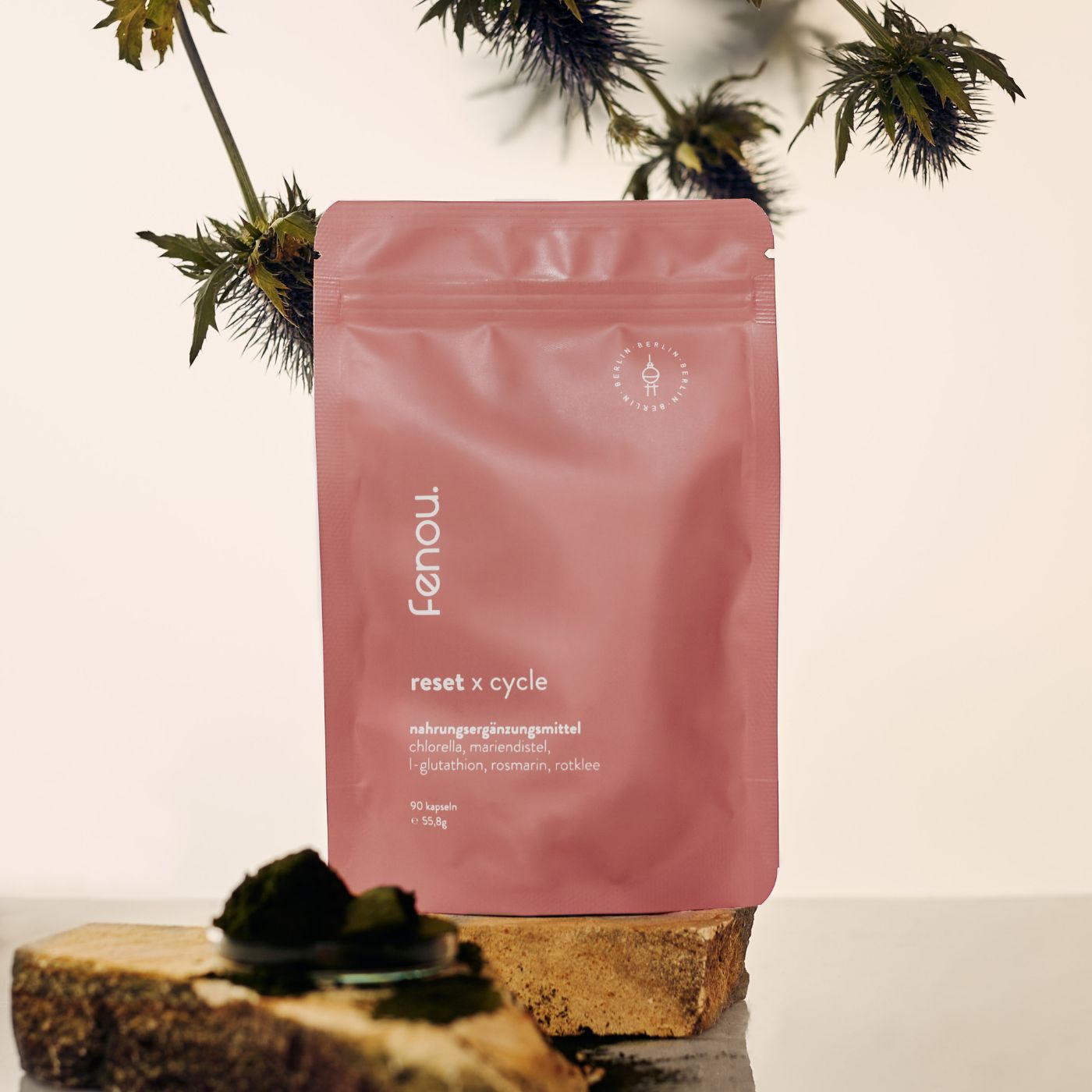
Would you like to easily supplement your diet with plant extracts and skin-healthy vitamins and minerals? Then we would like to recommend fenou beauty x cycle to you. We developed this supplement specifically for women who suffer from hormonal skin and hair problems.

Micronutrients: detox support for the liver
Your liver is crucial for hormone regulation because it breaks down and excretes excess hormones. After stopping the pill, it suddenly has to work much harder.
Support your liver with sulphur-containing compounds such as N-acetylcysteine (NAC, as a dietary supplement or in its natural form, L-cysteine, e.g., in whole grains, legumes, or nuts) or alpha-lipoic acid (e.g., spinach, broccoli, tomatoes). These promote the production of glutathione, the liver's most important antioxidant enzyme.
B vitamins, especially B6, B12, and folic acid, are essential for hormone metabolism. Magnesium supports over 300 enzymes in the body, many of which are involved in hormone production.
Milk thistle (active ingredient silymarin) is a traditional liver remedy that protects and regenerates liver cells. It can be particularly helpful if you took the pill for a long time.
Lifestyle factors: sleep, exercise, relaxation
Regular bedtimes help stabilise your biorhythm. Go to bed and wake up at the same time every day, including on weekends. This supports natural hormone production.
Moderate exercise is important, but don't overdo it. Too-intense training can be counterproductive during the post-pill phase because it means additional stress. Aim for 30 minutes of moderate exercise on most days.
Create relaxation rituals: A warm bath with magnesium salt, lavender aromatherapy, or meditation before bedtime can help calm the nervous system.
Spend time in nature. Studies show that just 20 minutes in the greenery can lower cortisol. Take every opportunity to go for walks in the park or do gardening.

Cycle tracking: symptom tracking for better understanding
Keep a detailed cycle diary to identify patterns. Record not only your period but also skin changes, mood, energy, and other symptoms.
Apps or natural family planning can help, but a handwritten diary is often more insightful. Also record external factors such as stress, diet, or sleep.
Observe when your acne is worst during your cycle. For hormonal acne, the time before your period is usually critical, when progesterone drops and androgens relatively dominate.
Learn the signs of your natural cycle: changes in cervical mucus, basal body temperature, and mid-cycle pain can help you understand whether your hormones are normalising.
When will it get better? Realistic expectations
Individual differences
Every woman is different, and the duration of post-pill acne varies greatly accordingly. While some women see improvement after 3–6 months, others need 12–18 months or longer. These differences are completely normal and say nothing about the quality of your hormones.
Factors that influence the healing time include your age when you stopped taking the pill, how long you took the pill, the type of pill, genetic predisposition, stress levels, diet, and overall health.
Younger women (under 25) often recover faster because their hormone production is still "fresher." Women who took the pill for a long time or are already over 30 often need more patience.
Factors that influence the healing process
A healthy lifestyle can significantly speed up healing. Good nutrition, sufficient sleep, stress management, and moderate exercise give your body the best conditions for hormonal regeneration.
Pre-existing health problems can delay healing. Thyroid problems, insulin resistance, chronic inflammation, or nutrient deficiencies should be treated concurrently.
Psychological factors also play a role. Chronic stress, anxiety, or depression can impair hormone regulation. Do not hesitate to seek professional help if you feel overwhelmed.
Patience as the most important success factor
Patience is probably the most difficult but most important quality during the post-pill phase. It is completely natural to feel impatient and frustrated, especially when there are setbacks.
Remember: Your body is doing hard work. After years of external hormonal control, it has to relearn how to regulate complex hormone cycles on its own. This is a process that does not happen overnight.
Set realistic milestones instead of expectations that are too high. Celebrate small improvements, such as fewer new pimples or faster healing of existing blemishes.
Do not compare yourself to other women or "before-and-after" pictures on the internet. Every healing process is unique, and what works for others may not work for you.

Warning signs: when to see a doctor?
Severe cystic acne
If you develop deep, painful nodules, especially if they are larger than 1 cm or develop into cysts, you should seek medical help. Cystic acne can lead to permanent scarring and often requires professional treatment.
Even if the acne worsens quickly or is very painful, dermatological advice is worthwhile. Early intervention can prevent scarring and reduce suffering.
No improvement after 12 months
If your skin has not improved at all after 12–18 months or has even become worse, there may be other causes. You may have PCOS, thyroid problems, or other hormonal disorders.
A dermatologist or gynaecologist can perform comprehensive hormone tests and suggest other treatment options. Sometimes prescription medication is necessary.
Accompanying symptoms (severe hair loss, cycle irregularities)
If acne occurs together with other severe symptoms, you should seek medical help. These include severe hair loss (more than 100 hairs per day), missing your period for more than 3 months, extreme weight gain, or severe mood swings.
These symptoms may indicate hormonal disorders such as PCOS, thyroid problems, or adrenal dysfunction, which require special treatment.
Even if you feel severely psychologically burdened or develop depressive symptoms, do not hesitate to seek professional help. The post-pill phase can be emotionally very challenging.
Long-term benefits of a pill-free life
Many women report significantly more stable skin after the transition phase. Without the artificial hormone fluctuations of the pill, the skin is often less sensitive and responds more predictably to skincare and diet.
In addition to improved skin, many women experience other positive changes: a more stable mood, better libido, natural cycles, and an overall better sense of well-being.

Conclusion: you can do it!
Post-pill acne is frustrating, but it is temporary. Your body is currently going through an enormous adjustment, and that takes time. With patience, the right strategies, and professional help if necessary, you will get through this phase.
Remember: Most women have healthier, more stable skin after the transition period than ever before. The path there may be rocky, but the goal is worth it. Be patient and loving towards yourself—you are taking a brave and important step for your health.
If skin problems persist or are severe, do not hesitate to seek professional help. This article is not a substitute for medical advice.