


Your period should have arrived by now, but nothing is happening yet? You can definitely rule out pregnancy? That is not a reason to worry in the first place, because in fact, very few menstruating people have an absolutely punctual cycle [1]. Often, there is a harmless cause, such as exceptional stress or a recently recovered viral infection, perhaps a vacation or temporary sleep deprivation. To help your cycle settle back into place, we would like to introduce 6 natural ways to stimulate your period, which overall have a beneficial effect on your cycle and your general health.
Contents:
Why is your period late? The most common causes
When should you definitely see a doctor?
Natural methods to stimulate your period
Stress management – The key to hormonal balance
Herbal remedies and natural supplements
Adequate sleep and sleep hygiene
Patience is required: How long does it take?
Why is your period late? The most common causes
A late period can have various causes. For the most part, these are factors that are essentially harmless but still have a major impact on your hormone balance.
Hormonal causes:
- Stress and the effects of cortisol
- Weight fluctuations (Under-/overweight)
- Thyroid dysfunction
- PCOS (Polycystic Ovary Syndrome)
Lifestyle factors:
- Extreme sports
- Travel and time zone changes
- Sleep deprivation
- Dietary changes
Medical causes:
- Medications (antidepressants, blood pressure medication)
- Stopping hormonal contraception
- Breastfeeding and pregnancy
When should you definitely see a doctor?
Short-term events can lead to a one-time or temporary shift in your cycle. In such cases, action is usually not necessary. However, the situation is different in the following cases:
- Suspected pregnancy: If you think you might be pregnant or a pregnancy test comes back positive, you should have the pregnancy confirmed by a gynecologist as soon as possible.
- Amenorrhea: Amenorrhea is when your period is completely absent for more than 3 months. You should definitely have the causes investigated by a gynecologist, as they can range from malnutrition to endocrine disorders.
- Accompanying symptoms: If you experience additional symptoms such as severe pain, unusual discharge (unusual color, pungent or fishy odor), or unusual weight loss, you should definitely be examined by a gynecologist.
- Known underlying conditions: Do you have an underlying medical condition and your period is late? Then have it checked by a doctor regularly.

Natural methods to stimulate your period
If serious causes have been ruled out and you would like to take matters into your own hands to stimulate your period and stabilize your cycle, there are a few areas of life where you can have a particularly good influence on your hormone system.
Stress management – The key to hormonal balance
Stress is a long-overlooked cause of hormonal fluctuations. But especially for menstruating people, who are often exposed to multiple pressures from work, family, household chores, and societal demands, stress is a relevant factor in cycle shifts [Weaver, L; The Rushing Woman Syndrome - What chronic stress does to our health, TRIAS].
This is because stress increases cortisol production. This inhibits the release of GnRH, which is responsible for the overall production of sex hormones. Long-term stress thus leads to cycle fluctuations. If you want to know exactly, you can read everything about the effects of stress here.
Practical methods to reduce stress:
- Meditation and breathing techniques
- Yoga (especially Yin Yoga)
- Adequate sleep (7-9 hours)
- Setting boundaries in everyday life

Nutrition for a healthy cycle
Your diet can have a major impact on your cycle, as nutrient metabolism changes throughout the cycle (which is taken into account in so-called cycle-based nutrition) and many nutrients are essential for hormone production and the function of endocrine organs. To stimulate your period and optimally support your cycle, you can therefore pay attention to a few dietary tricks. You can find detailed information on cycle-based nutrition here and also in our book “Zyklus-Food” (Melanie Dell’Oro, Mona Hock, TRIAS Publishing, September 25).
You should pay particular attention to these nutrients for hormone production:
- Omega-3 fatty acids (e.g., in walnuts, flaxseed)
- Vitamin D (only sufficient through sun and/or supplements, in small amounts e.g., in mushrooms)
- B vitamins (e.g., in whole grains, legumes, nuts)
- Magnesium (e.g., in nuts, leafy green vegetables, dark chocolate)
- Iron (e.g., in pseudocereals, seeds, leafy greens, legumes)
Stable blood sugar supports hormonal balance. You can achieve this by:
- Regular meals
- Complex carbohydrates and fiber instead of white flour and refined sugar
- combining carbohydrates with proteins and healthy fats
For the benefit of your hormone balance, you should avoid the following:
- Extreme diets
- Too much caffeine
- Alcohol consumption
- Highly processed foods with refined sugar and saturated fats

Herbal remedies and natural supplements
If you want to do something extra good for your body or explore all possibilities, there are various medicinal plants that you can take as supplements or herbal medicine. Some can very reliably stimulate your period and are therefore also frequently prescribed by gynecologists.
- Chasteberry (Vitex agnus-castus): has a cycle-regulating effect and is also used for PMS.
- Red raspberry leaf: traditionally used for cycle regulation.
- Mugwort: has a blood-circulating effect (Caution: not during pregnancy!).
- Ginger: has a blood-circulating and anti-inflammatory effect.
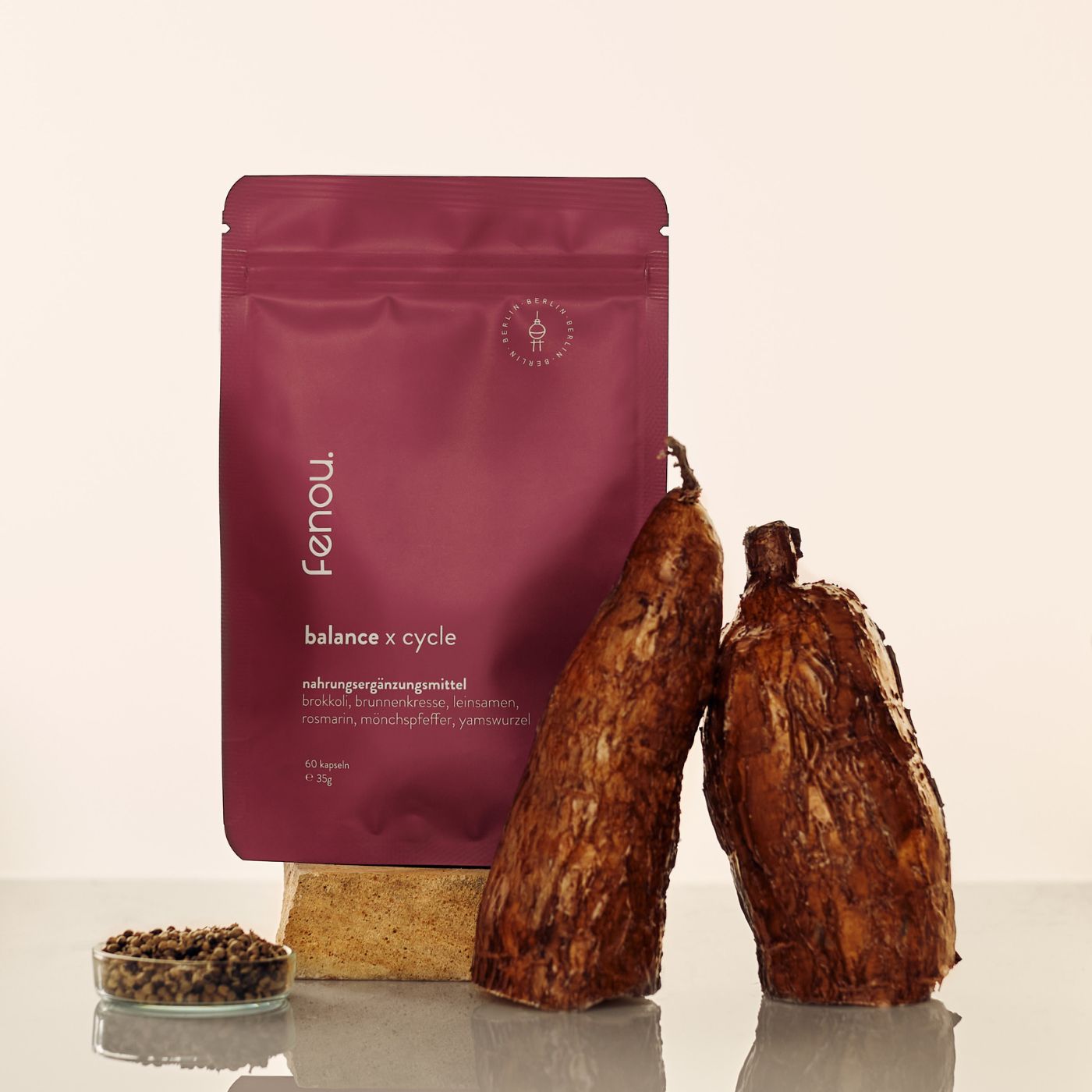
Also lemon balm, lemon verbena, rosemary, basil, and many more plants can support you in your cycle. If interested, seek medical advice or consult a naturopath or phytotherapist. Discuss, for example, the use of balance x cycle, which contains a combination of plant extracts (including chasteberry and cruciferous vegetables). With our dietary supplements, you can also be sure that we only use ingredients of the highest quality and that the composition has been coordinated with experts.

Exercise in moderation
Movement and sports are one of the main pillars for a healthy body with a balanced hormone system. The rule of thumb here is at least 30-60 minutes of physical activity 5 days a week. You can choose what best fits your everyday life: If you have little time for sports classes, you can, for example, regularly travel by bike or on foot. How about a walk during your lunch break? Of course, sports classes, jogging, swimming, yoga, etc. are also great ways to move your body and even build muscle at the same time. However, it is important that you find the right balance: too little exercise has a negative effect on your hormone system - too much sports and extreme exertion, on the other hand, represents stress, which, as already mentioned, has a negative effect on the hormone system.
You can also adapt your training plan to the cycle phase.
Ideal sports for the hormone system:
- Moderate endurance (walking, swimming)
- Strength training (2-3x per week)
- Yoga and Pilates
Attention: Extreme sports can lead to a late period!

Heat and relaxation
A real super trick to stimulate your period is a visit to the sauna. It has happened to us too: menstruation was already overdue, but except for spotting, it didn't really want to get going. A relaxing day at the spa and promptly the next day, a real period started. The heat increases blood circulation. If the sauna doesn't fit into your everyday life right now, you can also try the following soothing applications:
- Hot water bottle on the lower abdomen
- Warm baths with essential oils (lavender, rosemary)
- Massage of the lower abdomen
- Acupressure points for menstruation

Adequate sleep and sleep hygiene
Did you know that your sleep quality has a major impact on your hormonal health? If not, you are certainly not alone, and for this reason we will not tire of pointing out the importance of good sleep. During sleep, excess hormones are broken down, including cortisol and sex hormones. If your sleep is disturbed or too short, this can lead to hormonal imbalances. According to current research, menstruating people need more sleep, 7-9 hours are considered optimal for hormonal balance.
For restful sleep, you can consider the following sleep hygiene tips:
- Regular sleep times: do not go to bed too late in the evening, the hours before midnight are the most restful, and feel free to set an alarm for the morning so you don't get out of rhythm
- Cool, dark bedroom: a room temperature of 16-19°C has proven best for restful sleep, fresh air additionally supports this.
- No screens before bed: The blue light from screens inhibits melatonin production and stimulates the brain. This prevents you from relaxing. Either use blue light filter glasses, select the filter on your mobile device, or rather read a book.
- Relaxation rituals: so that you can unwind well in the evening, especially after a stressful day, rituals can be very useful. How about meditation or stretching exercises in the evening? Maybe you write a diary or reflect on the day. Reading, a calming cup of tea, or even a relaxing bath ritual (e.g., with soothing lotions or oils with lavender or lemon balm) can also prepare your mind for a good night's sleep.

Patience is required: How long does it take?
It is clear that you cannot bring your cycle into harmony overnight. You should definitely have patience for 2-3 cycles until everything settles back into place. To keep track, you can use cycle trackers or cycle apps. This way you can see exactly if anything is happening with the length of your cycle and also get a better feel for how long your cycle phases are and how you feel during them. Do not let yourself be discouraged at all if it takes a little longer to stimulate your period. Depending on the cause, it can take longer until the hormone system functions optimally again. If you have doubts or concerns, seek medical support. The good thing: all the measures suggested here are overall great for your health, your body weight, and your mental health. So you are definitely doing something good for yourself!