


The pill is one of the most popular contraceptive methods worldwide, but its effects go beyond hormonal balance. It also affects your gut health. Many women* do not know that taking the pill can negatively alter the composition of the gut flora (the gut microbiome), which can have long-term health consequences. In this article, we explain how the pill affects the gut and what symptoms may occur.
How the pill affects your gut health
Constant abdominal pain, bloating, and diarrhea can be distressing and severely limit your quality of life. Are you affected? It could be related to taking the pill. Have you stopped taking the pill a long time ago? It can still be a long-term consequence. But don't worry, you can support your gut and relieve digestive issues in the long term!
Contents:
The pill and its effect on the gut flora
How the pill can damage the gut
What can you do to support your gut health?
Conclusion: Your gut needs support when you take the pill!
The pill and its effect on the gut flora
The gut is more than just a digestive organ – it is a central element of the immune system and significantly influences many physical processes, including mental health via the gut-brain axis. The synthetic hormones in the pill can alter the microbiota in the gut and thus disrupt the balance of "good" and "bad" bacteria. This can lead to a variety of health problems. In addition, taking the pill can lead to inflammation of the intestinal wall cells, which can, among other things, lead to impaired nutrient absorption.

How the pill can damage the gut
Taking the pill affects gut health in several ways.
- Alteration of the microbiota: Studies show that the pill promotes the growth of certain bacteria in the gut, while other types of bacteria are suppressed. This leads to an imbalance that can cause inflammation and disrupt estrogen recycling through the oestrobolome.[1, 2]
- Leaky gut: Hormonal changes, inflammation, and a dysbiotic microbiome can damage the intestinal mucosa, leading to a "leaky gut." As a result, undigested food components and toxins enter the bloodstream, activating the immune system and promoting chronic inflammation.
- Digestive disorders: Women who take the pill more frequently report digestive problems such as bloating, constipation, or diarrhea. These symptoms can be triggered by the imbalance of gut bacteria.

Long-term health effects
It is now known that the gut is in direct communication with many other organs, such as the brain, lungs, or skin, and therefore plays a very important role in the development of various chronic diseases. Medications such as the pill, which disrupt the sensitive microbiome and damage intestinal cells, can therefore potentially affect completely different areas of the body. The connection is often not obvious.
- Increased risk of autoimmune diseases: A leaky gut can increase the risk of autoimmune diseases. Conditions such as celiac disease, inflammatory bowel disease, and rheumatoid arthritis are associated with this.
- Risk of developing food intolerances and allergies: Leaky gut causes food components and toxins to enter the bloodstream where they do not belong. This leads to chronic inflammation and allergies.
- Impaired immune defense: An unbalanced microbiome can reduce the body's ability to fight infections, which can lead to an increased susceptibility to illness.
- Hormonal changes and further symptoms: An imbalance in the gut microbiota can influence hormone production, especially through the oestrobolome, which may lead to even more health problems, such as skin blemishes, hair loss, or mood swings.

What can you do to support your gut health?
You have to imagine that the gut is one of the organs that are in constant contact with the outside world - through drinks and food, you actively bring it into contact with potentially harmful substances. But also with healthy nutrients! And this is your chance to take action yourself.
- Incorporate probiotic foods: Yogurt, sauerkraut, kimchi, or kombucha are rich in probiotics, i.e., live microorganisms that can help restore the balance of the gut microbiome.
- High-fiber diet: A high-fiber diet promotes the growth of healthy gut bacteria, which in turn produce anti-inflammatory metabolites from the fiber. Vegetables, whole grains, and legumes are ideal sources.
- Stress management: Since stress can also affect gut health, it is important to incorporate regular relaxation exercises such as yoga or meditation into your daily routine and to ensure you get enough rest and good sleep.
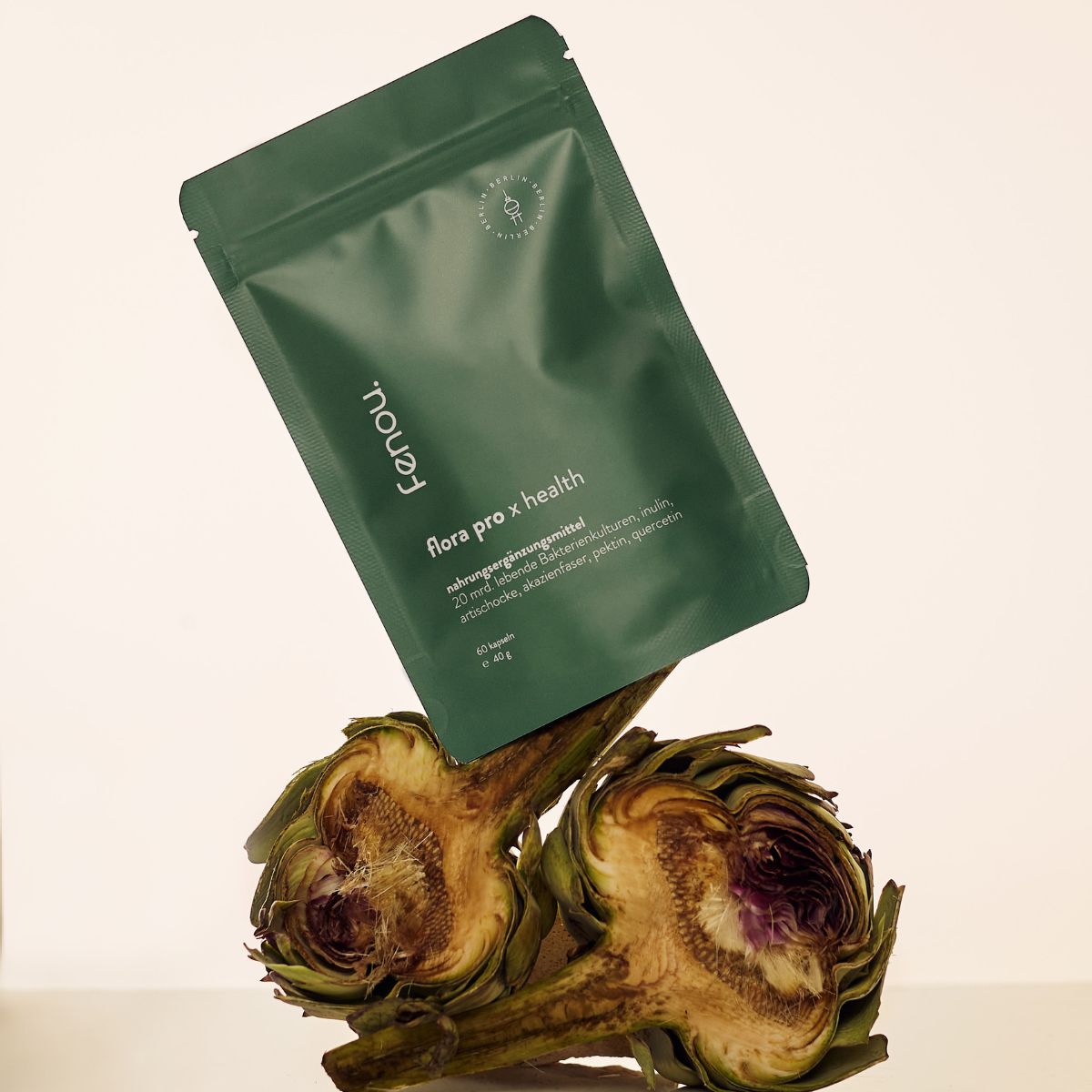
- Probiotic or prebiotic supplements: For persistent digestive problems or after stopping the pill, probiotics can help restore balance to the gut flora. Prebiotic or synbiotic supplements support your diet

Conclusion: Your gut needs support when you take the pill!
The pill can have far-reaching effects on your gut health that you may not notice immediately. A disrupted microbiome and a leaky gut are serious problems that can lead to many other long-term health issues. It is important to pay attention to your own gut health and, if necessary, make changes to your diet or lifestyle to support the microbiome.