


Today we bring you another kind of encyclopedia entry. We want to explain what PCOS, polycystic ovary syndrome, is all about. PCOS is a hormonal disorder that has not yet been conclusively researched, and its exact causes are still being discussed. In this article, we want to focus on a small selection of the best-researched mechanisms. If you would like to learn more about PCOS and are not afraid of complicated molecular biological connections, then our reference article is highly recommended as further reading.
What does PCOS mean?

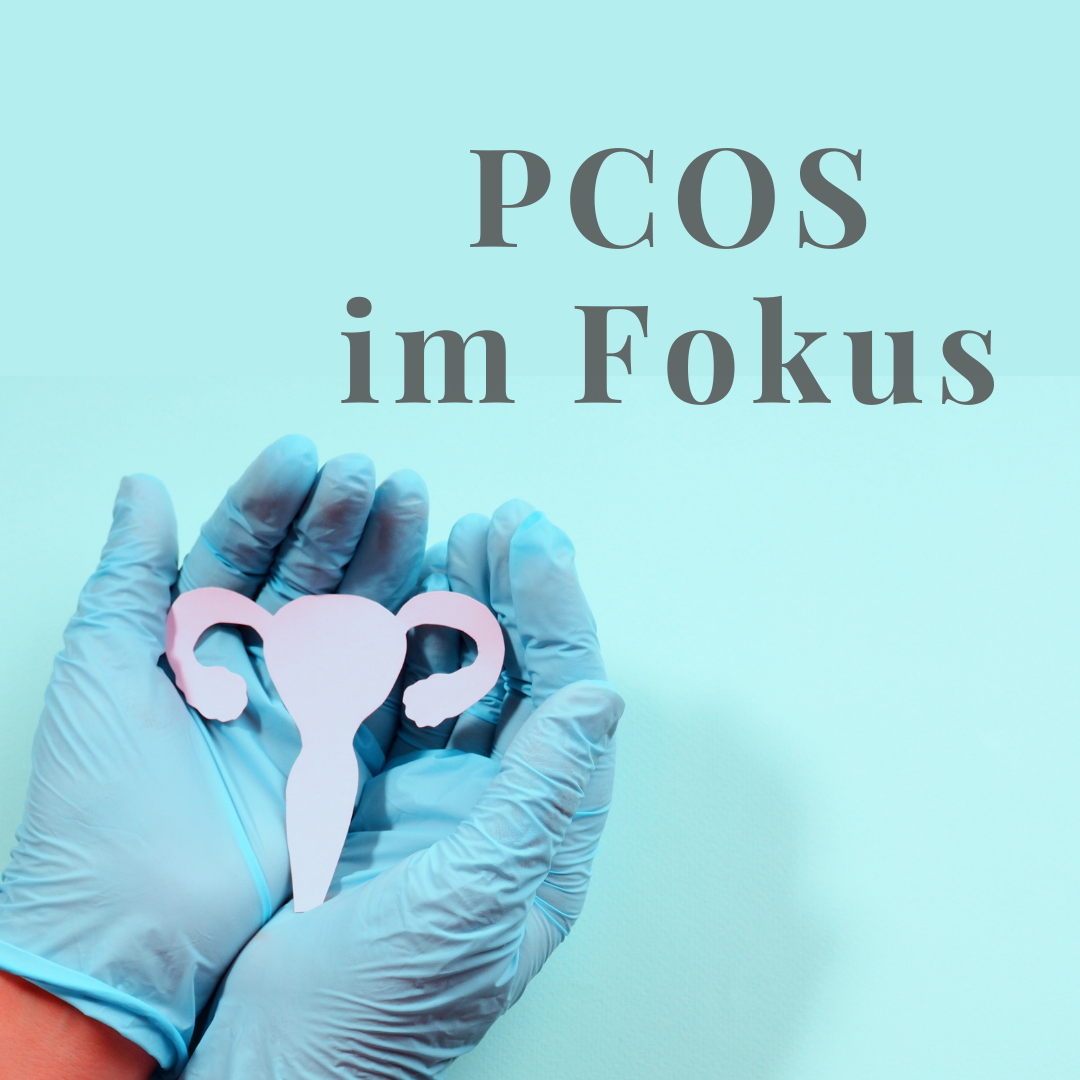
PCOS, or PCO syndrome, stands for polycystic ovary syndrome. This is a hormonal disorder that affects approximately 5-10% of women*. This makes PCOS the most common hormonal disorder for women* of childbearing age and also the most common cause of infertility.
What symptoms does PCOS show?

The diagnostic symptoms of PCO syndrome are elevated androgen levels (hyperandrogenism), chronic cycle disorders ranging from prolonged cycles (oligomenorrhea) to absent cycles (amenorrhea), as well as typically altered ovaries, which can be enlarged and show cysts.
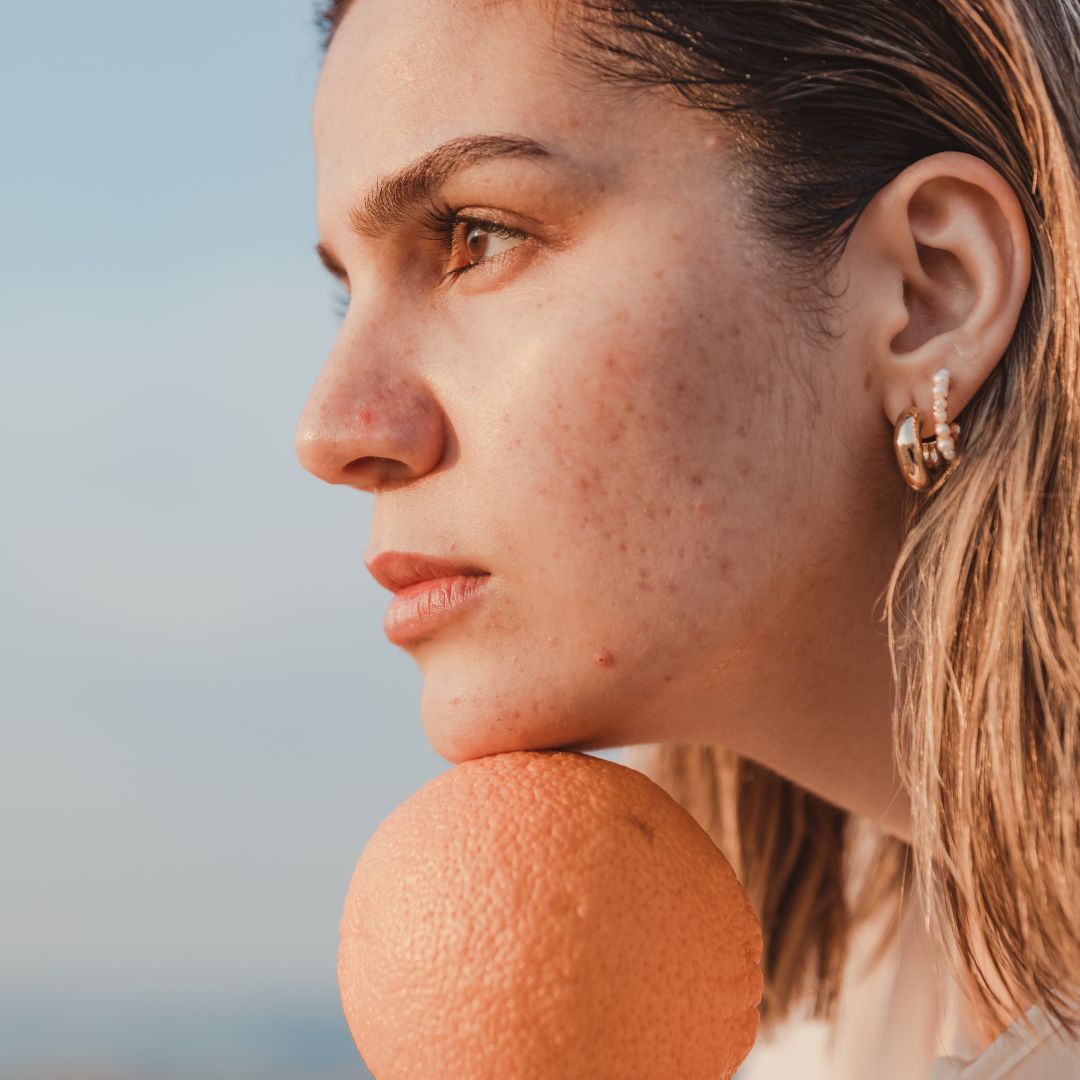
PCOS is also associated with a number of possible side effects and complications: mild to moderate overweight, elevated estrogen levels, abnormal hair growth, especially with a rather masculine* pattern (you can read all about hair growth and androgens here), insulin resistance, type 2 diabetes mellitus, lack of energy, depression, fatigue, and endometrial carcinoma. Even during puberty, abnormalities can be observed, such as primary amenorrhea, meaning the absence of menstruation into the late teens, abnormally strong body odor, and severe acne due to overactive adrenal glands. Pregnancies are either not possible due to the hormonal imbalance or are risky and require medical supervision.
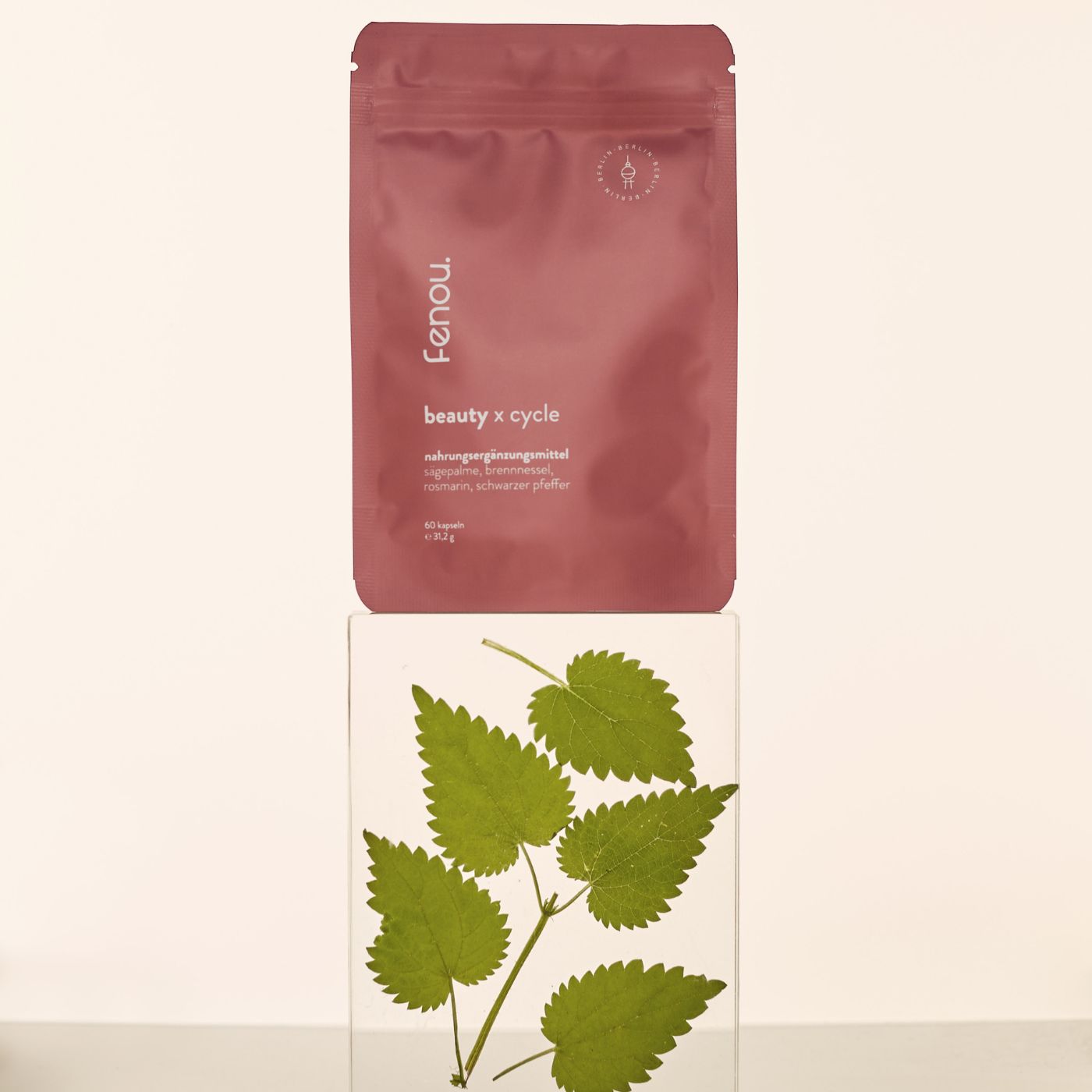
Our beauty product is, by the way, aimed at an elevated excess of testosterone. The formula is specially designed to regulate hormonal activity and contribute to a normal testosterone level. This can be very beneficial, especially with PCOS.
What are the causes of PCOS?
The causes of polycystic ovary syndrome are not conclusively clarified. It is clear that the main mechanism is a faulty interaction between LH and GnRH. Luteinizing hormone (LH) is produced by the adrenal glands and causes follicle maturation as well as the production of androgens. The impulse to produce LH occurs through the release of GnRH (Gonadotropin Releasing Hormone). In a healthy organism, the release of LH causes a reduction in the release of GnRH - a negative feedback loop, in other words. In PCOS, this feedback loop is missing, so too much GnRH and LH are released overall in a vicious cycle. This leads to an increased production of androgens, i.e., hormones that are largely responsible for the development of male-read characteristics.
How it even comes to too much LH being produced is partly unclear. One cause could be insulin resistance. This can be caused by overweight, especially in childhood. The body is forced to compensate for the insulin resistance of the body cells through an increased release of insulin. Insulin stimulates the production of androgens and thus sets the vicious cycle in motion. But since women* without overweight and insulin resistance also suffer from PCOS, there must be other mechanisms. Genetic factors and also endocrine disorders before puberty are strongly in focus here.
How is PCOS treated?
Polycystic ovary syndrome should be treated by a doctor, especially if pregnancy is desired. There are various hormone therapies available here, which can be planned with the gynecologist depending on the situation. In addition, symptoms are treated, i.e., attempts are made to alleviate the accompanying symptoms.
Fortunately, there are many options you can implement yourself to reduce the accompanying symptoms of PCO syndrome.

On the one hand, the liver is heavily burdened; patients with PCOS have an increased risk of developing NAFL (non-alcoholic fatty liver). So take good care of your liver and its health. You can find suggestions in our article on the liver and hormone excess.
Furthermore, you can counteract the estrogen excess with diet, stress management, and physical exercise (read here again very carefully). At the same time, you can also keep an eye out for possible endocrine disruptors in your daily life.
Physical exercise additionally helps you reduce any overweight and thus inhibit the cycle of overweight-insulin resistance.
As is so often the case, it is particularly valuable to change your diet. Long-chain carbohydrates, fiber, and minerals like magnesium help you counteract an increased release of insulin. Zinc-rich foods like nuts or whole grains support your skin health, while dark green leafy vegetables, which are rich in B vitamins, support various metabolic processes in the body.
You should avoid anything that puts stress on the body and additionally burdens both the liver and adrenal glands: refined sugar, alcohol, nicotine, fast food, animal fats, and also caffeine only in moderation.