


Post-Pill Acne: Why You Shouldn't Lower Your Testosterone
Have you stopped taking the pill and suddenly find yourself struggling with pimples, oily hair, or even hair loss? Then you're not alone! About one in five women experiences these frustrating symptoms after stopping hormonal contraception. What many don't know: turning to testosterone-lowering remedies like spearmint tea could even make the problem worse.
Post-Pill Syndrome: When Your Hormones Go Haywire
After years of taking the pill, your body is initially confused. The pill not only suppressed your natural hormone production but also massively increased a protein called SHBG (Sex Hormone Binding Globulin). This SHBG is like a transport vehicle for your hormones—it binds testosterone and makes it unusable for your body.
The problem: Even after stopping the pill, your SHBG remains elevated for months or even years. Studies show that it is still significantly above the normal range even after 6 months [1]!
The Fatal Vicious Cycle
Something fascinating—and frustrating—happens here:
- Your SHBG is still high → binds a lot of testosterone
- Little free testosterone available → your body thinks: "Oh no, testosterone deficiency!"
- Your body produces more testosterone → to compensate for the apparent deficiency
- Result: High total testosterone levels → but still little free, available testosterone
- Androgen rebound → acne, hair loss, oily skin
Your body means well, but the result is a hormonal mess. This also explains why your blood levels may appear "normal," yet you still suffer from androgenic symptoms.

Why Spearmint & Co. Make the Problem Worse
Many guides recommend testosterone-lowering remedies for post-pill acne, such as spearmint, nana mint, or green mint [2, 3].
This is a misconception! Your body is already fighting an apparent testosterone deficiency. If you now also artificially lower your testosterone:
✗ You exacerbate the deficiency of free testosterone even further
✗ Your body will try even more desperately to produce more
✗ You will develop other problems (fatigue, low mood, loss of libido)
✗ You are only fighting the symptoms, not the cause
The Clever Solution: Lower SHBG Instead of Testosterone
The key is to address the real problem: your elevated SHBG. If you normalize SHBG, your body can finally "see" again how much testosterone is actually available.
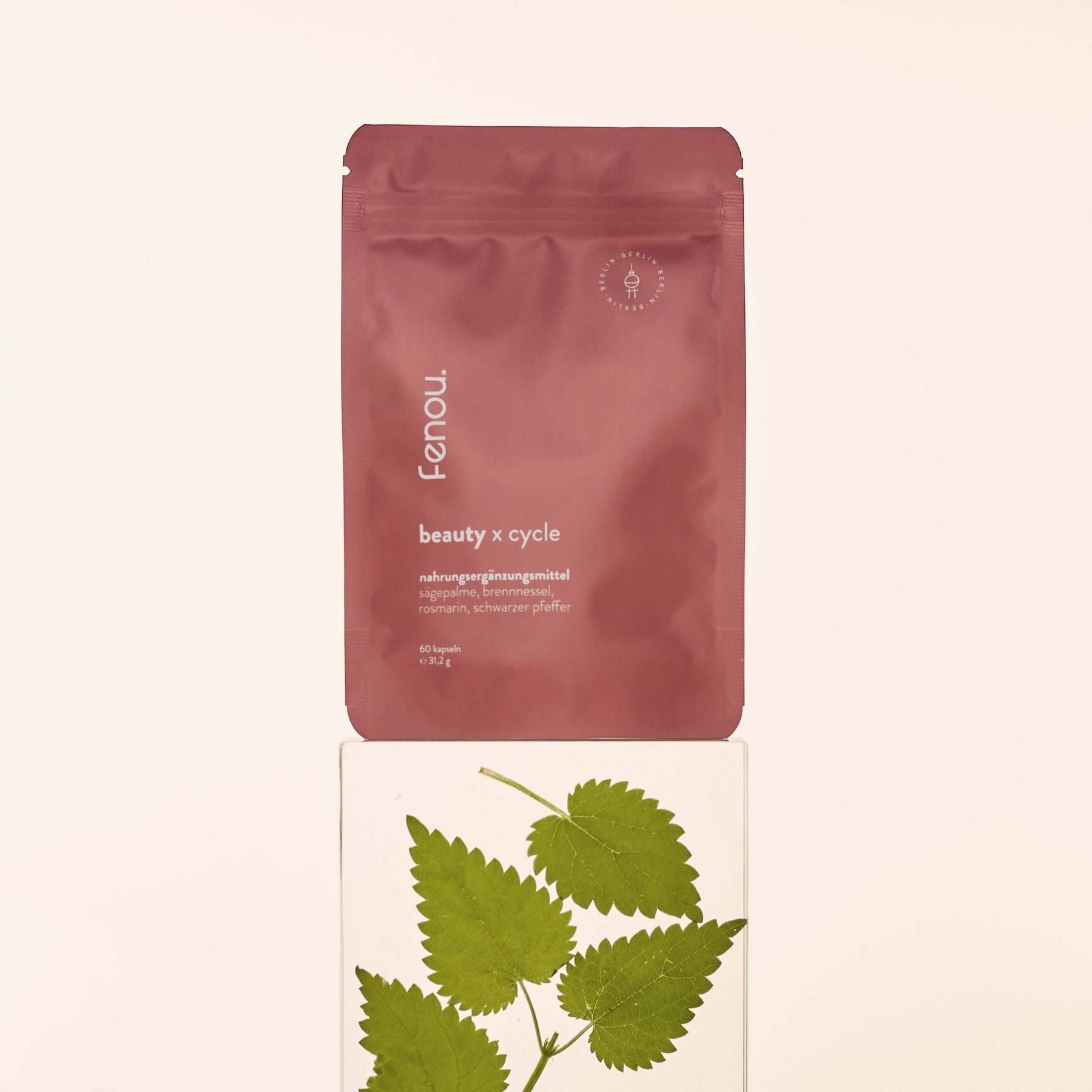
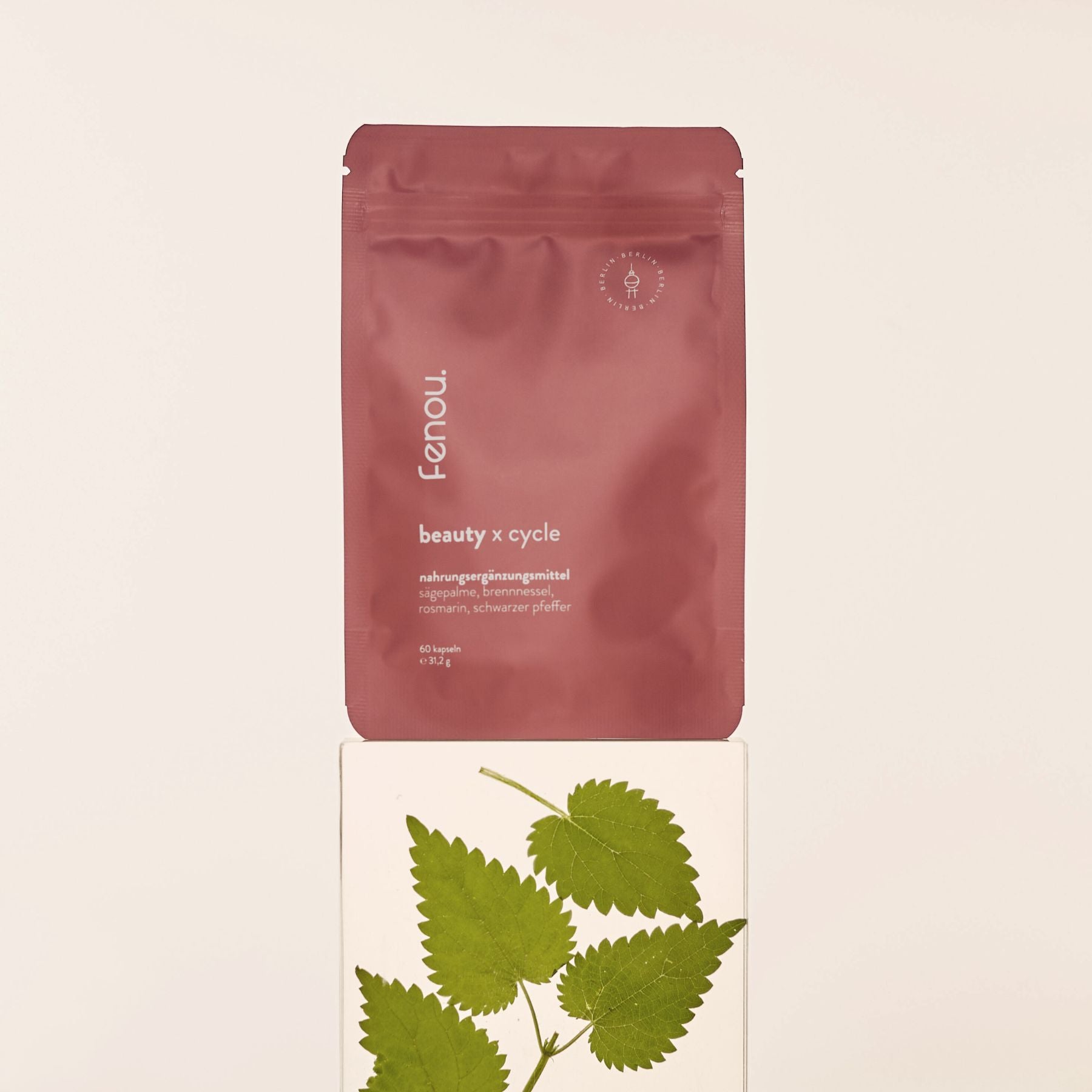
Nettle root does exactly that [4, 5]:
✓ Binds to SHBG and blocks it
✓ Makes more free testosterone available
✓ Your body registers: "Ah, there's enough testosterone!"
✓ Naturally reduces overproduction
✓ Additionally inhibits conversion to DHT (the "bad" androgen)

Practical Tips for Your Post-Pill Period
Phase 1-3 Months After Stopping:
- Nettle root extract: 240-600mg daily
- Be patient: Your body needs time to reorient
- SHBG-lowering factors: Healthy fats, sufficient calories, no extreme exercise
Phase 3-6 Months (Critical Period):
- Continue with nettle: This is often when the strongest rebound occurs
- Additional support: Zinc, vitamin D, omega-3
- In case of extreme symptoms: Only then consider short-term anti-androgens
Long-Term (6+ Months):
- Taper off slowly: Once everything has stabilized
- Check blood levels: Have free testosterone + SHBG measured
- Optimize lifestyle: Reduce stress, improve sleep
How Do You Know It's Working?
Positive Signs (After 2-4 Weeks):
- Fewer new, inflammatory pimples
- Hair becomes less greasy
- More energy and better mood
- Libido normalizes
If It Doesn't Get Better:
- Have your thyroid checked
- Check for nutrient deficiencies
- It may still be classic acne (not hormonal)

Conclusion: Work WITH Your Body, Not Against It
Your body is desperately trying to regain its hormonal balance after the pill. Instead of confusing it with further hormonal interventions, support it in finding its natural balance.
The Golden Rule: Normalize instead of suppressing!
Remember: Post-pill symptoms are almost always temporary. With the right strategy, you help your body regain its balance faster—and in a way that is healthier for you in the long term.
Important Note: This article is not a substitute for medical advice. If symptoms persist or are very severe, you should always consult a doctor, ideally one specializing in hormone medicine.